

A Home Mechanic's Guide to the 1987 GMC V2500 Universal Joint
Don't let a clunking or vibrating driveshaft sideline your classic GMC workhorse.
- A clunk when shifting or a vibration at speed are the most common signs of a failing U-joint on your V2500.
- For this heavy-duty truck, premium brands like Dana Spicer or SKF are highly recommended for their strength and durability.
- Non-greasable (sealed) U-joints are generally stronger and lower maintenance than greasable versions.
- Measure your old U-joint's cap diameter and width before ordering, as multiple sizes were used on these trucks.
Is Your V2500's U-Joint Failing?
A bad U-joint gives clear warning signs. Because a complete failure can cause the driveshaft to separate from the truck, potentially causing major damage, it's important to address these symptoms early. Listen and feel for these common signs:
- Loud Clunking Noises: A distinct "clunk" or "bang" when you shift from Park into Drive or Reverse is a classic symptom. This is caused by excessive play in the worn-out joint.
- Vibrations While Driving: A vibration that starts at higher speeds and is felt throughout the truck can point to a failing U-joint. This is often confused with an out-of-balance tire, but it's caused by the driveshaft being thrown off balance.
- Squeaking or Chirping: A rhythmic squeak that increases with your speed often means the U-joint has lost its grease and is running dry. This sound comes from metal-on-metal friction as the needle bearings inside the caps fail.
- Visible Rust or Dryness: If you look under the truck at the driveshaft, you may see rust-colored dust around the U-joint caps. This is a sign that moisture has gotten in and the internal bearings are turning to dust.
Choosing the Right Aftermarket U-Joint
For a heavy-duty truck like the 1987 V2500, the quality of your replacement U-joint matters. While OEM parts are an option, the aftermarket offers a range of quality tiers that often meet or exceed original specifications. The general consensus among truck owners is to invest in a quality brand to avoid doing the job twice.
Aftermarket Brand Tiers
| Tier | Brands | Description |
|---|---|---|
| Premium | Dana Spicer, SKF, Moog (premium lines) | Dana Spicer is often the original equipment manufacturer and is widely considered the top choice for durability and strength. SKF is another highly respected brand known for quality bearings. These brands are trusted for heavy use and longevity. Non-greasable (sealed) joints from these brands are often preferred as they are stronger and less maintenance-intensive. |
| Specialty / Performance | Yukon Gear & Axle | Yukon Gear is known for its driveline and axle components, often geared toward off-road and high-performance applications. These are a solid choice if you use your V2500 for heavy towing, hauling, or off-roading. |
| Standard / Value | GMB, Moog (standard lines) | GMB and standard Moog parts are generally seen as reliable replacements for daily driving. While Moog's quality has received mixed reviews in recent years, their premium lines are still well-regarded. These are a good balance of price and performance for standard use. |
Greasable vs. Non-Greasable (Sealed)
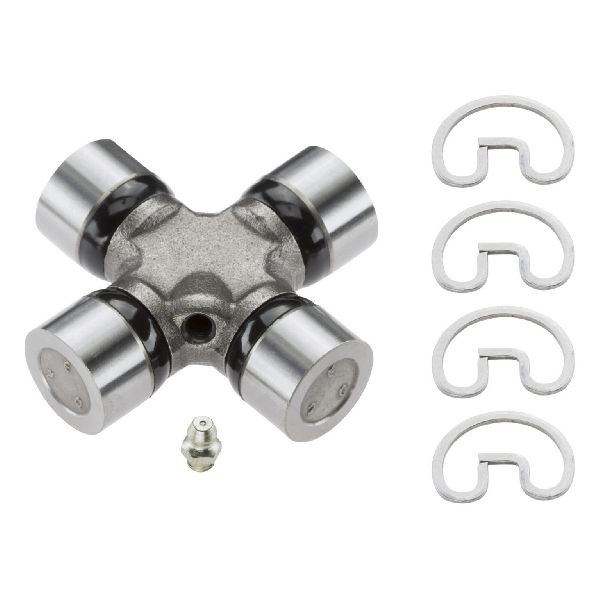
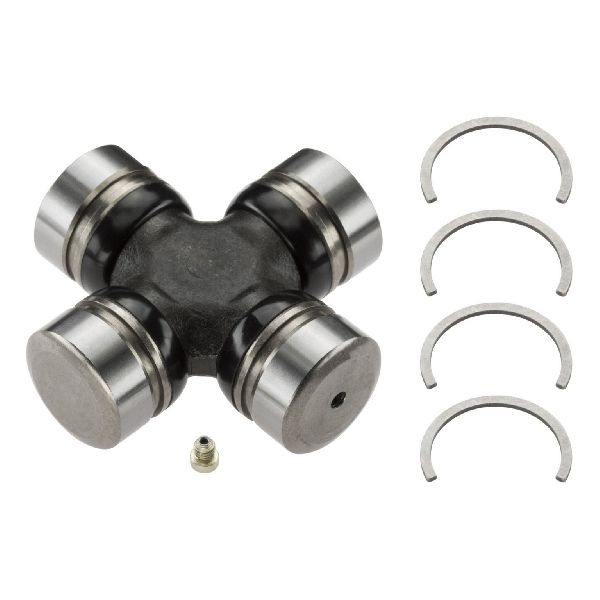
You will find both greasable (with a zerk fitting) and non-greasable (sealed for life) U-joints. While greasable joints sound better, many experts and OEMs prefer sealed joints. Sealed joints are stronger because the cross isn't hollowed out for a grease channel. They also last a very long time without needing maintenance, as long as the seals remain intact. Greasable joints are only effective if you grease them regularly with the correct lubricant.
Known Issues, Recalls, or TSBs
Searches for official recalls and Technical Service Bulletins (TSBs) for the 1987 GMC V2500 specifically related to universal joints did not yield any results. The vehicle's age means most issues are now related to normal wear and tear rather than manufacturing defects covered by recalls. However, a TSB for newer GM trucks (22-NA-066) notes that popping or clicking noises can be caused by movement of the U-joint caps in the yoke, which is resolved by applying a specific lubricant. While not specific to the 1987 model, it highlights a common source of U-joint noise.
Frequently Asked Questions (FAQ)
How many U-joints does my 1987 V2500 have?
The exact number depends on your truck's configuration (2WD vs 4WD, wheelbase). A typical 2WD model has two or three U-joints on the rear driveshaft. A 4WD model will have those, plus additional U-joints on the front driveshaft and potentially in the front axle shafts for steering. It's best to inspect your truck to confirm the exact number and types you need.
What is the most common mistake when ordering?
The most common mistake is getting the wrong size. GM used several different U-joint sizes on these trucks depending on the transmission, rear axle, and 2WD/4WD configuration. It is highly recommended that you measure the cap diameter and the overall width of your old U-joint before ordering a replacement to ensure a perfect fit.
Can I replace just one bad U-joint?
Yes, you can replace only the failing joint. However, the saying "while you're in there" applies here. If one U-joint has failed due to age and mileage, the others are likely not far behind. Replacing all the U-joints on a driveshaft at the same time is a good preventative measure and saves you from having to pull the driveshaft again in the near future.
What tools do I need to replace a U-joint?
Replacing a U-joint requires more than basic hand tools. You will need sockets and a wrench to remove the driveshaft, but the U-joint itself is pressed into the driveshaft yoke. You will need a heavy-duty bench vise and a combination of sockets, or a dedicated ball joint/U-joint press tool to push the old joint out and press the new one in. Some original GM joints were held in with plastic injections that must be melted out with a torch.
Technical Specifications
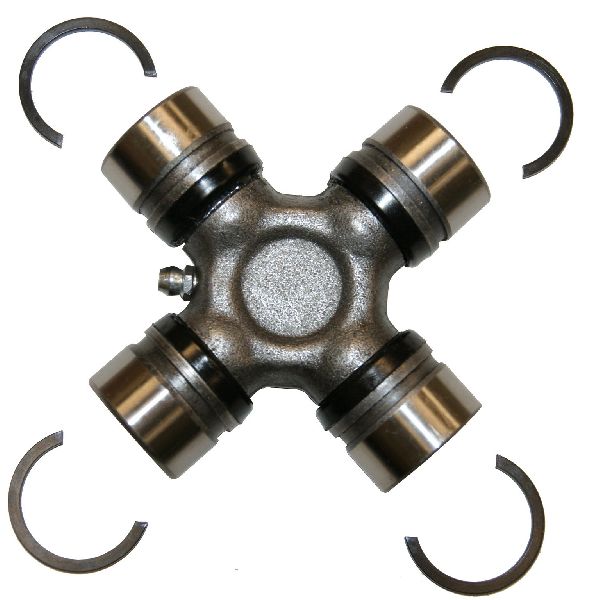
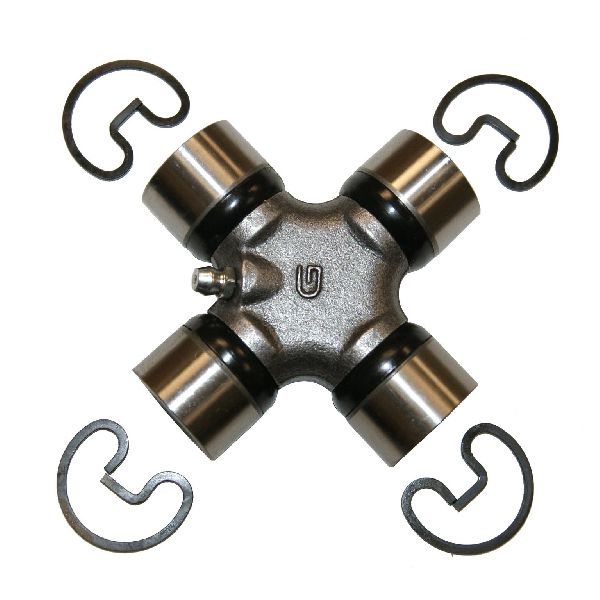
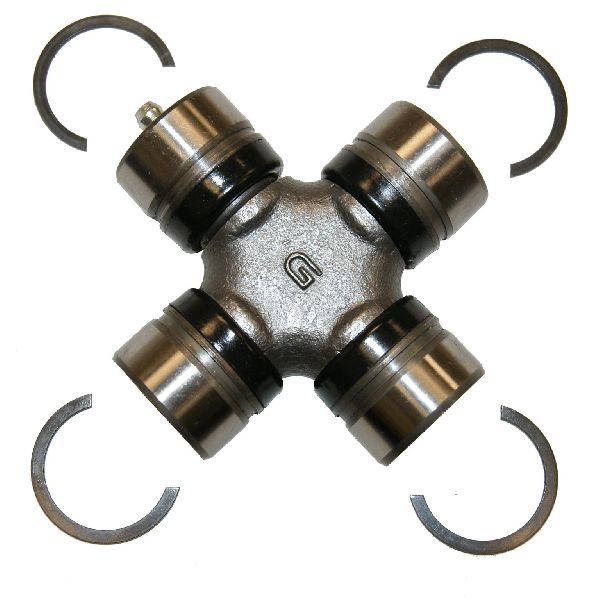
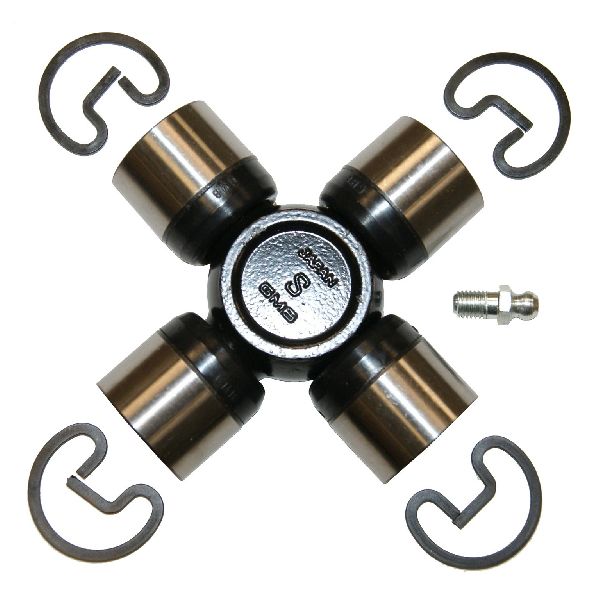
U-joint sizes vary based on the truck's specific configuration (driveshaft, axle shafts, 2WD/4WD). Common styles include those with inside 'C' clips or outside snap rings. Measurement of the original part is critical for correct replacement.
We Have This Part in Stock

The information in this article is provided for general reference and educational purposes only. Vehicle specifications, procedures, and part compatibility can vary by production date, trim level, and region. Always consult your vehicle's factory service manual and verify part numbers before purchasing or performing repairs. Safety-critical components such as airbags, seat belts, and braking systems should be installed by a qualified professional.
- GMC V2500: