

A Guide to Replacing the Distributor in Your 1987-1988 Chevrolet R20
If your classic Chevy R20 is running rough, misfiring, or won't start, a failing distributor could be the problem.
- A complete aftermarket distributor is often a better value and more reliable fix than replacing individual worn parts like the cap, rotor, and module.
- Symptoms like misfiring, hard starting, and stalling are common indicators of a failing distributor on these trucks.
- You must set the engine timing with a timing light after installation to ensure proper engine performance.
- Choose between OEM-style replacements for stock reliability or performance brands like MSD and Accel for an upgraded spark.
Is Your R20 Running Rough? It Could Be the Distributor.
A bad distributor is a common reason for engine problems in older GM trucks. The internal parts, like the ignition module, pickup coil, cap, and rotor, can wear out over time. This leads to a weak or inconsistent spark, causing issues that can range from annoying to leaving you stranded. Because these trucks use a reliable but aging HEI system, a complete new distributor is often a simpler and more effective fix than replacing individual parts.
Common Symptoms of a Failing Distributor
- Engine Misfires: The truck may shake or stumble, especially when you accelerate.
- Rough Idle: Your R20 might idle unevenly or feel like it's about to stall.
- Hard Starting or No Start: The engine may crank but struggle to fire up, or not start at all. This can be intermittent.
- Stalling: The engine might die unexpectedly, sometimes after it has warmed up.
- Backfiring: An incorrect spark timing can cause the engine to backfire.
- Loss of Power: You may notice the truck feels sluggish and doesn't accelerate as it should.
Choosing the Right Aftermarket Distributor
For a 1987-1988 R20, finding a new OEM GM distributor is highly unlikely. The aftermarket is your best source for a replacement. The good news is that many high-quality options are available, from direct-fit replacements to performance upgrades. These are typically sold as complete, ready-to-install units with a new cap, rotor, and ignition module.
Brand Tiers for Your R20
When shopping, you'll find brands that fall into a few different categories:
Performance & Upgrade Brands (MSD, Accel, Pertronix, FAST)
These brands are for owners looking to get more performance and reliability from their engine. They often feature stronger coils for a hotter spark, more durable components, and sometimes offer adjustability for the timing curve. Brands like MSD are well-regarded for quality and performance in classic Chevy trucks. Pertronix and Accel also offer popular HEI units that are considered a good step up from stock. Keep in mind that some budget-oriented performance lines, like MSD's Street Fire, have mixed reviews, with some users experiencing issues with timing stability or module failure.
OEM-Style Replacement Brands (Cardone, WAI Global, Replacement)
These brands focus on providing a direct replacement that meets or exceeds original factory specifications. They are a great choice if you just want to get your truck back on the road with reliable, stock-level performance. WAI Global and the "Replacement" brand offer 100% new units, which eliminates concerns about worn core parts. Cardone offers both new and remanufactured distributors; while generally reliable, some users report issues with the included ignition modules on their budget lines, sometimes swapping them for a higher-quality part to solve problems.
| Part Tier | Typical Price Range | Best For |
|---|---|---|
| Performance Upgrade (MSD, Accel, Pertronix) |
$250 - $620 | Owners wanting improved spark, reliability, and performance for stock or modified engines. |
| OEM-Style Replacement (Cardone, WAI Global, Replacement) |
$135 - $250 | Daily drivers and owners seeking a reliable, cost-effective, direct-fit solution. |
Pro Tip: Check the Distributor Gear
Your R20's engine has a specific camshaft type (likely a hydraulic roller or flat-tappet). The gear on the bottom of the distributor must be made of a compatible material to avoid premature wear. Most aftermarket distributors for this era come with a melonized steel gear, which is compatible with both types of cams, but it's always wise to confirm.
Frequently Asked Questions
Do I need to replace the whole distributor or just the cap and rotor?
While a bad cap and rotor are very common failure points, the electronic components inside the distributor (the ignition module and pickup coil) also fail, causing similar symptoms. Given the age of the vehicle and the affordable price of complete new aftermarket units, replacing the entire distributor is often the most reliable long-term repair.
Is installing a new distributor a difficult job?
For someone with basic mechanical experience, it's a manageable job. The process involves removing the air cleaner, labeling and removing spark plug wires, marking the rotor's position, unbolting the old distributor, and carefully installing the new one. The most critical step is ensuring the new distributor is installed in the same position and that the engine timing is set correctly with a timing light afterward.
What is an HEI distributor?
HEI stands for High Energy Ignition. It's an electronic ignition system GM introduced that integrates the ignition coil into the distributor cap, creating a simple, powerful, and reliable setup compared to older points-style systems. It provides a stronger spark, which helps with starting and engine performance.
Do I need to set the engine timing after replacing the distributor?
Yes, this is a critical step. Even if you mark the old distributor's position, slight variations in the new part mean you must check and adjust the ignition timing with a timing light. Incorrect timing can cause poor performance, bad fuel economy, and even engine damage.
Technical Specifications
OEM Part Numbers: 1103698 1103749 1103791 1103827 1103838
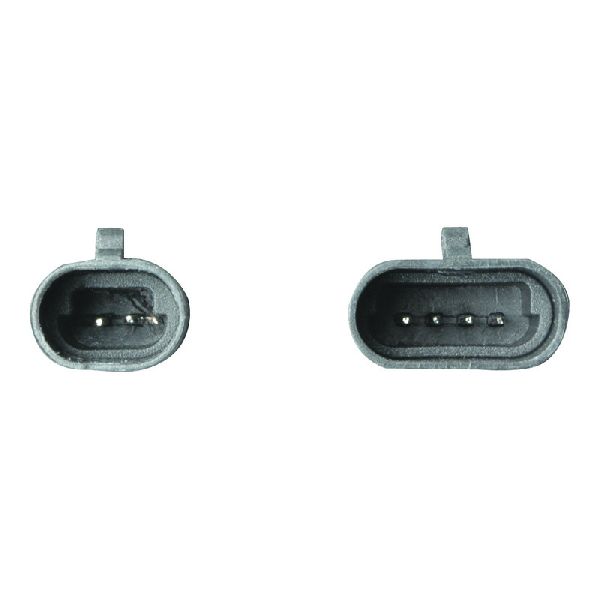
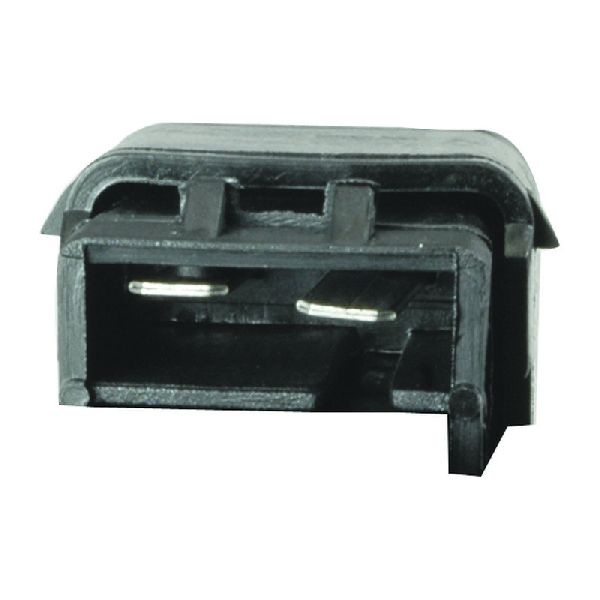
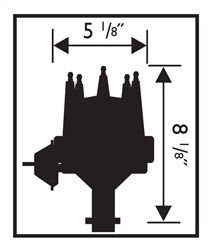
The 1987-1988 R20 with a V8 engine uses a large-cap HEI (High Energy Ignition) style distributor with an internal coil and a 4-pin ignition module. It features both mechanical and vacuum advance mechanisms. The distributor gear should be melonized steel to be compatible with the factory camshaft.
We Have This Part in Stock

The information in this article is provided for general reference and educational purposes only. Vehicle specifications, procedures, and part compatibility can vary by production date, trim level, and region. Always consult your vehicle's factory service manual and verify part numbers before purchasing or performing repairs. Safety-critical components such as airbags, seat belts, and braking systems should be installed by a qualified professional.
- Chevrolet R20: