

Choosing the Right Distributor Cap for Your 1987-1988 Chevrolet R30
Solve common engine misfires, rough idling, and hard starting by understanding this critical ignition part.
- A bad distributor cap is a very common cause of misfires, rough idle, and hard starting on the 1987-1988 Chevrolet R30.
- Always choose a replacement cap with solid brass terminals for better performance and a longer lifespan.
- The distributor rotor should always be replaced at the same time as the cap; they are typically sold as a kit.
- Carefully label or transfer spark plug wires one by one to ensure the firing order remains correct when installing the new cap.
Is Your R30 Running Rough? It Could Be the Distributor Cap
If your 1987-1988 Chevrolet R30 is experiencing engine misfires, a rough idle, or has trouble starting, a worn-out distributor cap is a likely suspect. This part is a normal wear-and-tear item that plays a critical role in your truck's ignition system. Over time, the metal terminals inside the cap corrode or wear down, and the plastic can crack, leading to poor engine performance. Because this is a common issue on older GM trucks, inspecting the distributor cap and rotor is a great first step in troubleshooting these symptoms.
Symptoms of a Failing Distributor Cap
A bad distributor cap can cause a variety of problems. You might notice one or more of these signs:
- Engine Misfires: The engine may shake or stumble, especially under acceleration. This happens when spark fails to reach a cylinder correctly.
- Rough Idle: The truck may idle unevenly or feel like it's about to stall when stopped.
- Hard Starting: It might take longer than usual for the engine to turn over and start, or it may crank but not fire. This can be worse in cold or damp weather.
- Stalling: The engine may stall unexpectedly, sometimes after running for a while.
- Check Engine Light: On some models, a persistent misfire can trigger the check engine light.
Visual Inspection is Key
You can often diagnose a bad cap visually. Unlatch the two clips or remove the screws holding the cap to the distributor. Look inside for white or greenish corrosion on the metal terminals, cracks in the plastic, or thin black lines that look like pencil marks (this is called carbon tracking). If you see any of these, the cap needs to be replaced.
Choosing the Right Aftermarket Cap
For a workhorse truck like the R30, reliability is key. When choosing an aftermarket distributor cap, the main difference comes down to the material of the electrical contacts (terminals) inside.
Brand Tiers & Quality
- Performance (MSD): MSD is a well-known performance brand. Their caps are often built with high-quality materials designed for high-output ignition systems. While effective, they can be more expensive and are generally overkill for a stock engine. Some users report no noticeable difference over premium stock-style replacements for daily driving.
- Premium Aftermarket (Delphi, Standard Ignition): Both Delphi and Standard Ignition (often sold as Standard or Blue Streak) are highly respected brands that often supply original parts to manufacturers. They are known for producing parts that meet or exceed OEM quality. These brands often feature caps with solid brass terminals, which resist corrosion better and conduct electricity more effectively than the cheaper aluminum terminals found on budget parts. This is the recommended tier for most owners looking for a long-lasting, reliable repair.
- Standard Aftermarket (Walker Products): Walker is a known aftermarket manufacturer that provides a budget-friendly alternative. Quality can be more variable compared to premium brands, but they offer a functional replacement for a lower cost. For a truck that needs to be dependable, investing a few extra dollars in a premium cap with brass terminals is often worthwhile.
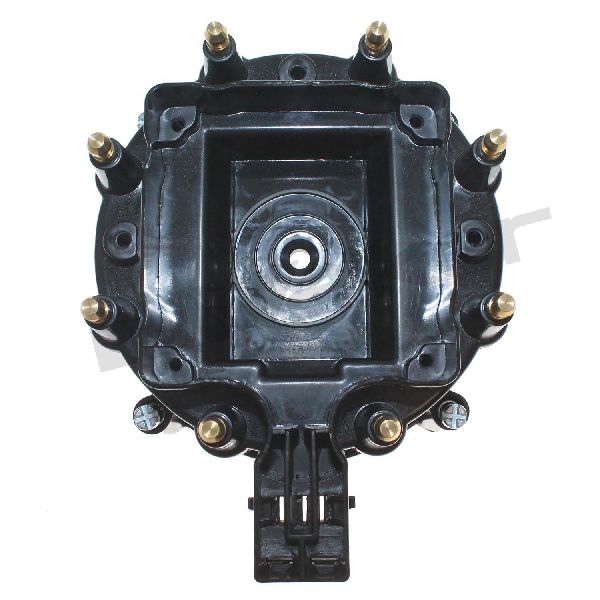
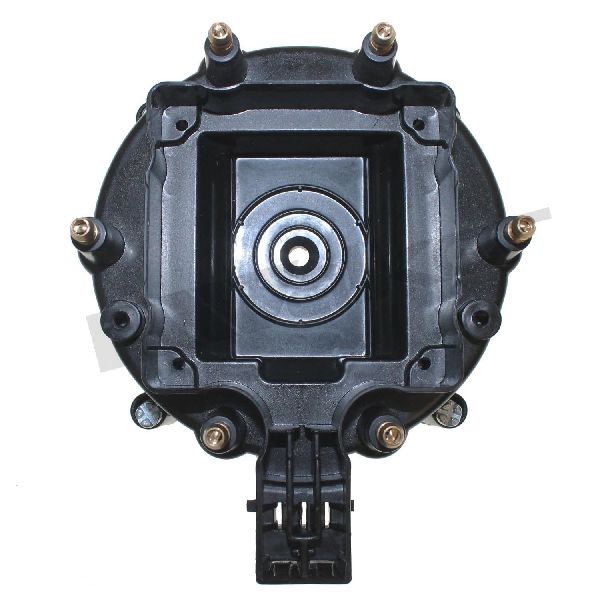
Pro Tip: Brass vs. Aluminum Terminals. Always choose a distributor cap with solid brass terminals. They offer better conductivity and are far more resistant to corrosion than aluminum terminals. This ensures a stronger, more consistent spark and a longer service life for the part.
Cost to Replace a Distributor Cap on a 1987-1988 Chevrolet R30
| Part/Service | Estimated Cost |
|---|---|
| New Aftermarket Distributor Cap & Rotor Kit | $19 - $41 |
| Shop Labor | $50 - $100 |
| Total Estimated Cost (DIY) | $19 - $41 |
| Total Estimated Cost (Installed) | $69 - $141 |
Pricing is an estimate and may vary based on location, brand, and vehicle condition. The provided aftermarket price range is based on available inventory.
Frequently Asked Questions (FAQ)
Should I replace the rotor with the cap?
Yes, always. The distributor rotor spins inside the cap and wears at the same rate. A worn rotor tip increases the gap the spark must jump, leading to a weak spark. Quality replacement caps are almost always sold in a kit with a new rotor.
Do I need special tools to replace the distributor cap?
No. A basic screwdriver or a small socket set is usually all that's needed to remove the two screws or clips holding the cap in place. Taking a photo with your phone or labeling the spark plug wires with tape before you start is highly recommended.
What is the most common mistake when replacing a distributor cap?
Mixing up the spark plug wires. Each wire must go back to the correct terminal on the new cap to maintain the engine's firing order. The easiest way to avoid this is to transfer the wires one at a time from the old cap to the new cap in the exact same position.
How often should I replace the distributor cap?
As a preventative measure, it's a good idea to inspect the cap and rotor during every major tune-up and replace them every 30,000 to 50,000 miles, or whenever they show signs of wear like corrosion or carbon tracking.
Are there any recalls for the 1987-1988 R30 distributor cap?
No. A search of the National Highway Traffic Safety Administration (NHTSA) database shows no recalls or specific investigations related to the distributor cap for the 1987-1988 Chevrolet R30.
Technical Specifications
OEM Part Numbers: 10452459 D328A D329A
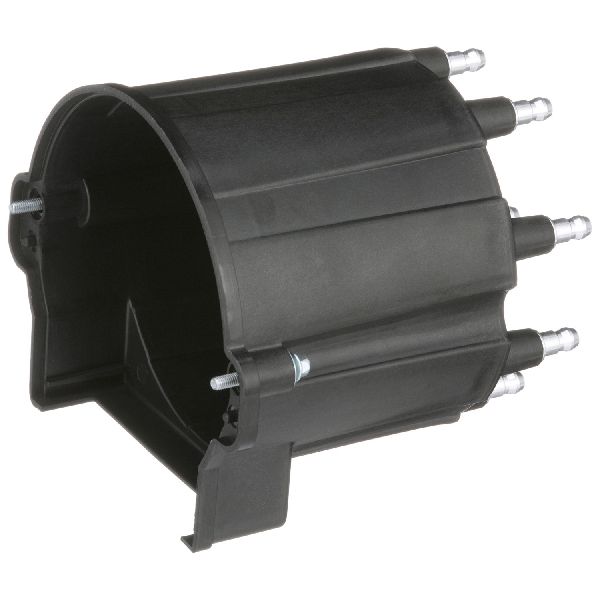
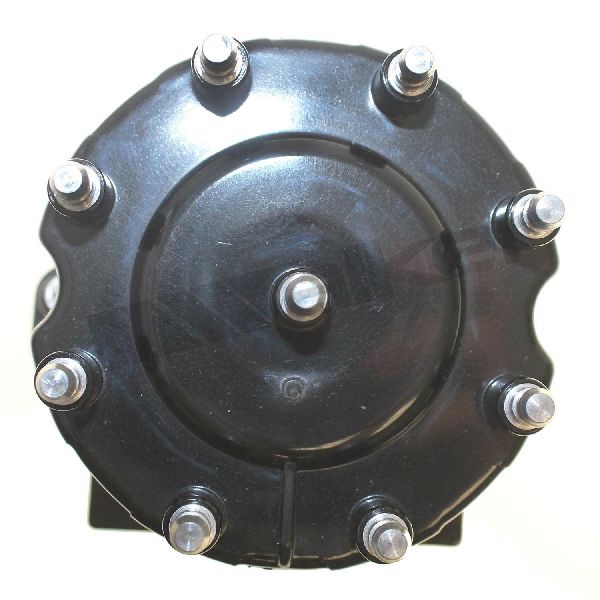
The 1987-1988 Chevrolet R30 with a V8 engine uses a large-diameter High Energy Ignition (HEI) style distributor cap with male (post) type terminals. The cap is secured by two screws.
We Have This Part in Stock


The information in this article is provided for general reference and educational purposes only. Vehicle specifications, procedures, and part compatibility can vary by production date, trim level, and region. Always consult your vehicle's factory service manual and verify part numbers before purchasing or performing repairs. Safety-critical components such as airbags, seat belts, and braking systems should be installed by a qualified professional.
- Chevrolet R30:
- 🛍️ Shop This Part
- Is Your R30 Running Rough? It Could Be the Distributor Cap
- Symptoms of a Failing Distributor Cap
- Visual Inspection is Key
- Choosing the Right Aftermarket Cap
- Brand Tiers & Quality
- Cost to Replace a Distributor Cap on a 1987-1988 Chevrolet R30
- Frequently Asked Questions (FAQ)
- 🎟️ Get 5% Off