

Engine Coolant Temperature Sensor Guide for the 1987-1988 Chevrolet R30
Fixing poor fuel economy and rough running in your classic Chevy truck often starts with this simple, affordable sensor.
- A failing ECT sensor is a common cause of running rich, poor MPG, and black smoke on a TBI-equipped R30.
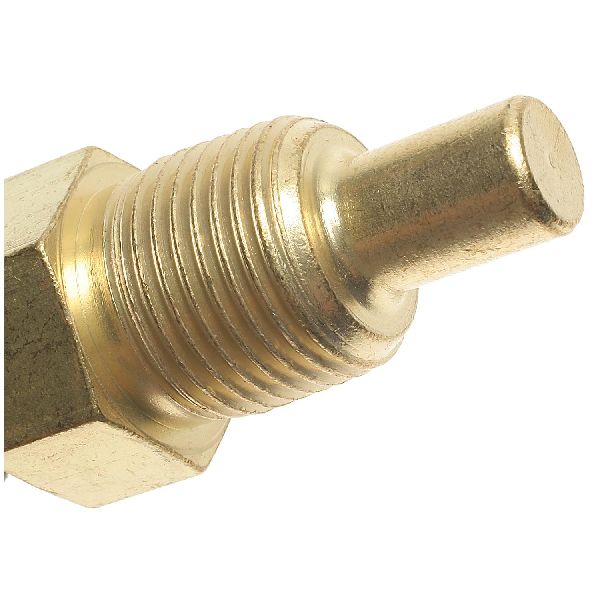
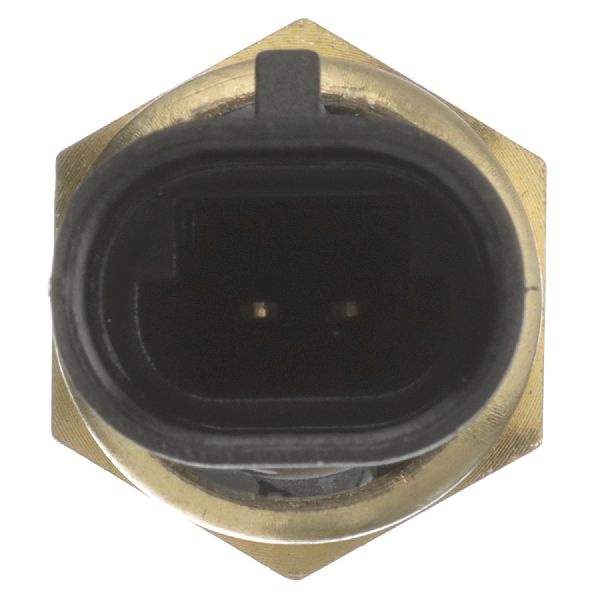
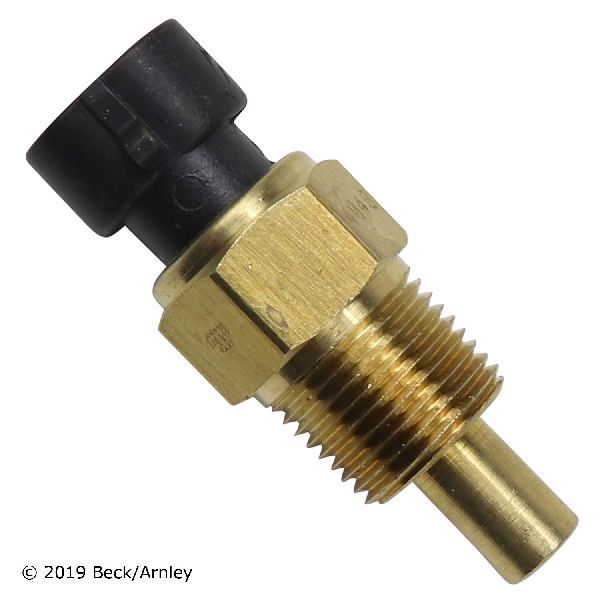
- This is a two-wire sensor for the computer, not the single-wire sender for the dashboard gauge.
- Replacement is a simple DIY job that takes less than 30 minutes with basic tools.
- Choosing a quality aftermarket brand like Delphi, NGK, or Standard Ignition is recommended over the cheapest options.
Is a Failing Coolant Temperature Sensor Hurting Your R30?
For a 1987-1988 Chevrolet R30 with a throttle-body injection (TBI) system, the Engine Coolant Temperature (ECT) sensor is more than just a simple gauge sender. It's a key input for the engine's computer. A bad sensor can trick the computer into thinking the engine is always cold, leading to a rich fuel mixture. This causes a cascade of problems that hurt performance, waste fuel, and can even cause other parts to fail over time.
Symptoms of a Bad ECT Sensor
- Poor Fuel Economy: If the ECM thinks the engine is cold, it will constantly dump extra fuel, causing your truck to run rich and get terrible gas mileage. Average MPG for a 1988 R30 with the 5.7L V8 is already low, around 8-9 MPG, so a bad sensor can make it even worse.
- Black Smoke from Exhaust: A clear sign of a rich fuel condition is black smoke coming from the tailpipe, especially once the engine is warm.
- Rough Idle: The engine may idle roughly or stall, particularly after it has warmed up to operating temperature.
- Check Engine Light: On these OBD-I trucks, a failing ECT sensor can trigger a "Service Engine Soon" light. Common codes are 14 (high temp indicated) and 15 (low temp indicated). Code 15 is very common for a failed sensor or broken wire, as the computer sees an impossibly low temperature.
- Hard Starting When Warm: The engine might be difficult to restart after it has been running for a while because the ECM is providing a cold-start fuel mixture to a warm engine.
Don't Confuse the Sensors!
Your R30 has two temperature sensors. The one for the ECM is the Engine Coolant Temperature Sensor. It has a two-wire connector and is usually located on the front of the intake manifold, near the thermostat housing. The other sensor is the Temperature Sender for the gauge on your dashboard. It has only one wire and is typically located on the driver's side cylinder head. Replacing the wrong one will not fix your engine problems.
Choosing the Right Aftermarket ECT Sensor
For a vehicle of this age, a high-quality aftermarket sensor is a perfectly good choice and often more readily available than an OEM part. However, quality can vary. It's best to avoid the absolute cheapest options, as a bad sensor can cause more headaches than the few dollars you save. The connector terminals and internal resistor must be made to proper specifications to send the correct signal.
- Top Tier (OEM Quality): Brands like Delphi and NGK are often original equipment suppliers for GM and are known for their quality and reliability. Standard Ignition (Standard Motor Products) is a highly respected aftermarket brand that produces parts meeting or exceeding OE specs.
- Reliable Mid-Tier: Brands like Hella, Beck Arnley, and Four Seasons offer a good balance of price and quality. They are generally dependable for applications like this.
- Budget-Friendly: Brands like Global Parts, True Tech, and Motorad are more budget-oriented. While they can work, they may not have the same long-term durability or precise calibration as higher-tier brands. For a critical sensor like the ECT, it's often worth spending a few extra dollars for a better-known brand.
Pro Tip: When you replace the sensor, it's a good idea to apply a small amount of dielectric grease to the connector pins. This helps prevent corrosion and ensures a good electrical connection. Also, be prepared for a small amount of coolant to spill out when you remove the old sensor. Have the new sensor ready to thread in quickly to minimize the loss.
Cost of Replacing an ECT Sensor on a 1987-1988 Chevrolet R30
| Part/Service | Estimated Cost |
|---|---|
| New Aftermarket ECT Sensor | $12 - $38 |
| Shop Labor | $50 - $100 |
| Total DIY Cost | $12 - $38 |
| Total Shop Cost | $62 - $138 |
Frequently Asked Questions
Where is the ECT sensor located on my R30?
The ECT sensor for the computer is located on the front of the intake manifold, typically right next to the thermostat housing. It has a two-wire electrical connector (usually with a yellow and a black wire). Do not confuse it with the single-wire sender for the dash gauge, which is on the cylinder head.
Can I test my old ECT sensor?
Yes. You can test the sensor with a multimeter set to measure resistance (ohms). The resistance should be high when the engine is cold (around 3,400 ohms at 68°F/20°C) and drop significantly as the engine warms up (around 250 ohms at 212°F/100°C). A sensor that is open (infinite resistance) or shorted (zero resistance) is bad.
What happens if I don't replace a bad ECT sensor?
Continuing to drive with a bad ECT sensor will cause persistently poor fuel economy, which costs you money. The rich fuel mixture can also foul your spark plugs and oxygen sensor over time, leading to more expensive repairs. In severe cases, it can contribute to premature wear on the catalytic converter.
Are there any recalls for this part?
There are no specific recalls or technical service bulletins (TSBs) found for the engine coolant temperature sensor on the 1987-1988 Chevrolet R30. Any issues are related to normal wear and tear for a part of this age.
How do I read the trouble codes on my truck?
These trucks use an OBD-I system. You can read the codes without a scanner by using a paperclip or jumper wire to connect the 'A' and 'B' terminals on the diagnostic port under the dashboard. When you turn the ignition to the 'On' position (without starting the engine), the 'Service Engine Soon' light will flash the codes. It will flash code 12 three times, followed by any stored trouble codes three times.
Technical Specifications
OEM Part Numbers: 1513321 19187357
Thread Size: 3/8" NPT, Connector: 2-pin
We Have This Part in Stock



The information in this article is provided for general reference and educational purposes only. Vehicle specifications, procedures, and part compatibility can vary by production date, trim level, and region. Always consult your vehicle's factory service manual and verify part numbers before purchasing or performing repairs. Safety-critical components such as airbags, seat belts, and braking systems should be installed by a qualified professional.
- Chevrolet R30: