

Engine Coolant Temperature Sensor Guide for the 1987-1988 Chevrolet V30
Fix your V30's rough idle, poor fuel economy, and stalling by understanding and replacing the right coolant sensor.
- This guide is for the two-wire sensor for the computer, not the single-wire sender for the dash gauge.
- Symptoms of failure include running rich (bad gas mileage, black smoke), rough idle, and stalling.
- Replacement is an easy DIY job that takes less than 30 minutes with a basic socket wrench.
- Choose a reputable aftermarket brand like Delphi, NGK, or Standard Ignition to ensure accuracy and longevity.
Is Your 1987-1988 V30 Running Rough? Check the Coolant Sensor.
If your Chevrolet V30 is idling poorly, stalling after it warms up, or using way too much gas, a bad Engine Coolant Temperature (ECT) sensor could be the culprit. This small, inexpensive sensor plays a huge role in how your TBI (Throttle Body Injection) engine runs. It tells the engine's computer how hot or cold the engine is, which affects everything from fuel delivery to timing. Replacing it is a simple job that most owners can do themselves.
Don't Confuse the Sensor with the Sender!
Your V30 has two temperature units. It's critical to know the difference before you buy:
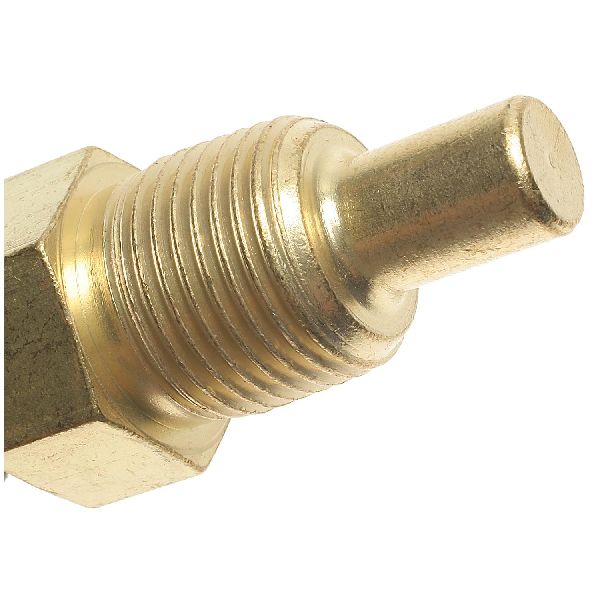
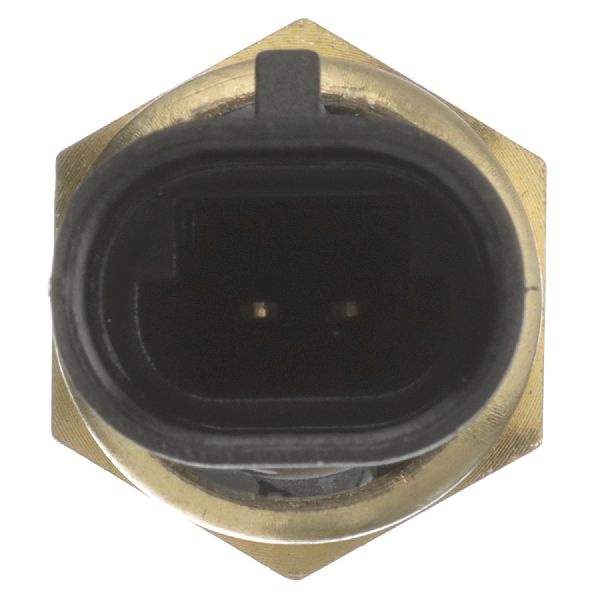
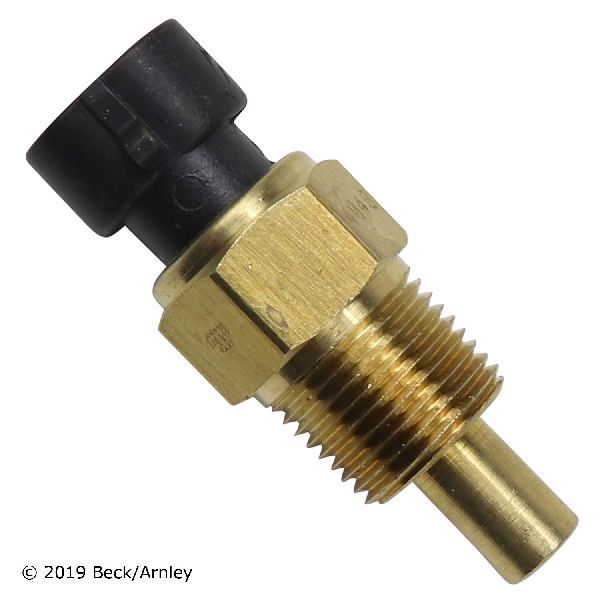
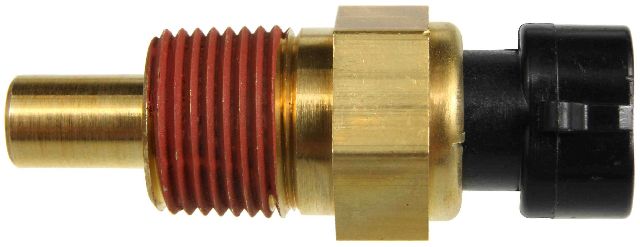
- Engine Coolant Temperature (ECT) Sensor: This is for the engine computer (ECU). It has a two-wire connector and is located at the front of the intake manifold, usually near the thermostat housing. This is the part that affects engine performance.
- Temperature Gauge Sender: This is for the temperature gauge on your dashboard. It is a single-wire unit, typically located on the driver's side cylinder head between the spark plugs. A failure here only affects the gauge reading, not how the engine runs.
This guide focuses on the two-wire ECT sensor for the engine computer.
Symptoms of a Failing ECT Sensor
A bad ECT sensor often fails by sending a false signal that the engine is always cold. This causes the computer to constantly dump extra fuel into the engine. Look for these common signs:
- Rough Idle or Stalling: The engine may idle erratically, hunt for idle, or stall completely, especially after it has warmed up.
- Poor Fuel Economy: If the computer thinks the engine is cold, it will run a rich fuel mixture, drastically reducing your miles per gallon.
- Black Smoke from Exhaust: A very rich fuel mixture can result in black smoke coming from the tailpipe, which is unburnt fuel.
- Check Engine Light: On these OBD-I trucks, a failing sensor can trigger the "Service Engine Soon" light. A common trouble code is 15, indicating a low temperature reading from the sensor.
- Hard Starting: The engine may be difficult to start, whether it's hot or cold, because the fuel mixture is incorrect.
Choosing the Right Aftermarket Sensor
While this is an inexpensive part, choosing a quality brand is important. Some cheap, no-name sensors can have incorrect resistance values, causing them to be faulty right out of the box or fail quickly. This can lead you to believe the problem is elsewhere. For a critical sensor like this, it's best to stick with a reputable brand.
Here’s a breakdown of the available brands:
- Premium Brands (Recommended): Delphi, NGK, and Standard Ignition (SMP) are well-regarded in the industry. Delphi was an original equipment supplier to GM for many parts, and their sensors are often considered OE-quality. These brands are your best bet for a reliable, long-lasting repair.
- Standard Brands: Beck Arnley, Hella, Four Seasons, and Holstein offer good quality parts that should perform reliably. They are a solid choice if a premium brand is not available.
- Economy Brands: Motorad and True Tech are typically budget-focused options. While they are the most affordable, they may have a higher risk of premature failure or incorrect calibration compared to premium brands.
Cost of a New Engine Coolant Temperature Sensor (1987-1988 V30)
| Part Type | Estimated Cost |
|---|---|
| New Aftermarket | $12.58 - $37.74 |
| New OEM (GM Genuine) | $40 - $60 |
| Shop Labor | $50 - $100 |
Pro Tip: Quick Swap to Minimize Coolant Loss
When you're ready to replace the sensor, have the new one with sealant on the threads in your hand. Unscrew the old sensor and quickly swap the new one in its place. You will lose a small amount of coolant, but this method prevents the need to drain the entire system. Always perform this job on a cold engine.
Frequently Asked Questions
Where is the ECT sensor located on my 1987-1988 V30?
The ECT sensor for the computer is located on the front of the intake manifold, near the thermostat housing and water neck. It will have a two-wire electrical connector.
What tools do I need to replace the ECT sensor?
The job is simple and typically only requires a 3/4" or 13/16" deep socket and a ratchet. You may also want some rags to clean up spilled coolant.
Do I need to drain the coolant to replace it?
No, you do not need to fully drain the cooling system. A small amount of coolant will leak out when you remove the sensor. If you quickly swap the new sensor in, coolant loss will be minimal. Make sure the engine is cold and the radiator cap is on to reduce the flow.
My temperature gauge doesn't work. Is this the right part?
No. If your dashboard temperature gauge is not working, you likely need to replace the single-wire temperature sender, which is located on the driver's side cylinder head. This ECT sensor is for the engine computer only.
Are there any recalls for this part?
No, there are no known recalls or widespread technical service bulletins (TSBs) from GM for the engine coolant temperature sensor on the 1987-1988 Chevrolet V30.
Technical Specifications
OEM Part Numbers: Cross-references include: 12146312 15326386 ACDelco 213-77 Standard Motor Products TS122
Two-wire, two-pin connector. Located on the intake manifold. Controls fuel mixture and timing via the ECU.
We Have This Part in Stock


The information in this article is provided for general reference and educational purposes only. Vehicle specifications, procedures, and part compatibility can vary by production date, trim level, and region. Always consult your vehicle's factory service manual and verify part numbers before purchasing or performing repairs. Safety-critical components such as airbags, seat belts, and braking systems should be installed by a qualified professional.
- Chevrolet V30:
- 🛍️ Shop This Part
- Is Your 1987-1988 V30 Running Rough? Check the Coolant Sensor.
- Don't Confuse the Sensor with the Sender!
- Symptoms of a Failing ECT Sensor
- Choosing the Right Aftermarket Sensor
- Cost of a New Engine Coolant Temperature Sensor (1987-1988 V30)
- Pro Tip: Quick Swap to Minimize Coolant Loss
- Frequently Asked Questions
- 🎟️ Get 5% Off