

Chevrolet V30 Radiator: A Guide to Replacement for 1987-1988 Models
Keep your classic workhorse from overheating with the right new radiator.
- Overheating is the number one sign of failure; do not drive if the temperature gauge is in the red.
- For this truck, radiator replacement is a straightforward DIY job that can be done with basic tools.
- Spectra is a reliable standard replacement, while Frostbite offers a performance upgrade for heavy use or big block engines.
- Always replace the radiator cap and hoses at the same time as the radiator to ensure a reliable repair.
Signs Your V30 Radiator is Failing
A failing radiator can't be ignored, as it can lead to catastrophic engine damage. On a truck from this era, the signs are usually straightforward. Look for these common symptoms:
- Engine Overheating: The most obvious sign. Your temperature gauge will climb into the red, especially in traffic or under load. If it overheats at low speeds but is fine on the highway, it could also point to a bad fan clutch.
- Coolant Leaks: Finding puddles of green, yellow, or red fluid under the front of your truck is a clear sign of a leak. On modern replacement radiators, the plastic tanks are a common place for cracks to develop.
- Rusty or Discolored Coolant: Coolant should be brightly colored. If the fluid in your overflow tank looks rusty, brown, or sludgy, it can indicate internal corrosion in the radiator, which leads to clogging.
- Heater Not Working: The cabin heater uses hot coolant to warm the air. If your radiator is clogged or low on fluid, you might notice the heater blows cold or lukewarm air.
Choosing the Right Aftermarket Radiator
For a 1987-1988 V30, finding a new OEM radiator from GM is not a realistic option. The aftermarket offers several choices that range from basic replacements to performance upgrades. Original radiators were often copper/brass, but modern aluminum radiators dissipate heat more effectively. Even a standard aftermarket part can be an upgrade over a 35-year-old original.
Brand Quality Tiers
| Tier | Brands | Description |
|---|---|---|
| Economy | APDI, One Stop Solutions | These brands offer the most budget-friendly options. However, forum and user reviews for APDI are often negative, citing issues with fitment and quality, such as incorrect transmission line fittings that cause leaks. There is little specific feedback available for One Stop Solutions. Consider these if the budget is the absolute top priority, but be prepared to double-check all fittings before installation. |
| Standard Replacement | Spectra | Spectra is a widely available and generally trusted brand for OEM-style replacements. Their radiators are designed to be a direct fit and meet original equipment specifications. For a daily driver or work truck that needs a reliable, no-frills solution, Spectra is a solid middle-ground choice. |
| Performance Upgrade | Frostbite | Frostbite specializes in all-aluminum, TIG-welded radiators that offer superior cooling, making them ideal for V30s with big block engines (like the 454), those that tow frequently, or for owners in hot climates. Reviews praise their build quality and cooling efficiency, though some owners note minor modifications may be needed for a perfect fit. |
Frequently Asked Questions
Is an all-aluminum radiator worth the extra cost?
For most users, a standard replacement with plastic tanks and an aluminum core is sufficient. However, if you have a high-horsepower engine, tow heavy loads, or live in a very hot climate, the improved cooling and durability of an all-aluminum radiator like a Frostbite can provide valuable peace of mind and prevent overheating under stress.
Do I need to replace my radiator cap and hoses?
Yes. It is highly recommended to replace the radiator cap and both the upper and lower radiator hoses when installing a new radiator. Old hoses can become soft and collapse or hard and brittle, leading to leaks. A new radiator cap ensures the system holds the correct pressure. This is a small extra cost that prevents future problems.
What about the transmission cooler lines?
If your V30 has an automatic transmission, it has a transmission fluid cooler integrated into the radiator. You will need to disconnect these lines from the old radiator and connect them to the new one. Be careful, as the fittings can be rusty. Some aftermarket radiators may require adapters, which are usually included. Have a pan ready to catch any spilled transmission fluid.
Is replacing the radiator a DIY job?
Yes, for a 1987-1988 V30, this is a very DIY-friendly job. The process is straightforward due to the ample space in the engine bay. Basic hand tools are all that's required. The job involves draining the coolant, removing the fan shroud, disconnecting the hoses, and unbolting the radiator itself.
Technical Specifications
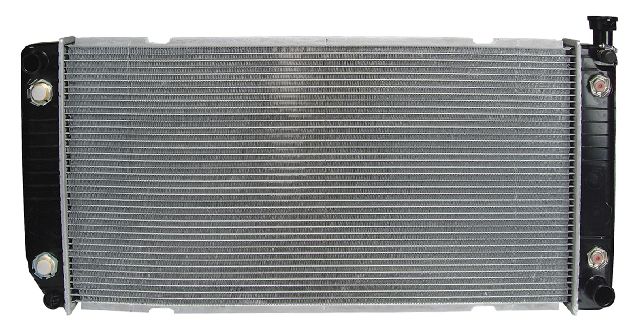
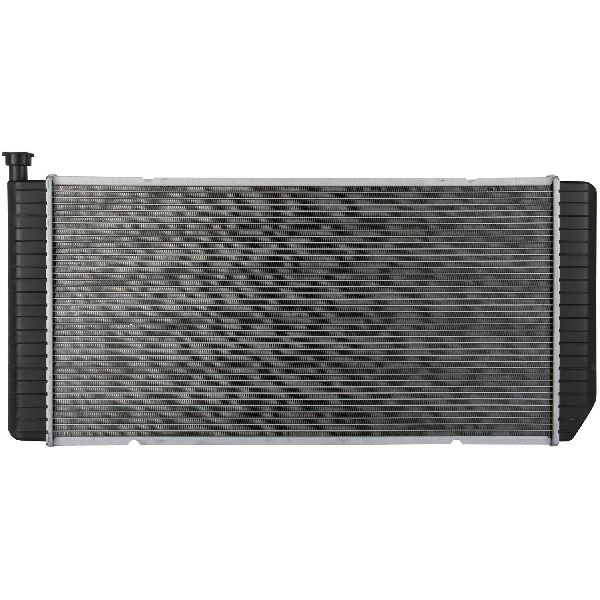
Varies by engine and options. Common aftermarket core size is approximately 26.25" wide by 16.25" high. Inlet and outlet locations are typically upper driver side and lower passenger side. Must verify if your truck requires connections for an engine oil cooler and/or a transmission cooler.
We Have This Part in Stock


The information in this article is provided for general reference and educational purposes only. Vehicle specifications, procedures, and part compatibility can vary by production date, trim level, and region. Always consult your vehicle's factory service manual and verify part numbers before purchasing or performing repairs. Safety-critical components such as airbags, seat belts, and braking systems should be installed by a qualified professional.
- Chevrolet V30: