

Dodge Raider Engine Coolant Thermostat: A Comprehensive Guide (1987-1989)
Keep your Raider's engine temperature in check by understanding when and how to replace your thermostat.
- A failing thermostat can get stuck open (engine runs cold) or stuck closed (engine overheats). Overheating is critical and requires you to stop driving immediately.
- There are no specific recalls or TSBs for the thermostat on the 1987-1989 Raider, but watch for common failure symptoms like an erratic temperature gauge or lack of heat.
- Since OEM parts are discontinued, choose a quality aftermarket brand like Beck Arnley or Gates. Avoid the cheapest options, as quality is crucial for this part.
- Replacing the thermostat is a simple, low-cost DIY job. It's a good time to also inspect hoses and flush the cooling system with fresh 'green' IAT coolant.
Is Your Raider's Thermostat Failing?
A thermostat is a simple part, but its failure can lead to serious engine problems. They typically fail in one of two ways: stuck open or stuck closed. A stuck-closed thermostat is the most critical failure, as it blocks coolant from reaching the radiator, causing the engine to overheat rapidly. If your temperature gauge suddenly climbs into the red, pull over immediately to prevent catastrophic engine damage like a cracked cylinder head. A thermostat stuck open is less dangerous but still needs to be addressed. It allows coolant to flow constantly, preventing the engine from reaching its proper operating temperature. This leads to poor fuel economy, increased engine wear, and a heater that only blows lukewarm air, a symptom noted by some Raider owners.
Key Symptoms of a Bad Thermostat:
- Overheating: The temperature gauge quickly enters the red zone. This is a critical symptom of a thermostat stuck closed.
- Engine Not Warming Up: The temperature gauge stays low, and the heater blows cool or lukewarm air. This points to a thermostat stuck open.
- Erratic Temperature Gauge: The needle fluctuates between hot and cold for no reason.
- Coolant Leaks: A faulty thermostat or its gasket can sometimes cause coolant to leak from the thermostat housing, which is typically located where the upper radiator hose meets the engine.
- Check Engine Light: While less common on these older models, a code like P0128 on newer vehicles indicates the engine coolant temperature is below the thermostat's regulating temperature, a classic sign of a stuck-open thermostat.
Warning: Overheating is an Emergency
If your Dodge Raider's temperature gauge is in the red, stop the engine immediately. Driving even a short distance with an overheating engine can cause irreversible damage, including warped cylinder heads or complete engine failure.
Choosing the Right Aftermarket Thermostat
Since original Mopar thermostats for the Raider are discontinued, you will be choosing from aftermarket brands. For a crucial part like a thermostat, quality matters more than price, especially since the cost difference is minimal. Forum discussions among owners of similar vintage Japanese vehicles often recommend sticking close to OEM quality.
Here's a breakdown of the available brands:
- Beck Arnley: Often considered a premium aftermarket brand, Beck Arnley is known for sourcing parts from various manufacturers, sometimes even the original OEM supplier. This means you might get an OEM-quality part in a Beck Arnley box. However, it's also been noted they sometimes rebrand parts from other aftermarket makers like Motorad.
- Gates: Gates is a highly respected name in the automotive world, especially for belts, hoses, and other cooling system components. Their thermostats are generally considered reliable, standard replacement options that meet or exceed OEM specifications.
- Calorstat: Calorstat by Vernet is a well-known OEM supplier for many European and other vehicle manufacturers. Their thermostats are typically high-quality and a reliable choice if available for your Raider.
- Motorad: Motorad is a very large aftermarket manufacturer that produces thermostats for many different brands. While they offer a cost-effective solution, some mechanics and DIYers on forums express mixed opinions, suggesting they may not have the same longevity as OEM or premium aftermarket options.
Pro Tip: Check the Temperature Rating
Always match the new thermostat's temperature rating to your vehicle's original specification. For the 1987-1989 Raider, this is typically a 180°F or 195°F thermostat. Using a lower temperature thermostat can hurt fuel efficiency and heater performance, while a higher temp one can increase the risk of overheating.
Cost of Replacing a Dodge Raider Thermostat
Replacing a thermostat is one of the more affordable repairs you can perform. The parts are inexpensive, and the labor is straightforward.
| Part Type | Cost Range |
|---|---|
| New Aftermarket Thermostat | $9.85 - $26.86 |
| Shop Labor | $90 - $150 |
Frequently Asked Questions (FAQ)
Are there any recalls or TSBs for the Dodge Raider thermostat?
No recalls or Technical Service Bulletins (TSBs) have been issued by the NHTSA specifically for the engine coolant thermostat on the 1987-1989 Dodge Raider. There was a recall (89V027000) related to throttle icing that involved routing heated engine coolant to the throttle body, but it did not concern the thermostat's function.
Is this a difficult DIY job?
No, this is a great job for a beginner. The thermostat on both the 2.6L 4-cylinder and 3.0L V6 engines is located in a housing where the upper radiator hose connects to the engine. The job involves draining some coolant, removing two or three bolts, swapping the thermostat and gasket, and then refilling and bleeding the air from the system. Estimated time is under one hour for someone with basic tools.
Should I replace anything else at the same time?
Yes. It is highly recommended to replace the thermostat gasket. Many thermostats come in a kit with a new gasket. This is also the perfect time to inspect your radiator hoses for cracks, swelling, or softness. Since you have to drain the coolant, it's a good opportunity to perform a full coolant flush, especially if the old coolant looks rusty or dirty. Always use distilled water when mixing coolant.
What kind of coolant should I use in my 1987-1989 Dodge Raider?
For this era of vehicle, a traditional "green" Inorganic Additive Technology (IAT) coolant is the correct type. Do not use modern OAT (like Dex-Cool) or HOAT coolants, as mixing coolant types can cause accelerated corrosion and other cooling system problems.
Technical Specifications
OEM Part Numbers: MD997178 MD997616 MD975292
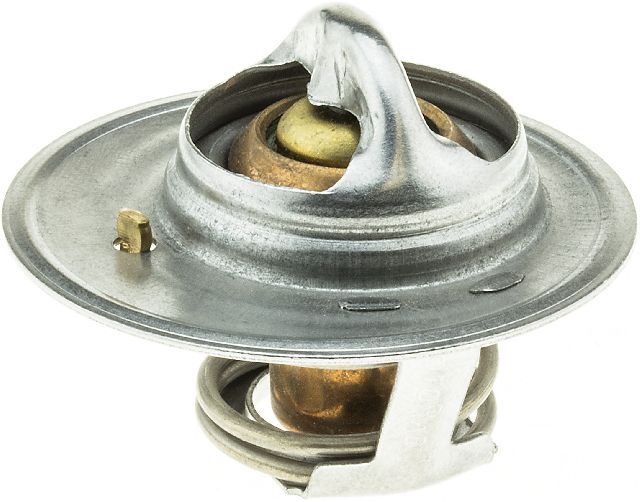
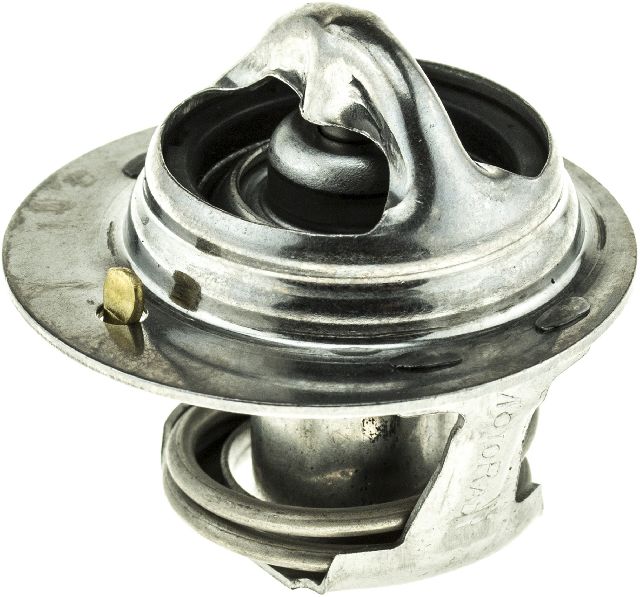
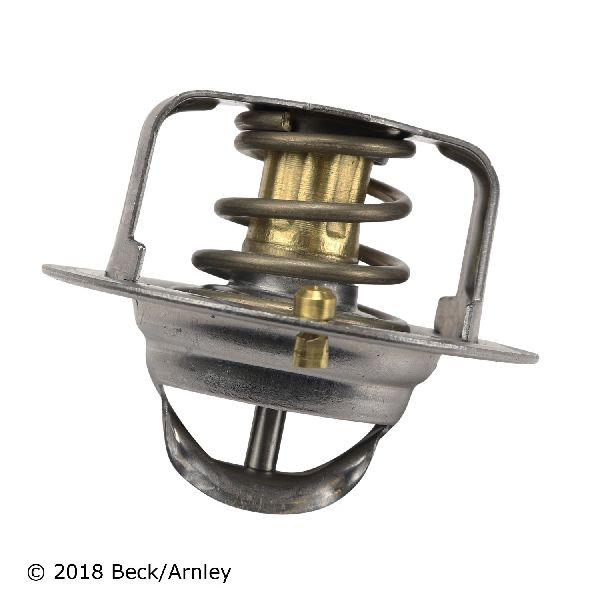
Standard temperature ratings are typically 180°F or 195°F. The thermostat is a mechanical, wax-pellet type valve. It is located in the housing at the engine-side of the upper radiator hose.
We Have This Part in Stock


The information in this article is provided for general reference and educational purposes only. Vehicle specifications, procedures, and part compatibility can vary by production date, trim level, and region. Always consult your vehicle's factory service manual and verify part numbers before purchasing or performing repairs. Safety-critical components such as airbags, seat belts, and braking systems should be installed by a qualified professional.
- Dodge Raider: