

Engine Coolant Temperature Sensor Guide for 1987-1989 GMC R2500
Fix poor idling and rich running conditions by understanding and choosing the right coolant sensor for your truck.
- Your truck has two temp sensors; the two-wire sensor on the intake manifold controls the engine, while the one-wire sender on the head controls the gauge.
- Symptoms like poor MPG, black smoke, and rough idle point strongly to a bad ECT sensor.
- This is an easy, 30-minute DIY replacement that requires basic tools.
- Spending a few extra dollars on a quality brand like Delphi, NGK, or Standard Ignition is recommended for accurate performance.
Is Your R2500 Running Rough? It Could Be the Coolant Temp Sensor
If your 1987-1989 GMC R2500 is suffering from symptoms like a rough idle, black smoke from the exhaust, or terrible gas mileage, a faulty Engine Coolant Temperature (ECT) sensor is a likely culprit. This small sensor plays a huge role in how your truck's TBI engine runs. When it fails, it often sends a false "cold" signal to the engine's computer, causing it to dump too much fuel. This guide will help you understand the problem, choose the right replacement part, and get your classic GMC running smoothly again.
Important: Two Different Temperature Sensors
Your GMC R2500 has two separate coolant temperature sensors. It is crucial to identify which one you need to replace.
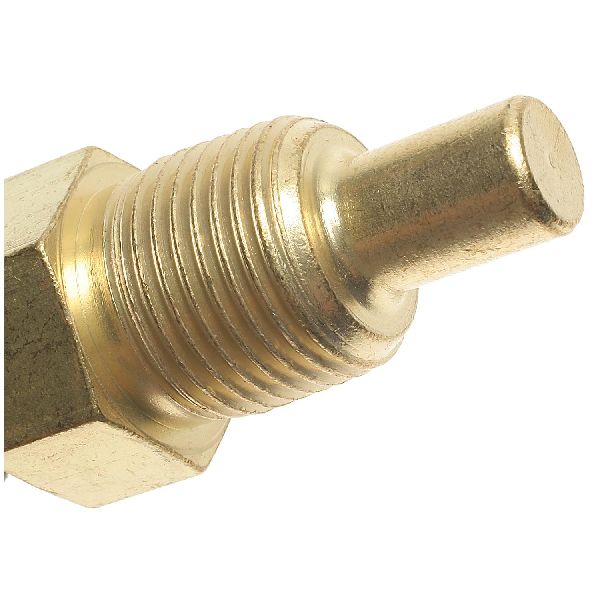
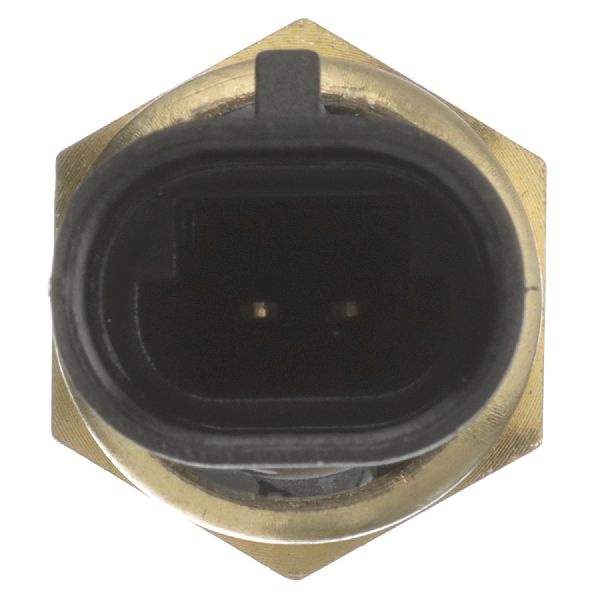
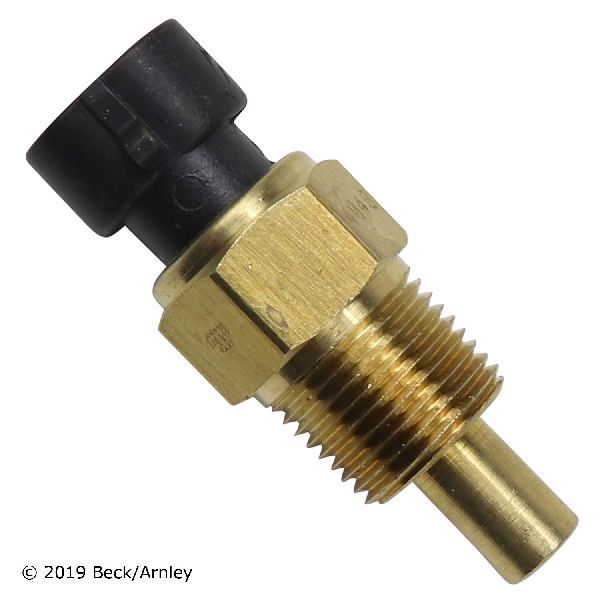
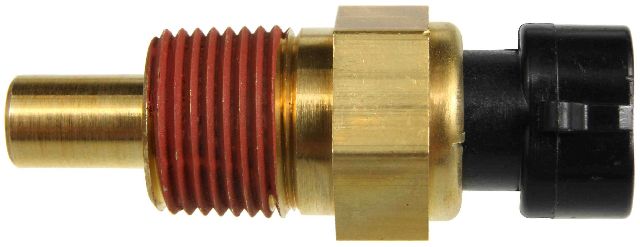
- Engine Coolant Temperature (ECT) Sensor: This is a two-wire sensor for the engine computer (ECM). It is usually located on the front of the intake manifold near the thermostat housing. A failure here affects engine performance. This is the part this guide focuses on.
- Temperature Gauge Sending Unit: This is a one-wire sender for the temperature gauge on your dashboard. It is typically located on the driver's side cylinder head between the spark plugs. A failure here only affects the gauge reading.
Common Failure Symptoms
A failing ECT sensor can make your truck's computer think the engine is always cold. This leads to several noticeable problems:
- Poor Fuel Economy: The most common symptom. The ECM provides a rich fuel mixture, thinking the engine is in a cold-start cycle.
- Black Smoke from Exhaust: Excess fuel that isn't burned in the cylinders burns in the exhaust, creating black smoke.
- Rough Idle or Stalling: The incorrect air/fuel mixture can cause the engine to idle poorly, hunt for idle, or stall, especially when warm.
- Check Engine Light: On these OBD-I trucks, a bad ECT sensor will often trigger a "Code 15".
- Hard Starting: When the sensor fails completely, it can be difficult to get the engine started.
Choosing the Right Aftermarket Sensor
For a part this critical to engine management, quality matters. While even the most expensive option is affordable, choosing a bottom-tier brand can lead to inaccurate readings and persistent performance issues. It's often best to stick with brands known for their electronics and OEM heritage.
Brand Quality Tiers
Here’s a breakdown of the available brands to help you choose:
- Tier 1 (OEM & Premium Aftermarket): Delphi, NGK, Standard Ignition. Delphi was an original equipment supplier for GM, making it a top choice. NGK and Standard Ignition (SMP) are highly respected for their electronic components and are trusted for their quality and accuracy.
- Tier 2 (Reputable Aftermarket): Beck Arnley, Hella, Four Seasons. These brands offer a good balance of quality and value. They are generally reliable, though they may not have the same OEM pedigree as Tier 1 for this specific part.
- Tier 3 (Economy): Holstein, Motorad, True Tech. These are budget-friendly options. While they will function, some owners report that cheaper sensors can be less accurate, potentially leaving some performance issues unresolved. For a few dollars more, moving up to a higher tier is a wise investment.
| Part Quality | Typical Price Range | Notes |
|---|---|---|
| Premium Aftermarket (Delphi, NGK) | $25 - $38 | Recommended for best accuracy and reliability. |
| Standard Aftermarket (Hella, Four Seasons) | $18 - $25 | A solid choice for a balance of price and quality. |
| Economy Aftermarket (Holstein, Motorad) | $12 - $18 | Functional, but may lack the precision of higher-tier brands. |
Pro Tip: Quick Installation
Replacing the sensor is a simple job. Let the engine cool completely. Have the new sensor ready in your hand when you unscrew the old one. You can quickly swap them, which minimizes coolant loss. A 3/4" or 13/16" deep socket or wrench is typically all that is needed.
Frequently Asked Questions
Is this a difficult part to replace myself?
No, this is a great DIY job for a beginner. It is easily accessible on the front of the intake manifold and requires basic hand tools. The entire process should take less than 30 minutes.
Why is my temperature gauge not working after replacing this sensor?
You may have replaced the wrong sensor. The sensor for the engine computer (ECT) is separate from the one for the dashboard gauge (sending unit). The gauge sender is on the cylinder head, while the ECT sensor is on the intake manifold.
Do I need to drain the coolant to replace it?
No, you do not need to fully drain the cooling system. Some coolant will spill when you remove the old sensor. To minimize the mess, unscrew the old sensor and quickly install the new one. Be sure to top off the coolant level in the radiator after you are finished.
Are there any recalls for the coolant temperature sensor on my truck?
No, there are no specific recalls or technical service bulletins (TSBs) from NHTSA for the engine coolant temperature sensor on the 1987-1989 GMC R2500. Any failures are due to the age and normal wear of the component.
Technical Specifications
OEM Part Numbers: 25036979 8250369790
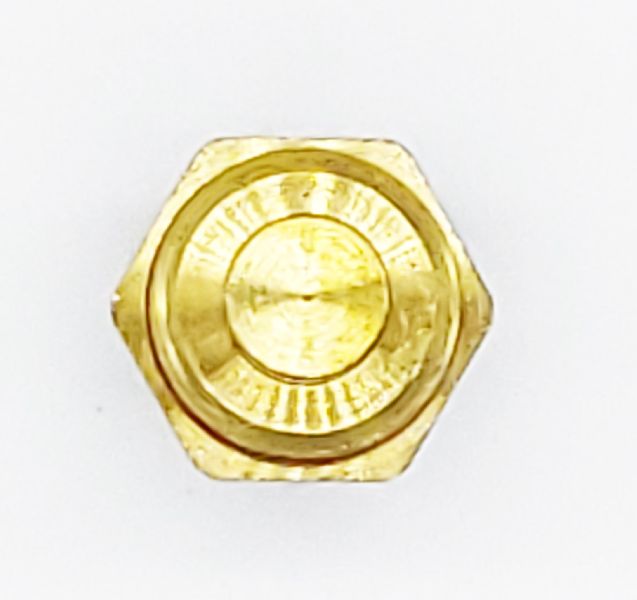
Two-wire sensor, typically with a 3/4" or 13/16" hex size. Located on the intake manifold near the thermostat housing.
We Have This Part in Stock


The information in this article is provided for general reference and educational purposes only. Vehicle specifications, procedures, and part compatibility can vary by production date, trim level, and region. Always consult your vehicle's factory service manual and verify part numbers before purchasing or performing repairs. Safety-critical components such as airbags, seat belts, and braking systems should be installed by a qualified professional.
- GMC R2500: