

Choosing the Right Spark Plugs for Your 1987-1991 BMW 325i (E30)
Keep your classic E30 running smoothly with the correct spark plugs for its M20 engine.
- Stick to standard single-electrode copper spark plugs like NGK BPR6ES or Bosch W8LCR.
- Avoid using platinum, iridium, or multi-electrode plugs, as they are not ideal for the M20 engine.
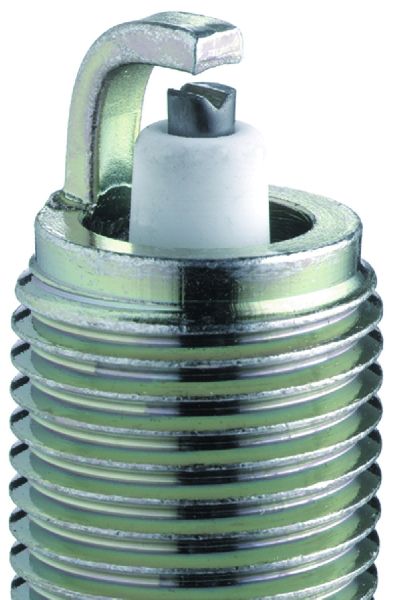
- Always check and set the spark plug gap to 0.7mm-0.8mm (0.028"-0.032") before installation.
- This is a simple, inexpensive, and highly recommended DIY maintenance item for any E30 owner.
Symptoms of Failing Spark Plugs

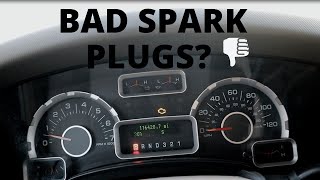
When spark plugs wear out, they can't create a strong, consistent spark. This can cause a number of noticeable problems. You might feel the engine running rough, especially when idling. Other common signs include difficulty starting the engine, a noticeable loss of power and sluggish acceleration, and worse fuel mileage than usual. These symptoms occur because unburnt fuel is leaving the engine, leading to inefficient performance.
🎬 Watch: See these common symptoms of bad spark plugs in action.Choosing the Right Aftermarket Spark Plugs for the M20 Engine

The M20 engine in the E30 325i is a classic design, and it performs best with classic spark plug technology. While modern plugs made of platinum or iridium are great for newer cars, they are not recommended for the M20. Owners and mechanics have found that these "fancy" plugs can sometimes cause running issues. The consensus among E30 enthusiasts is to stick with standard, single-electrode copper spark plugs.
Pro Tip: Avoid Platinum and Iridium
Do not use multi-electrode, platinum, or iridium spark plugs in your 1987-1991 325i. The M20 engine's ignition system was designed for standard copper plugs. Using more modern plug types can lead to a weaker spark and poor performance. Stick with what works: simple copper plugs.
Brand Recommendations: NGK vs. Bosch
For the E30 325i, the debate comes down to two main brands: NGK and Bosch. Both are excellent choices and were used as original equipment by BMW at different times.
- NGK (BPR6ES): This is a highly recommended plug by a huge portion of the E30 community. It's a reliable, standard copper plug that provides excellent performance in the M20 engine.
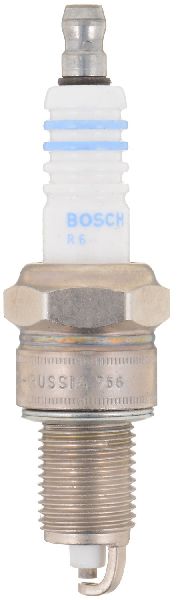
- Bosch (W8LCR / WR9LS): Bosch was an original supplier for these cars, and their standard copper plugs are also a great choice. Many owners use them with great success and consider them the true OEM option.
Honestly, you can't go wrong with either the NGK BPR6ES or the correct Bosch copper plug. Most drivers will not notice a difference between them. The most important thing is to buy from a reputable source to avoid counterfeit parts.
| Brand Tier | Recommended Brands/Products | Price Range (per plug) |
|---|---|---|
| Enthusiast Preferred | NGK (BPR6ES), Bosch (W8LCR, WR9LS) | $2.56 - $5.00 |
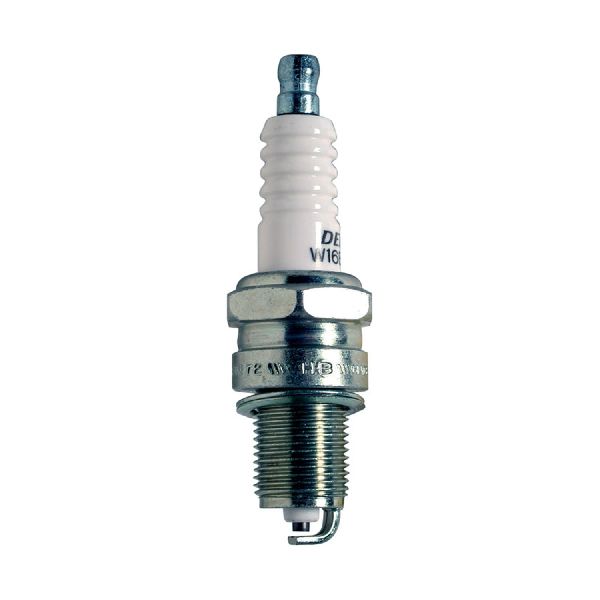
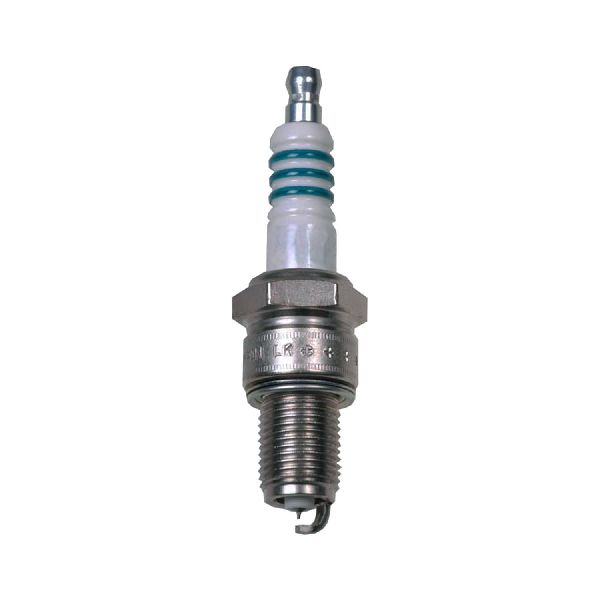
| Standard Replacement | Denso (W20EPR-U), Champion (RN12MC4) | $2.56 - $4.50 |
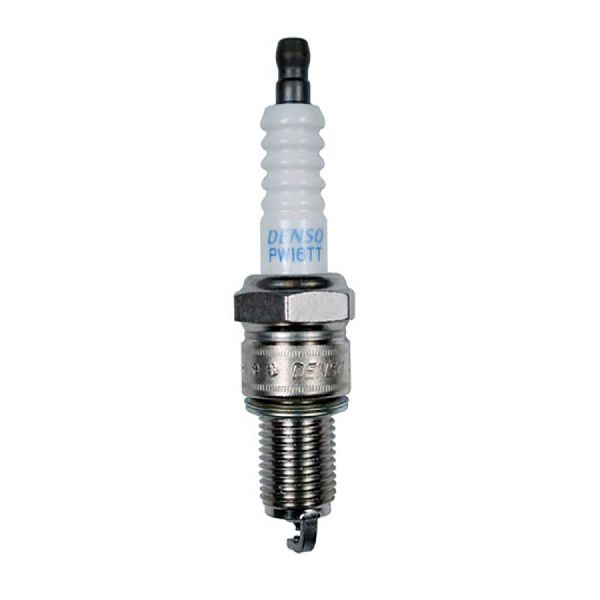
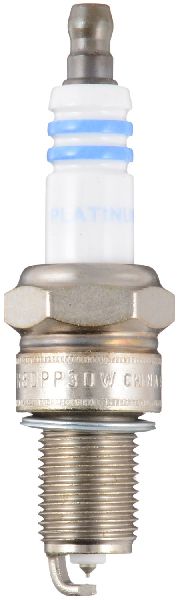
| Avoid for this Vehicle | Any Iridium or Platinum Plugs | $8.00 - $16.38 |
Known Issues, Recalls, or TSBs
There are no spark plug-specific recalls, Technical Service Bulletins (TSBs), or common widespread issues for the 1987-1991 BMW 325i. The ignition system is robust and straightforward. Any problems are typically due to normal wear and tear of components like the plugs, wires, cap, or rotor.
Frequently Asked Questions (FAQ)

How often should I change the spark plugs on my 325i?
For a standard copper spark plug in the M20 engine, a good interval is every 15,000 to 30,000 miles, or every 2-3 years. Given how inexpensive and easy they are to change, doing it more frequently is good preventative maintenance.
What is the correct spark plug gap for a 1987-1991 325i?
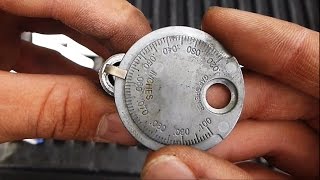
The correct spark plug gap is between 0.7mm and 0.8mm (0.028" - 0.032"). Even if plugs are advertised as "pre-gapped," you should always check and adjust the gap with a feeler gauge before installation.
🎬 Learn how to properly gap your new spark plugs here.Is it hard to change the spark plugs myself?
No, this is one of the easiest jobs to do on an E30 325i and is a great DIY task for beginners. 🎬 Follow this step-by-step guide to replace your E30 spark plugs. The spark plugs are easily accessible on the side of the M20 engine. You only need a few basic tools.
What tools do I need to change the spark plugs?
You will need a ratchet, a few extensions, and a 21mm (or 20.8mm) spark plug socket. A torque wrench is highly recommended for tightening the new plugs to the correct specification (around 28 Nm or 20-21 ft-lbs) to avoid damaging the aluminum cylinder head. A small amount of anti-seize on the threads is also a good idea.
Helpful Videos
Technical Specifications
OEM Part Numbers: 12129061869 12121715855 12129057223
Required Quantity: 6 Recommended Plug Types: NGK BPR6ES, Bosch W8LCR Material: Standard Copper Spark Plug Gap: 0.7mm - 0.8mm (0.028" - 0.032") Thread Size: M14x1.25 Socket Size: 21mm (or 20.8mm) Tightening Torque: ~28 Nm (20-21 ft-lbs)
We Have This Part in Stock

The information in this article is provided for general reference and educational purposes only. Vehicle specifications, procedures, and part compatibility can vary by production date, trim level, and region. Always consult your vehicle's factory service manual and verify part numbers before purchasing or performing repairs. Safety-critical components such as airbags, seat belts, and braking systems should be installed by a qualified professional.
- BMW 325i: