

A/C Compressor Guide for the 1987-1991 Buick LeSabre
Everything you need to know before replacing the A/C compressor on your classic H-Body Buick.
- Your LeSabre's original R-12 A/C system MUST be converted to R-134a when installing a new compressor.
- Replacing the accumulator/drier and orifice tube at the same time as the compressor is not optional; it's required for the new part's survival.
- The system must be thoroughly flushed to remove old oil and potential debris from the previous compressor failure.
- A proper installation is more important for longevity than the specific brand of compressor you choose.
Signs of a Failing A/C Compressor
When the A/C compressor in your 1987-1991 Buick LeSabre begins to fail, it will give you several warning signs. Ignoring them can lead to more extensive and costly damage to the A/C system. The most common symptom is simply that the air blowing from your vents is no longer cold. You might also hear strange noises from the engine bay when the A/C is turned on, such as grinding, squealing, or rattling. These noises can indicate failing internal bearings or other mechanical problems within the compressor. Another clear sign is if the A/C clutch, the front part of the compressor pulley, fails to engage. You should hear a distinct 'click' when you turn on the A/C, and the front plate of the compressor should start spinning with the pulley; if it doesn't, there's a problem.
The Critical R-12 to R-134a Conversion
Your 1987-1991 LeSabre was built to use R-12 refrigerant, which is no longer produced and is extremely difficult and expensive to obtain. Any new aftermarket compressor you buy today is designed to be used with the modern R-134a refrigerant. You cannot simply add R-134a to an R-12 system. A full conversion is required.
This involves:
- Having the old R-12 professionally and legally evacuated.
- Flushing the entire system (hoses, evaporator, condenser) to remove the old mineral oil, which is not compatible with R-134a.
- Replacing the A/C accumulator (also called the receiver/drier) and the orifice tube. This is not optional; the old accumulator is saturated with moisture and old oil.
- Adding the correct type and amount of new PAG oil for R-134a systems.
- Installing new service port fittings for R-134a charging equipment.
Failure to perform a proper conversion will cause the new compressor to fail very quickly.
Choosing the Right Aftermarket Compressor
For a vehicle of this age, a new aftermarket compressor is the most practical and available choice. While you might find remanufactured units, forum discussions often advise against them due to inconsistent quality. The success of your new compressor depends more on a correct installation than the specific brand you choose.
- ACDelco: Often considered the top choice for GM vehicles, ACDelco parts are known for their fit and reliability. While they may be priced higher, they are a trusted brand for LeSabre owners.
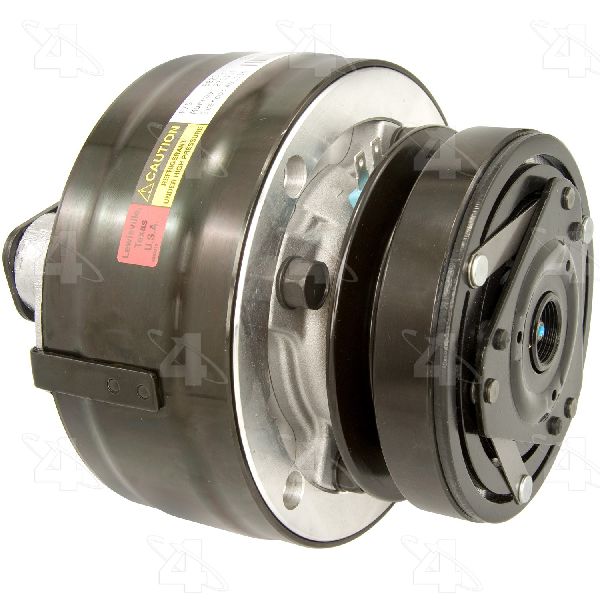
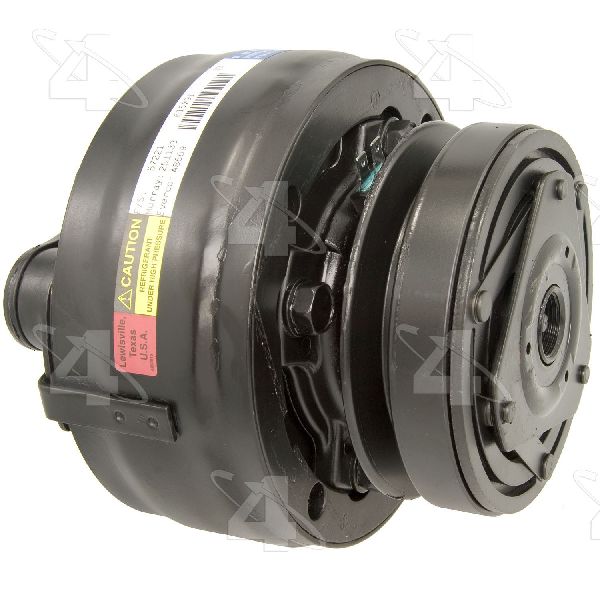
- Four Seasons: This is one of the most common and well-regarded aftermarket brands. Many mechanics and DIYers have used them with great success. They offer a good balance of quality and price.
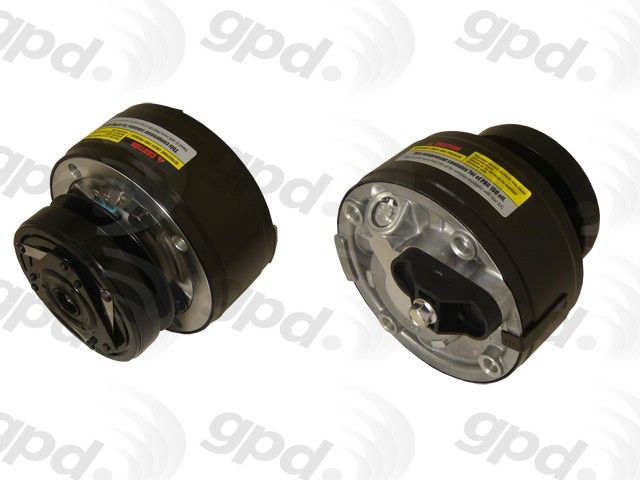
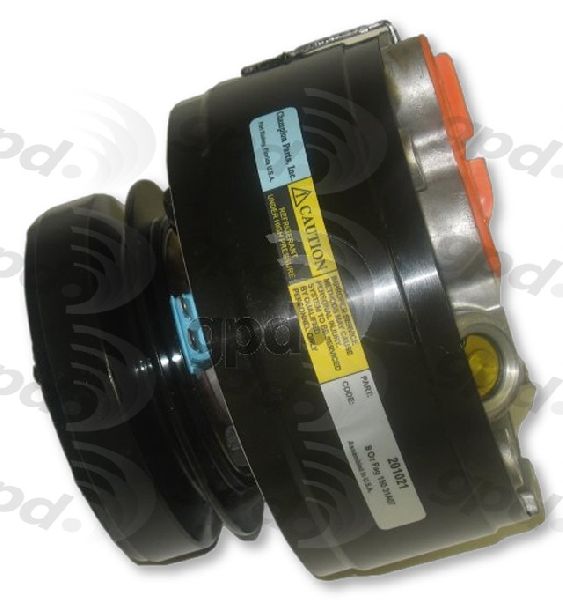
- Global Parts (GPD) / UAC: These brands are widely available and offer a competitive price point. They are a viable option, especially when on a budget, but it is absolutely critical that the system is properly flushed and all necessary components (accumulator, orifice tube) are replaced at the same time.
Pro Tip: Many compressors are sold as part of a kit that includes the new accumulator, orifice tube, and O-rings. Buying a kit is highly recommended to ensure you have all the necessary parts for a successful replacement and conversion.
Estimated Replacement Costs
The cost to replace the A/C compressor on your LeSabre will vary based on shop labor rates and the parts you choose. The biggest variable is the labor involved in a proper R-134a conversion.
| Item | Estimated Cost |
|---|---|
| New Aftermarket A/C Compressor | $225 - $491 |
| A/C Accumulator, Orifice Tube & Seals | $50 - $100 |
| Shop Labor (including system evacuation, flush, vacuum & recharge) | $350 - $600 |
| Total Estimated Cost | $625 - $1191 |
Frequently Asked Questions
Do I have to replace the accumulator and orifice tube?
Yes, it is mandatory. The accumulator contains a desiccant that absorbs moisture, and it can only hold so much. When you open the system, it becomes saturated. If your old compressor failed internally, metal debris is likely trapped in the orifice tube and accumulator. Not replacing these parts will guarantee a rapid failure of your new compressor.
Can I just replace the A/C clutch?
Sometimes, but it's often not practical. If only the clutch's electromagnetic coil has failed or the bearing is noisy, you might be able to replace just the clutch assembly. However, if the compressor itself is old, it may be wiser to replace the entire unit. Often, the cost of a clutch assembly and the special tools needed make a full compressor replacement a better long-term value.
What is 'black death' in an A/C system?
"Black death" refers to the catastrophic failure of a compressor, which spreads a mixture of gray/black metal shavings and burnt oil throughout the entire A/C system. If you see this when disconnecting the lines, every component—including the condenser and evaporator—must be thoroughly flushed or replaced to save the new compressor.
Can I do this job myself?
While the physical unbolting and re-bolting of the compressor is possible for a skilled DIYer, A/C work requires special tools like a vacuum pump and manifold gauges. Furthermore, it is illegal to release refrigerant into the atmosphere, so the system must be evacuated by a certified professional before you begin work and recharged by one after you are done.
Technical Specifications
OEM Part Numbers: 15-20206
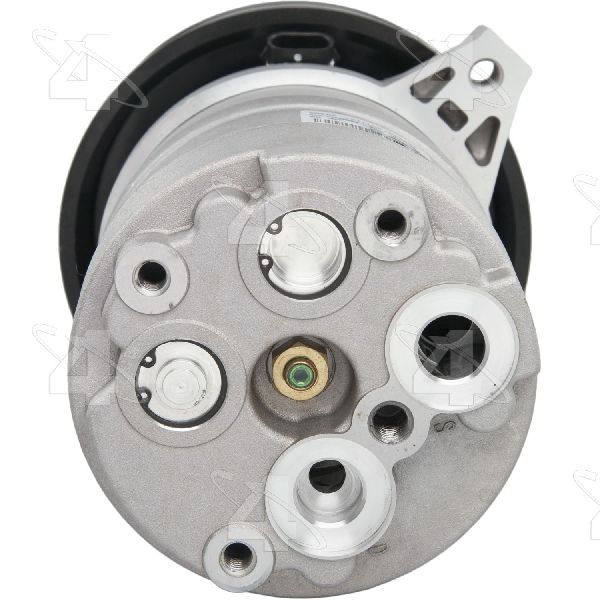
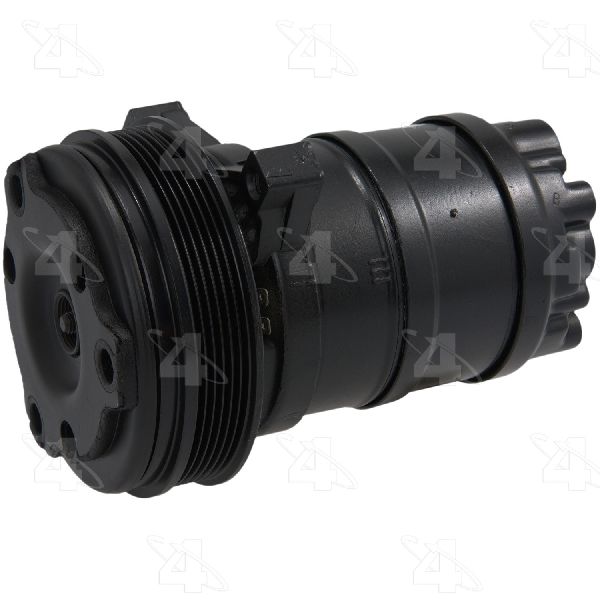
Compressor Type: Harrison HR6, Clutch Type: Cycling Clutch, Refrigerant Type: Original R-12 (must be converted to R-134a), Oil Type: Mineral (for R-12), PAG 150 (for R-134a conversion)
We Have This Part in Stock

The information in this article is provided for general reference and educational purposes only. Vehicle specifications, procedures, and part compatibility can vary by production date, trim level, and region. Always consult your vehicle's factory service manual and verify part numbers before purchasing or performing repairs. Safety-critical components such as airbags, seat belts, and braking systems should be installed by a qualified professional.
- Buick LeSabre: