

Manifold Absolute Pressure (MAP) Sensor for the 1987-1991 Dodge Dakota
If your first-gen Dakota is running rough, hesitating, or using too much gas, a failing MAP sensor could be the problem.
- A bad MAP sensor on your 1987-1991 Dakota will cause poor performance like rough idle, bad gas mileage, and hesitation.
- Always check for simple issues like cracked or disconnected vacuum hoses before buying a new sensor.
- Replacement is very easy for a DIYer, requiring only basic tools and about 30 minutes.
- Quality aftermarket brands like Standard Ignition and Walker are reliable and readily available replacements for hard-to-find OEM parts.
Is Your MAP Sensor Failing?
A bad MAP sensor can make your truck run poorly, but the symptoms can sometimes be mistaken for other issues. One of the first signs is often the 'Check Engine' light turning on. On these pre-OBD-II trucks, you can retrieve fault codes by cycling the ignition key from Off to On three times, leaving it On. The 'Check Engine' light will then flash to indicate a two-digit code. Codes 13 and 14 point directly to a MAP sensor problem.
Even without a code, you might notice other signs:
- Rough or Unstable Idle: The engine may shake or struggle to maintain a steady RPM at a stop.
- Poor Fuel Economy: A bad sensor can trick the computer into sending too much fuel, causing you to visit the gas station more often.
- Hesitation or Stalling: When you press the gas, the truck might hesitate or stumble. It could even stall when coming to a stop.
- Black Smoke from Exhaust: This is a clear sign that the engine is running too rich (too much fuel), which can be caused by a faulty MAP sensor reading.
- Lack of Power: Your Dakota may feel sluggish and slow to accelerate because the air-fuel mixture is incorrect.
Check for Vacuum Leaks First!
Before you replace the MAP sensor, it's smart to check for cracked or disconnected vacuum hoses. A vacuum leak can cause the exact same symptoms as a bad sensor because it allows unmeasured air into the engine, confusing the computer. A simple visual inspection of the hoses connected to the intake manifold can save you time and money.
Choosing a New Aftermarket MAP Sensor
For a vehicle like the 1987-1991 Dakota, original Mopar parts can be very hard to find. Aftermarket parts are the most realistic and common solution. Quality can vary, so it's helpful to understand the brands available.
- Standard Ignition (Standard Motor Products): This is a well-established brand in the aftermarket world. They produce a huge range of sensors and are generally considered a reliable, mid-to-upper-tier option. While individual part reviews can be mixed, many mechanics trust them for daily repairs. One owner of an '88 Dakota reported using a NAPA-branded sensor, often made by Standard, for over five years without issues.
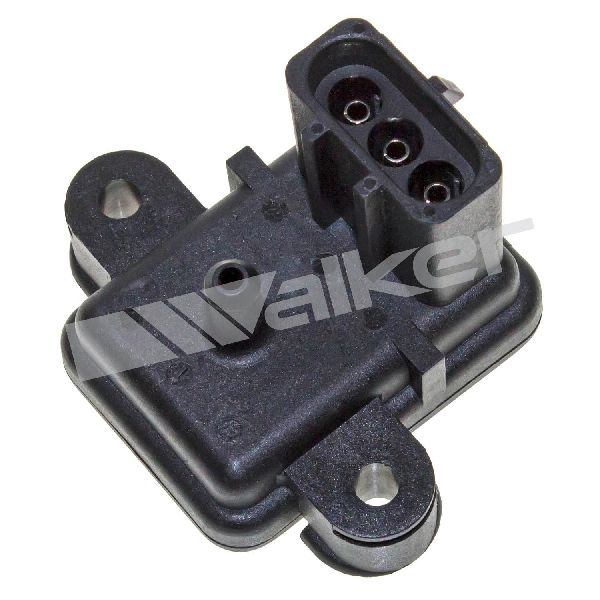
- Walker Products: Walker is another company with a long history, dating back to 1946. They state that their parts are designed to meet or exceed original equipment (OE) specifications. They are a common brand in major parts stores and are a solid, standard-grade replacement choice.
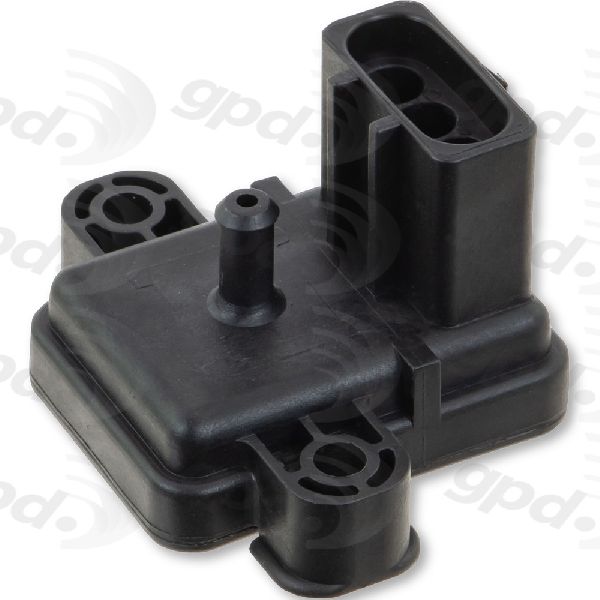
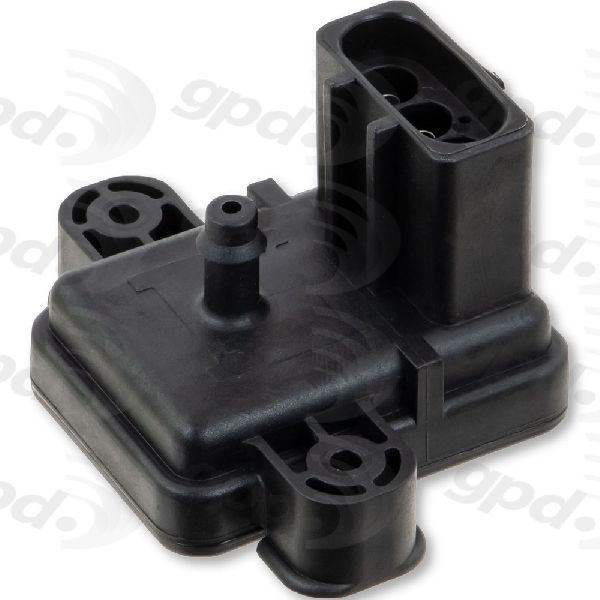
- Global Parts: This brand is less known and may be a private label for a larger parts distributor. Without a long track record or many public reviews, it's typically considered an economy or value-oriented option.
Pro Tip: When choosing an aftermarket sensor, stick with a brand that has a good reputation and offers a warranty. For a critical sensor like the MAP, spending a few extra dollars for a brand like Standard Ignition or Walker Products is often a good investment in reliability.
Installation and Cost
Replacing the MAP sensor on a first-generation Dakota is a straightforward job that most DIYers can handle in under 30 minutes. The sensor is typically located on the throttle body or firewall, held in place by two screws. The process involves removing the air cleaner housing for access, disconnecting the electrical connector and vacuum line, unscrewing the old sensor, and installing the new one.
| New Aftermarket Part | $54.27 - $73.46 |
| Estimated Shop Labor | $49 - $72 |
| Total Professional Replacement | $103 - $145 |
Frequently Asked Questions
Can I clean my old MAP sensor?
While some sensors can be cleaned, it is generally not recommended for MAP sensors. The internal components are delicate and sealed. Spraying cleaners into the vacuum port is unlikely to fix an electronic failure and may cause further damage. Given the reasonable cost of a new part, replacement is the most reliable option.
Is a Mopar (OEM) MAP sensor better than aftermarket?
While OEM parts are always a safe bet, they are likely discontinued or very expensive for a vehicle of this age. Reputable aftermarket brands like Standard Ignition and Walker Products are designed to function like the original and are a perfectly acceptable and necessary choice for keeping these classic trucks on the road.
What tools do I need to replace the MAP sensor?
You will likely only need basic hand tools. This typically includes a screwdriver or a socket set to remove the air cleaner assembly and the two screws holding the sensor in place. A Torx bit (often a T25) may be required for the sensor screws.
Do I need to reset the computer after replacing the sensor?
It is a good practice to reset the engine computer after replacing a sensor. You can do this by disconnecting the battery's negative terminal for about 10-15 minutes. This clears any stored fault codes and allows the computer to learn the values from the new sensor.
Technical Specifications
OEM Part Numbers: 4419498 4306024 5233920 4638194 5227151
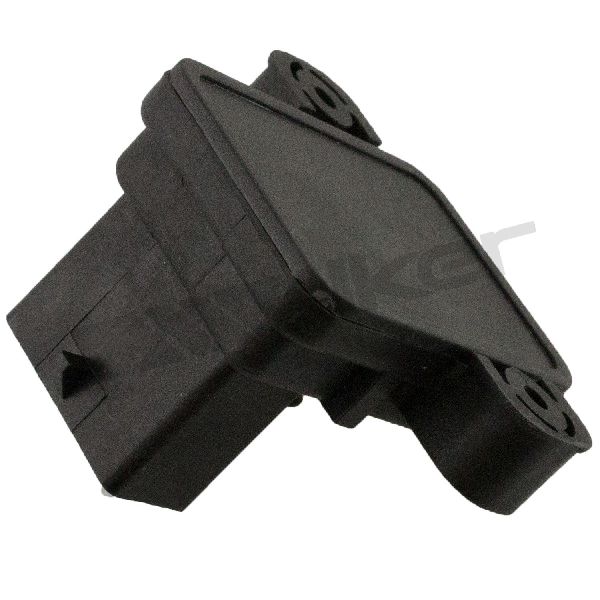
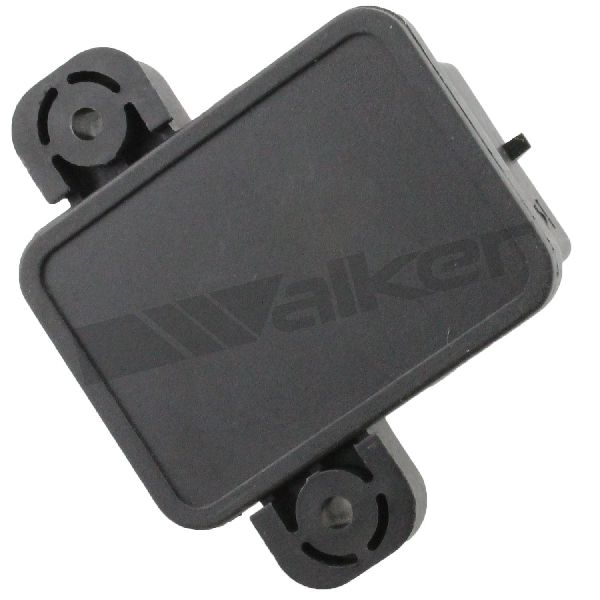
3-pin rectangular connector, bolt-on mount, vacuum hose port.
We Have This Part in Stock


The information in this article is provided for general reference and educational purposes only. Vehicle specifications, procedures, and part compatibility can vary by production date, trim level, and region. Always consult your vehicle's factory service manual and verify part numbers before purchasing or performing repairs. Safety-critical components such as airbags, seat belts, and braking systems should be installed by a qualified professional.
- Dodge Dakota: