

Choosing the Right Oxygen Sensor for Your 1987-1991 Ford F-150
Fix poor gas mileage and a rough idle by picking the correct new aftermarket oxygen sensor for your classic Ford truck.
- Your 1987-1991 F-150 likely has only one upstream oxygen sensor, making replacement simple and affordable.
- Symptoms of failure include poor gas mileage, rough idle, and a rotten egg smell from the exhaust.
- For best results, choose a sensor from an OE-equivalent brand like NGK/NTK, Denso, or Bosch.
- Ignoring a bad O2 sensor can lead to a damaged catalytic converter, a much more expensive repair.
Is Your F-150's Oxygen Sensor Failing?
An oxygen sensor won't last forever, and a bad one can cause real problems for your truck. If your F-150 is running rough, getting bad gas mileage, or smells like rotten eggs from the exhaust, the O2 sensor is a likely suspect. Because these sensors get lazy over time, you might not even get a check engine light, but you'll notice the poor performance and extra stops at the gas station.
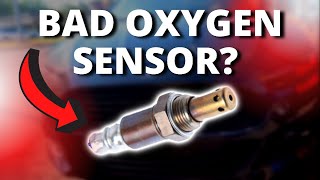
🎬 Watch: Learn more about common symptoms of a bad sensor.Common Symptoms of a Bad O2 Sensor:
- Noticeably worse fuel economy
- Rough or shaky idle
- Sluggish acceleration and loss of power
- Black smoke or a rotten egg smell from the tailpipe
- Failing an emissions test
Choosing the Right Aftermarket Brand
When it comes to electronic parts on these Ford trucks, not all brands are created equal. While an OEM Motorcraft part is always a safe bet, several aftermarket brands offer excellent quality and value. Sticking with a reputable brand is important, as cheap, no-name sensors can fail quickly or be inaccurate right out of the box.
Brand Quality Tiers
Based on owner experiences and mechanic recommendations, here’s how the available brands generally stack up for your F-150:
- Premium / OE-Equivalent (Best Choice): Brands like NGK (also known as NTK) and Denso are often the original equipment manufacturers for Ford and other automakers. They are widely considered the most reliable and long-lasting aftermarket choice. Bosch also invented the oxygen sensor and is a major OEM supplier, making it a top-tier option as well.
- Quality Aftermarket: Delphi and Spectra are established brands that produce reliable sensors. They are a solid choice if you're looking for a good balance between price and quality.
- Standard / Economy: Brands like Walker Products and DriveWire offer a budget-friendly option. While they can get the job done, some mechanics report a higher chance of early failure compared to premium brands. They can be a good choice for a quick fix, but may not have the longevity of the others.
Cost of Replacing Your Oxygen Sensor
Replacing the oxygen sensor on a 1987-1991 F-150 is one of the more affordable repairs you can make. The part itself is not expensive, and labor is minimal. Here is a general breakdown of what you can expect to pay:
| Item | Estimated Cost |
|---|---|
| New Aftermarket Sensor | $34.81 - $74.81 |
| New OEM (Motorcraft) Sensor | $58 - $95 |
| Shop Labor | $75 - $150 |
| Total Professional Replacement | $110 - $225 |
Frequently Asked Questions
How many oxygen sensors does my 1987-1991 F-150 have?
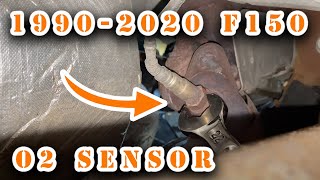
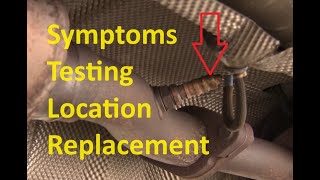
Your truck almost certainly has only one oxygen sensor. It is located "upstream," meaning it's in the exhaust pipe between the engine and the catalytic converter. Later model trucks (mid-90s and newer) have multiple sensors, but your generation keeps it simple.
Is this a difficult job to do myself?
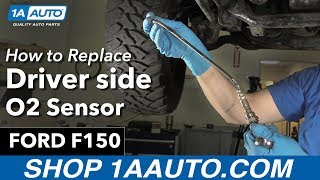
No, this is a great DIY job for beginners. 🎬 See this step-by-step walkthrough for replacing your F-150 sensor. The sensor is usually easy to access on the exhaust pipe underneath the truck. The main challenge is that the old sensor can be rusted in place. Spraying it with penetrating oil beforehand and using a special O2 sensor socket (which you can often rent from an auto parts store) makes the job much easier.
Can I just clean my old oxygen sensor?
While some people attempt to clean O2 sensors, it is not recommended and is rarely effective. The sensing element inside becomes contaminated or simply wears out over its 50,000-100,000 mile lifespan. Given the low cost of a new sensor, replacement is the only reliable solution.
What happens if I don't replace a bad O2 sensor?
You can continue driving, but it's not a good idea. Your engine will run inefficiently, wasting a lot of gas. More seriously, running too rich (too much fuel) for a long time can dump unburnt fuel into your exhaust, which can overheat and destroy your catalytic converter—a much more expensive part to replace.
Do I need a heated or unheated sensor?
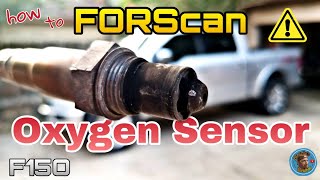
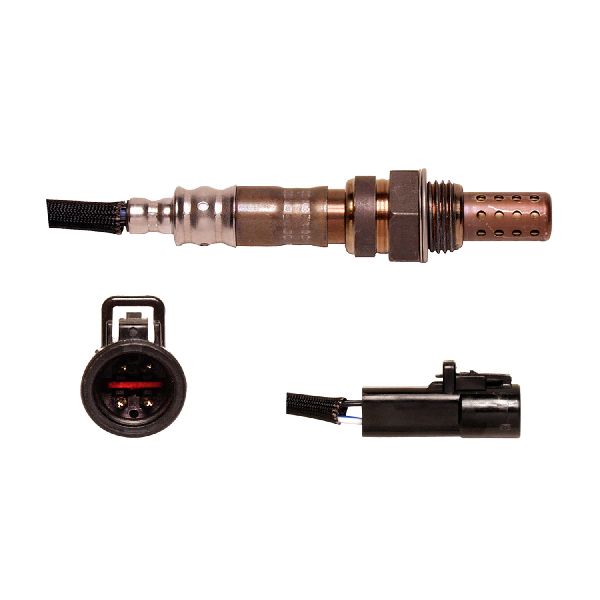
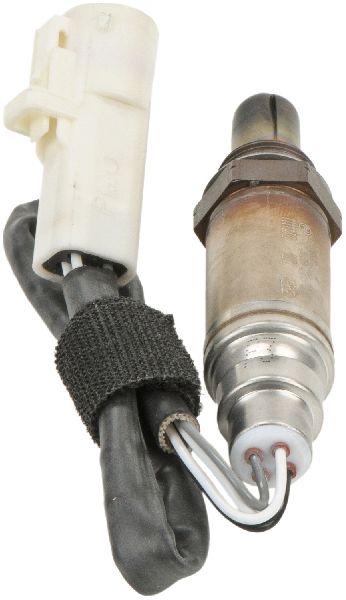
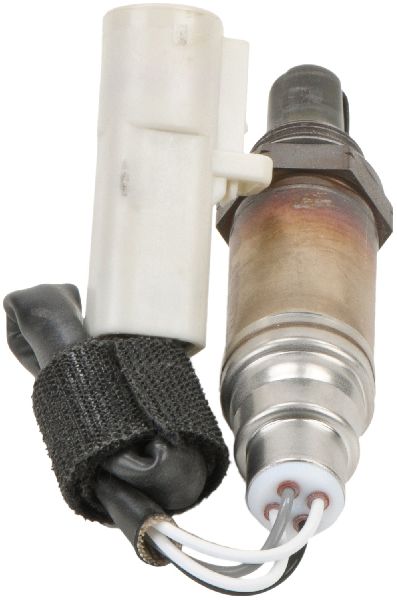
Most 1987-1991 F-150s use a 3-wire or 4-wire heated oxygen sensor. The heater brings the sensor up to operating temperature quickly, which improves accuracy when the engine is cold. Always check the connector and wire count on your old sensor to ensure you buy the correct replacement. 🎬 Watch: How to use Forscan for troubleshooting your oxygen sensor. Using the wrong type can cause performance issues.
Helpful Videos
Technical Specifications
OEM Part Numbers: E7TZ-9F472-A F1UZ-9F472-A GU2Z-9G444-A
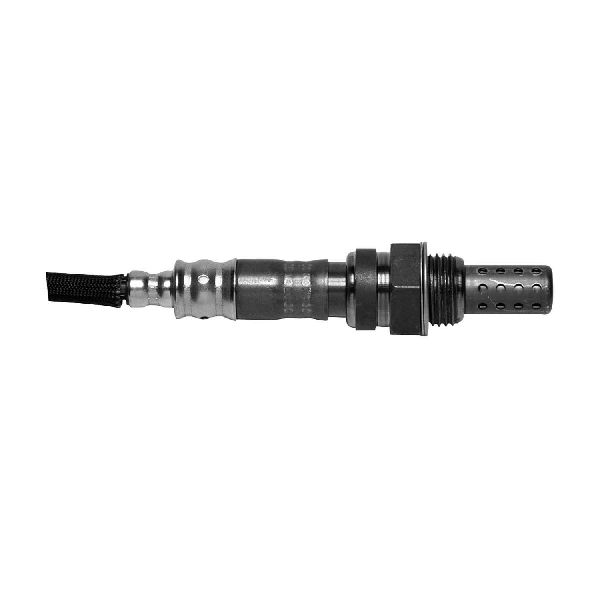
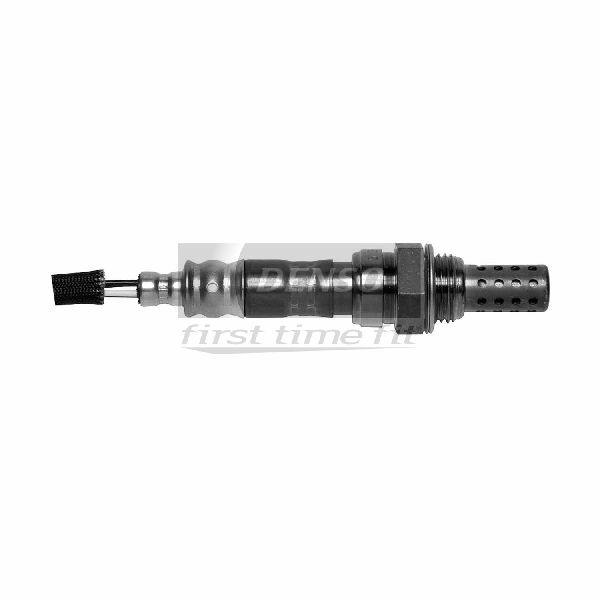
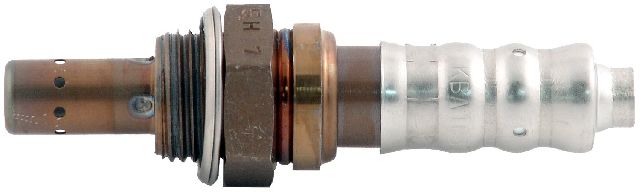
Most models from this period use a 3-wire or 4-wire heated oxygen sensor with a threaded M18x1.5 body. The wrench size is typically 22mm (7/8"). Always verify the wire count and connector shape against your original part.
We Have This Part in Stock

The information in this article is provided for general reference and educational purposes only. Vehicle specifications, procedures, and part compatibility can vary by production date, trim level, and region. Always consult your vehicle's factory service manual and verify part numbers before purchasing or performing repairs. Safety-critical components such as airbags, seat belts, and braking systems should be installed by a qualified professional.
- Ford F-150: