

Choosing the Right Starter Motor for Your 1987-1991 GMC R3500
Don't let a bad starter leave your heavy-duty GMC R3500 stranded; understand your options before you buy.
- Always test the battery and clean all cable connections before condemning the starter.
- Heat soak is a very common problem; consider upgrading to a gear-reduction starter or adding a heat shield to solve it.
- Performance brands like Powermaster offer high-torque starters that are a popular upgrade for better cranking on big V8s.
- Replacement is a manageable DIY job, typically requiring only basic hand tools and 1-2 hours.
Is Your R3500 Starter Failing?
A failing starter on your GMC R3500 will usually give you a few warnings before it leaves you stuck. Recognizing these signs early can save you from a tow truck. The most common issue owners face is the infamous "click, no crank." This happens when you turn the key, hear a single click from the engine bay, but the engine doesn't turn over. This often points to a problem with the starter's solenoid.
Another key symptom is a slow or sluggish engine crank. It might sound like the battery is weak, but if the battery is healthy, the starter motor itself is likely wearing out and struggling to spin the heavy V8 engine. You might also hear a grinding or whirring noise after the engine has started, which suggests the starter gear isn't retracting properly.
A Common Problem: Heat Soak
One of the most frequent complaints for this generation of GM truck is starter "heat soak." The starter is mounted close to the hot exhaust manifold. After a long drive, this heat can saturate the starter and its solenoid, dramatically increasing electrical resistance. The result? You shut off your hot engine, run into a store, and when you come back out, the truck just clicks or cranks very slowly. After it cools down for 15-30 minutes, it might start just fine. This is a classic sign of heat soak.
Choosing the Right Aftermarket Starter
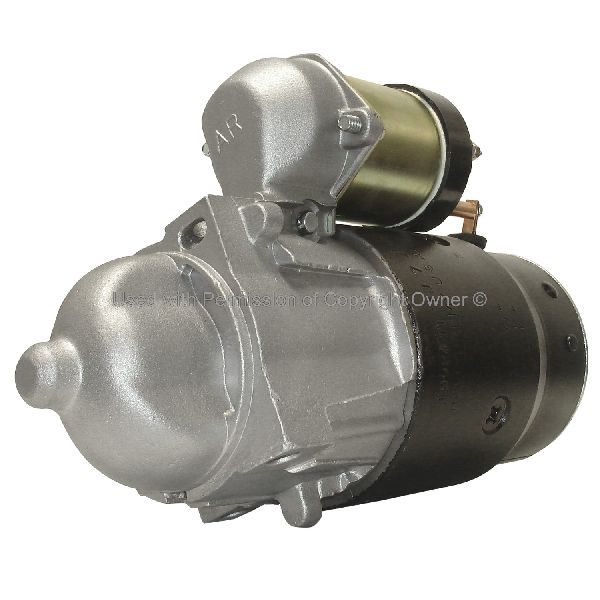
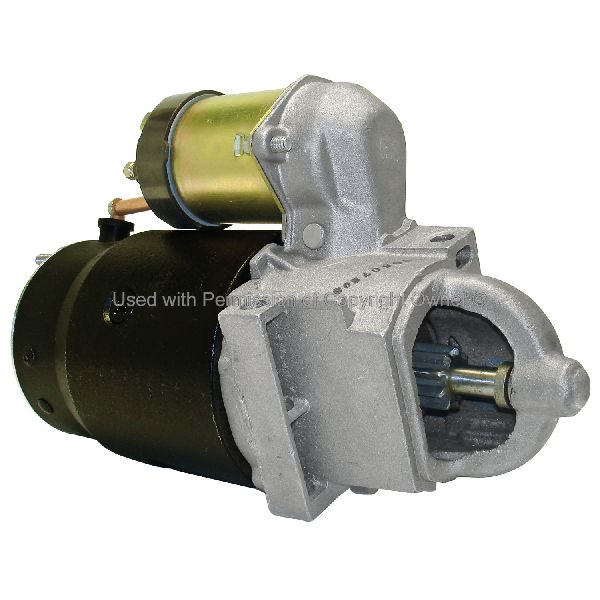
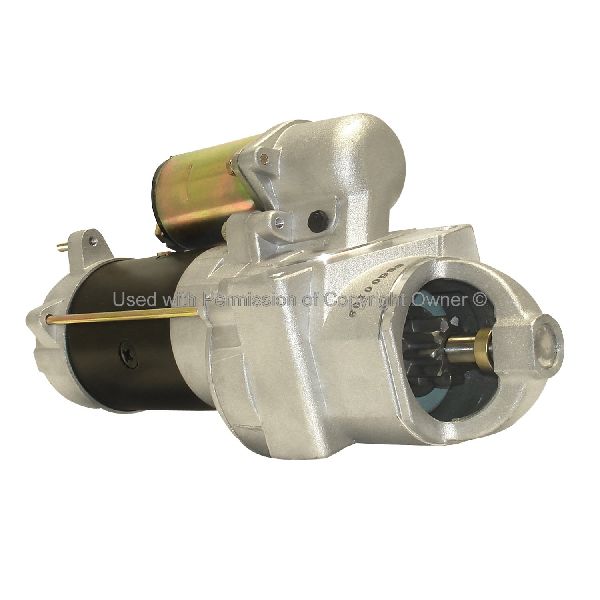
For a truck of this age, new original equipment (OEM) starters are generally not available. The choice is between remanufactured and new aftermarket units. Aftermarket starters often provide significant advantages over the original design.
Standard vs. High-Torque Gear Reduction Starters
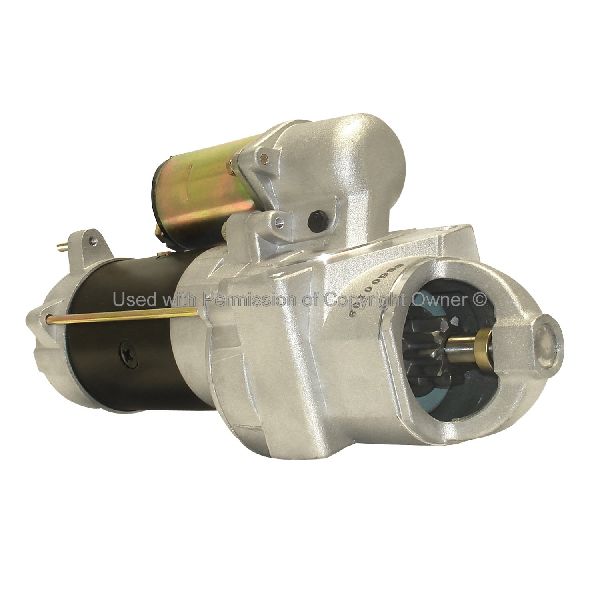
The original starter on your R3500 is a direct-drive unit. Many aftermarket options are "gear reduction" or "high-torque" starters. These use internal gears to multiply the motor's torque, allowing a smaller, lighter motor to produce more cranking force. This is a major advantage for the large engines in these trucks.
- Benefits of Gear Reduction: They spin the engine faster for quicker starts, draw less amperage from the battery, and are often physically smaller, which improves clearance from the hot exhaust and helps fight heat soak.
Brand Tiers for Your R3500
When shopping for a new starter, you'll find a range of brands at different price points. Not all are created equal.
- Performance Tier (Powermaster, Proform): Brands like Powermaster are well-regarded for their high-torque, gear-reduction starters. They are an excellent upgrade to solve heat soak problems or for trucks with modified, high-compression engines. While more expensive, they are known for reliability and superior cranking power.
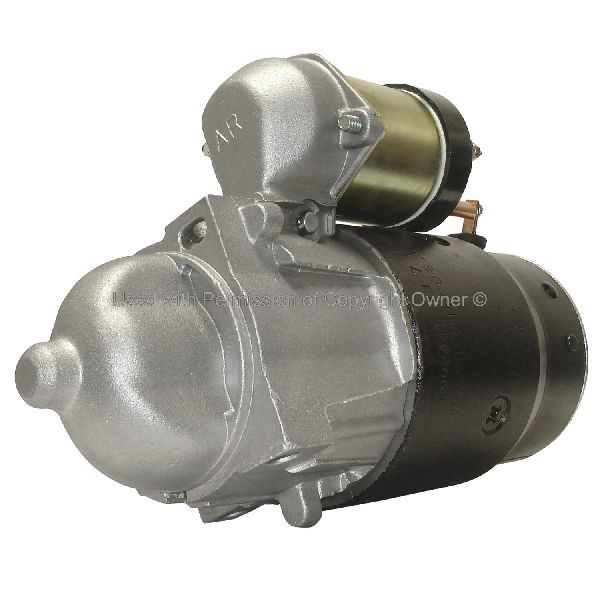
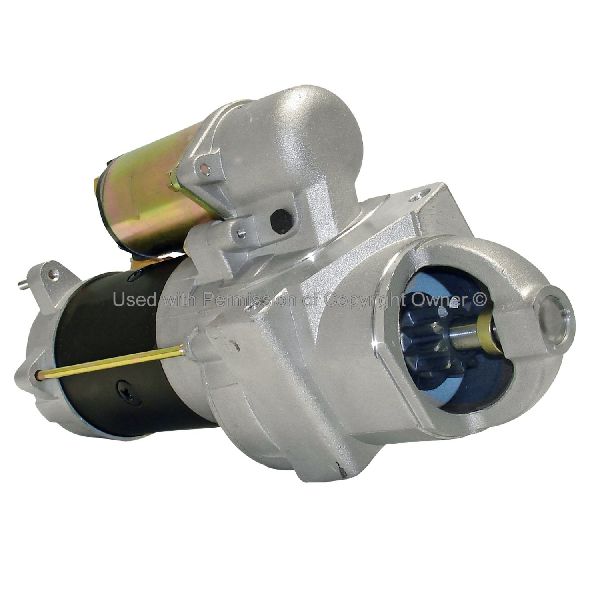
- Standard Replacement Tier (MPA): Motorcar Parts of America (MPA) produces quality, reliable starters that are designed to meet or exceed original specifications. These are a dependable choice for a stock truck that needs a solid, direct-fit replacement without the higher cost of a performance-oriented unit.
Pro Tip: Before you replace the starter, always check the simple things first. Ensure your battery is fully charged and have it load-tested. Clean any corrosion from the battery terminals and check that the main cables and the smaller wires at the starter itself are clean, tight, and not damaged. A bad connection can easily mimic a failed starter.
Estimated Replacement Costs
The cost to replace the starter on your 1987-1991 GMC R3500 will depend on the type of part you choose and whether you do the work yourself.
| Item | Estimated Cost |
|---|---|
| New Aftermarket Starter | $95 - $434 |
| Remanufactured Starter | $80 - $250 |
| Shop Labor | $120 - $350 |
| Total Professional Replacement | $215 - $784 |
Frequently Asked Questions
Do I need a heat shield for my new starter?
If you are installing a standard, direct-drive style starter, a heat shield or insulating blanket is highly recommended to prevent heat soak, a common issue on these trucks. If you upgrade to a smaller, gear-reduction starter, you may have enough clearance from the exhaust to avoid the issue, but a shield is still cheap insurance against heat-related failure.
How do I know if it's the starter or the battery?
A classic sign of a weak battery is that the interior lights dim significantly or go out completely when you try to crank the engine. If the lights stay bright but you only hear a click, the problem is more likely the starter or its connections. The best way to be sure is to have your battery professionally load-tested at an auto parts store.
What are starter shims and will I need them?
Starter shims are thin metal plates used to adjust the distance between the starter gear and the engine's flywheel. If the distance is wrong, you can get grinding noises or damage the gears. While not always needed, it's a good idea to have a set on hand. Some new starters come with shims and a small tool to check the clearance.
Is replacing the starter a DIY job?
Yes, for someone with moderate mechanical experience. The job requires working under the truck, but the starter is typically held on by just two bolts and the electrical connections. Always disconnect the battery's negative terminal before starting work.
Technical Specifications
Varies by engine (350ci, 454ci) and transmission. Common configurations use a 2-bolt staggered mounting pattern. Aftermarket options include both original direct-drive style and upgraded gear-reduction models. Some applications may require shims for proper alignment.
We Have This Part in Stock

The information in this article is provided for general reference and educational purposes only. Vehicle specifications, procedures, and part compatibility can vary by production date, trim level, and region. Always consult your vehicle's factory service manual and verify part numbers before purchasing or performing repairs. Safety-critical components such as airbags, seat belts, and braking systems should be installed by a qualified professional.
- GMC R3500: