

1987-1991 GMC V3500 Distributor Ignition Pickup Replacement and Information
Fix stalling, no-start, and rough running conditions by understanding and replacing the ignition pickup in your heavy-duty truck.
- A failing ignition pickup is a very common cause of no-spark, stalling, and no-start problems on these trucks.
- Replacement requires removing the distributor and partially disassembling it, so be sure to mark the timing position before removal.
- Choose a quality aftermarket brand like Delphi or Standard Ignition to ensure a reliable repair.
- Consider replacing the distributor cap, rotor, and ignition control module at the same time for preventative maintenance.
Is Your GMC V3500 Stalling or Refusing to Start? It Could Be the Ignition Pickup
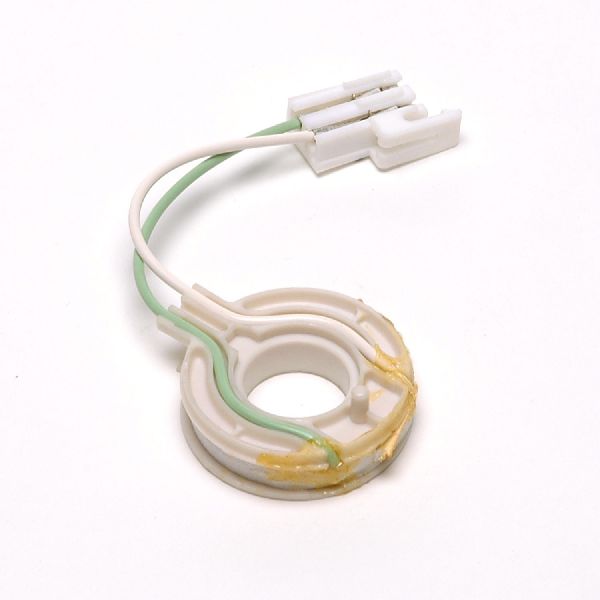
If you're dealing with sudden engine stalls or a crank-no-start situation with your 1987-1991 GMC V3500, a faulty distributor ignition pickup is a likely suspect. This part lives inside the distributor and is exposed to constant heat, which can cause its internal wiring to fail over time. When it goes bad, it stops sending the essential timing signal to the ignition module, leading to a no-spark condition that will leave you stranded.
Key Failure Symptoms
- Sudden Engine Stalling: The engine cuts out while driving as if you turned the key off. It might restart after cooling down, but the problem will return.
- No-Start Condition: The engine cranks over but will not fire up because there is no spark being generated.
- Engine Misfires and Rough Idle: An intermittent signal from a failing pickup can cause the engine to run poorly, shake, or sputter.
- No Spark from the Coil: A primary diagnostic step is to check for spark coming from the ignition coil. If there's no spark, the pickup coil and ignition module are the main suspects.
Choosing the Right Aftermarket Ignition Pickup
For a vehicle of this age, aftermarket parts are the most common and accessible option. The original GM part may be difficult to find or discontinued. Fortunately, reputable aftermarket brands offer quality replacements. The key is to choose a trusted brand to avoid doing the job twice.
- Delphi: Delphi is a well-respected brand with a history as a GM original equipment (OE) supplier. Choosing a Delphi part often means you are getting a component built to a similar standard as the factory original. They are known for good performance and reliability.
- Standard Ignition (Standard Motor Products): Standard Motor Products (SMP) is a top-tier aftermarket manufacturer. They are a trusted name in ignition components and offer parts that meet or exceed OEM specifications. Many professional mechanics rely on Standard parts for their quality and durability.
Pro Tip: While replacing the ignition pickup, it's a good idea to also inspect the distributor cap, rotor, and ignition control module (ICM). These parts work together and are exposed to the same heat and wear. Replacing them at the same time can save you from another breakdown in the near future.
Distributor Ignition Pickup Replacement Cost
The cost to replace the distributor ignition pickup is reasonable, especially if you can do the work yourself. The part itself is not expensive, but the job requires removing and disassembling the distributor, which adds to labor time in a shop.
| Part/Service | Estimated Cost |
|---|---|
| New Aftermarket Pickup Coil | $28.95 - $57.39 |
| Shop Labor | $150 - $250 |
| Total Estimated Cost (Installed) | $180 - $310 |
Frequently Asked Questions (FAQ)
Can I test my distributor ignition pickup?
Yes, you can test it with a multimeter. With the meter set to ohms, you should get a reading between 500 and 1500 ohms across the two terminals of the pickup coil's connector. You should also check for an AC voltage signal while cranking the engine, which should be between 0.5 and 1.5 volts AC. An open circuit (infinite resistance) or a failed voltage test indicates a bad pickup coil.
Is replacing the ignition pickup a DIY job?
This job is manageable for a DIYer with some mechanical experience. It requires removing the distributor from the engine, which means you must mark its position carefully to maintain correct ignition timing. The distributor must then be partially disassembled on a workbench to access the pickup coil. If you are not comfortable setting engine timing, it may be best to leave this job to a professional.
What's the difference between the ignition pickup and the ignition module?
The ignition pickup (or pickup coil) is the sensor that generates the timing signal. The ignition control module (ICM) is an electronic component, often mounted on the distributor, that receives the signal from the pickup and then switches the ignition coil on and off to create a high-voltage spark. Both can cause a no-spark condition when they fail, and they are often replaced at the same time.
Are there any recalls for the 1987-1991 GMC V3500 ignition system?
Searches on the National Highway Traffic Safety Administration (NHTSA) database did not show any specific recalls for the distributor ignition pickup on the 1987-1991 GMC V3500. While GM has had major recalls for ignition switches on other vehicles, those do not apply to this truck.
Technical Specifications
OEM Part Numbers: D1987
Located inside the HEI distributor. Generates a low-voltage AC signal for the ignition module. Resistance should be between 500-1500 ohms.
We Have This Part in Stock


The information in this article is provided for general reference and educational purposes only. Vehicle specifications, procedures, and part compatibility can vary by production date, trim level, and region. Always consult your vehicle's factory service manual and verify part numbers before purchasing or performing repairs. Safety-critical components such as airbags, seat belts, and braking systems should be installed by a qualified professional.
- GMC V3500: