

1987-1991 GMC V3500 Engine Coolant Temperature Sensor Guide
Solving engine problems on your square body V3500 often starts with this simple, inexpensive sensor.
- Your truck has two sensors: one for the engine computer (ECT Sensor) and one for the dash gauge (Sender). Identify the correct one before buying.
- A bad ECT sensor typically causes the engine to run rich, leading to poor fuel economy and hard starting when warm.
- For this truck, a quality aftermarket brand like Delphi or Standard Ignition is a reliable and economical choice.
- Replacement is a simple DIY job that can be done in under 30 minutes with basic tools.
Understanding the Two Temperature Sensors on Your V3500
It is critical to know that your 1987-1991 GMC V3500 has two separate temperature sensors. Ordering the wrong one is the most common mistake. They are not interchangeable.
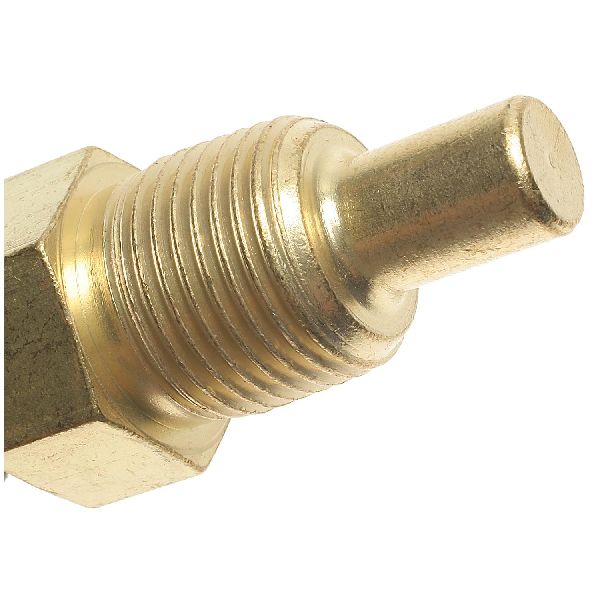
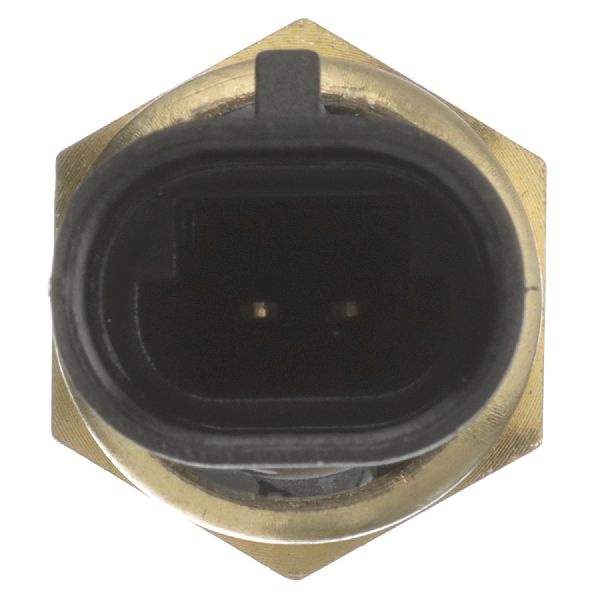
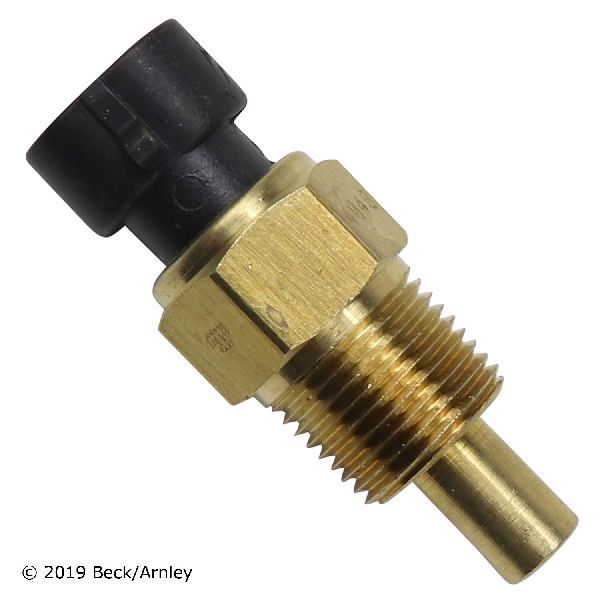
- Engine Coolant Temperature (ECT) Sensor: This sensor sends information to the truck's computer (ECM). It has a two-wire connector and is usually located on the front of the intake manifold. A bad ECT sensor will cause engine performance issues. This is the part this guide focuses on.
- Temperature Gauge Sender: This unit sends information only to the temperature gauge on your dashboard. It typically has a single wire. It is usually located on the driver's side cylinder head between the #1 and #3 spark plugs. A failure here will only affect the gauge reading, not how the engine runs.
Symptoms of a Failing ECT Sensor
When the main ECT sensor for the ECM fails, it can send incorrect information. If the sensor tells the ECM the engine is cold when it's actually warm, the computer will continuously command a rich fuel mixture. This leads to several noticeable problems:
- Poor Fuel Economy: The engine runs rich, wasting gas.
- Black Smoke from Exhaust: A sign of unburned fuel from a rich condition.
- Rough Idle: The fuel and air mixture is not correct for the engine's actual temperature.
- Hard Starting When Warm: The engine gets too much fuel (flooding) because the ECM thinks it's cold.
- Check Engine Light: On these OBD-I trucks, a failing sensor can trigger a code.
Is it the Sensor or the Thermostat?
A stuck-open thermostat can prevent the engine from reaching full operating temperature. This can mimic a bad sensor by causing a rich fuel mixture and poor fuel economy. If you are replacing a sensor on a high-mileage truck, consider replacing the thermostat at the same time.
Choosing the Right Aftermarket Sensor
For a vehicle of this age, a quality aftermarket sensor is a reliable and cost-effective choice. The technology is well-established, and you don't need to pay a premium for a dealer part. However, not all aftermarket brands are created equal.
- Top Tier (OE Quality): Brands like Delphi and Standard Ignition (SMP) are known for making parts that meet or exceed original specifications. They are often original equipment manufacturers for GM and are a trusted choice for reliability.
- Mid Tier (Variable Quality): Beck Arnley is a re-boxer, meaning they source parts from various manufacturers. You might get a high-quality German-made part or a lower-quality Chinese part in the same box. It can be a gamble, though many users have success with them.
- Standard Tier: Brands like Four Seasons, Hella, Holstein, and others generally offer dependable parts that are a good value for the price. For a simple sensor like this, they are usually a safe bet.
Pro Tip: Before installing the new sensor, it's a good idea to check its resistance with a multimeter when cold. For these GM trucks, a cold sensor should read around 1300-1400 ohms. This quick check can prevent you from installing a defective part.
Cost of a New Aftermarket ECT Sensor
| Part Type | Price Range |
|---|---|
| New Aftermarket ECT Sensor | $12.58 - $37.74 |
Frequently Asked Questions
Can I replace the ECT sensor myself?
Yes, this is a very simple job for a DIY mechanic. It requires basic hand tools, like a deep socket and ratchet. The key is to let the engine cool completely before starting.
Where is the ECT sensor located?
The main ECT sensor for the computer is almost always located on the front of the intake manifold, near the thermostat housing. Do not confuse it with the single-wire sender for the gauge, which is on the cylinder head.
Will I lose a lot of coolant when I change it?
You will lose a small amount of coolant when you unscrew the old sensor. To minimize the loss, have the new sensor ready to go. Unscrew the old one and quickly thread the new one into the hole by hand to plug it. You can then tighten it properly. Always top off the coolant afterward.
Are there any recalls for this part?
No, there are no open recalls or common Technical Service Bulletins (TSBs) from GM for the engine coolant temperature sensor on the 1987-1991 GMC V3500.
Technical Specifications
Location: Intake Manifold (for ECM) or Cylinder Head (for gauge). Connector: Two-pin (for ECM) or single-pin (for gauge). Cold Resistance (approx. 70°F): ~1365 Ohms. Hot Resistance (approx. 200°F): ~55 Ohms.
We Have This Part in Stock



The information in this article is provided for general reference and educational purposes only. Vehicle specifications, procedures, and part compatibility can vary by production date, trim level, and region. Always consult your vehicle's factory service manual and verify part numbers before purchasing or performing repairs. Safety-critical components such as airbags, seat belts, and braking systems should be installed by a qualified professional.
- GMC V3500: