

Jeep Wrangler YJ Crankshaft Position Sensor Guide (1987-1991)
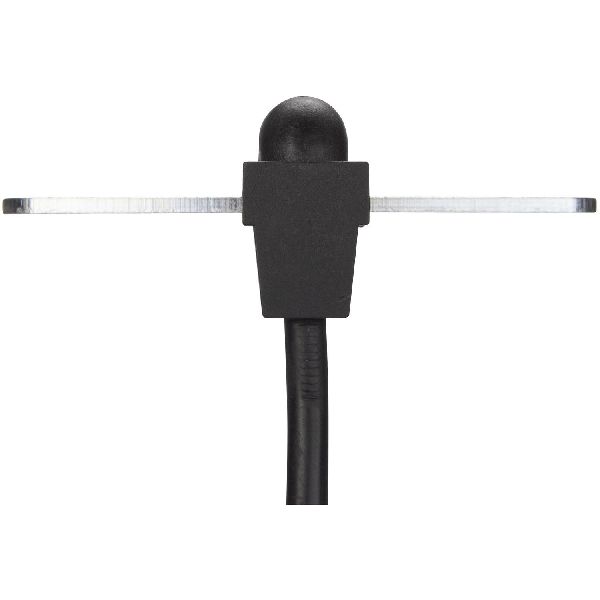
Having trouble with your YJ stalling or not starting? Your crankshaft position sensor might be the culprit.
- A failing crankshaft sensor is a top cause for a 'crank, no start' condition or stalling when hot in a YJ Wrangler.
- The sensor is located in a hard-to-reach spot on the driver's side of the transmission bellhousing.
- Avoid the cheapest aftermarket sensors; they have a high failure rate. Opt for a quality brand like Standard (SMP) or NTK, or at least a mid-tier brand like Crown or Dorman.
- Because this part can leave you stranded, consider buying a quality replacement and keeping your old one (or a new spare) in the Jeep.
Is Your YJ's Crank Sensor Failing?

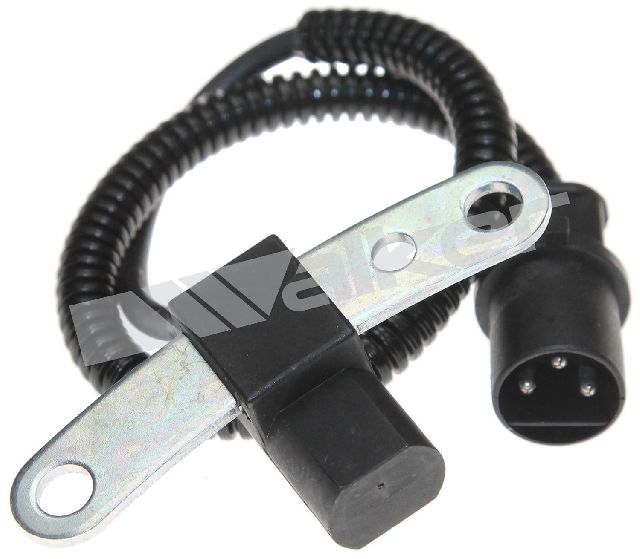
The crankshaft position sensor on the 1987-1991 Jeep Wrangler YJ is a very common failure point. Due to its location on the transmission bellhousing, it's exposed to intense heat from the engine and exhaust. This heat can cause the sensor's internal electronics to fail over time, especially when the engine is hot. The most common sign of a failing CPS is a "crank, no start" condition, where the engine turns over but never fires up. You might also experience intermittent stalling, where the engine dies for no reason while driving and may restart after it has cooled down.
Code 11 for 1987-1990 Models
For YJ models from 1987-1990 with the older Renix computer system, a failing crankshaft position sensor will often trigger a Code 11. You can check for codes without a scanner using the key-on, key-off method. For 1991 and newer models, you would need a diagnostic tool.
Choosing the Right Aftermarket Sensor

When it comes to critical sensors like the CPS, quality matters. While a genuine Mopar sensor was the original standard, they are often discontinued or very expensive. This leaves the aftermarket. Forum discussions among Jeep owners frequently warn against using the cheapest available sensors, as they have a reputation for failing quickly, sometimes within weeks or months. It's often worth spending a bit more for a reputable brand to avoid doing the job twice.
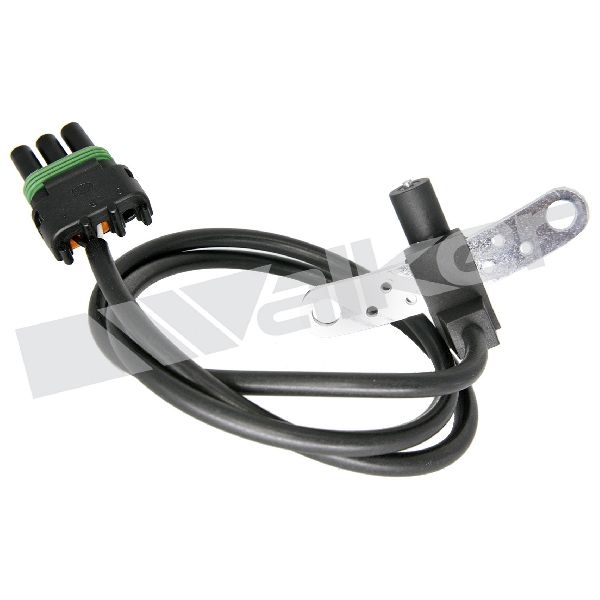
🎬 See this walkthrough for a successful YJ sensor replacement- Good Quality / Higher-Tier: Brands like Standard Motor Products (SMP), NTK, and Walker Products are generally considered reliable choices by the Jeep community. They are known for better quality control and durability, closer to the original OEM part.
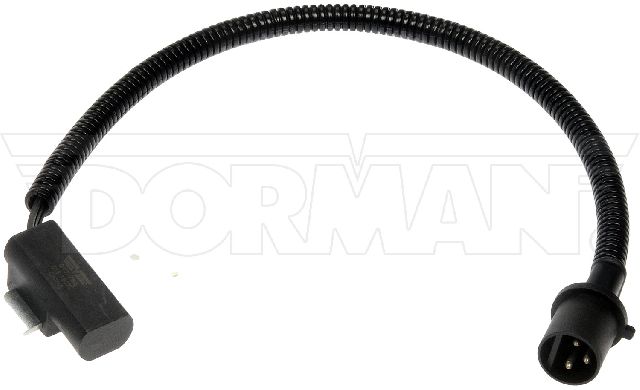
- Standard / Mid-Tier: Brands like Crown Automotive and Dorman offer a balance of affordability and quality. They are widely available and a common choice, though some owners report mixed experiences.
- Economy / Lower-Tier: The lowest-priced sensors available online or in parts stores can be a gamble. While the low price is tempting, their failure rate is higher. Many mechanics advise buying a better brand or, if you buy a cheap one, to consider keeping a spare.
Pro Tip: Buy Two?
Because this sensor is a known weak point and can leave you stranded, some experienced YJ owners recommend buying two sensors. Install one and keep the other in your glove box as a spare. This way, if it fails on the trail, you have a replacement ready to go.
Cost of Replacing the Crankshaft Position Sensor
| Part Type | Estimated Cost |
|---|---|
| New Aftermarket | $26.94 - $74.67 |
| New OEM (Mopar) | $70 - $120+ (if available) |
| Used OEM | $25 - $50 |
| Shop Labor | $84 - $124 |
Frequently Asked Questions (FAQ)

Where is the crankshaft position sensor located on a 1987-1991 YJ?
The sensor is mounted to the driver's side of the transmission bellhousing, near the top, at roughly the 10 or 11 o'clock position. 🎬 Watch: How to locate and test your YJ's sensor It can be difficult to see and reach from above or below without long extensions and a swivel socket.
🎬 Watch: A helpful guide to replacing the 4.0L sensorCan I test my old sensor before replacing it?
Yes, you can test it, but results can be misleading. For 1987-1990 Renix models, you can test the sensor with an ohmmeter. For 1991+ Hall-effect sensors, you need to use a multimeter set to DC volts and slowly turn the engine by hand, looking for the voltage to switch between 5 volts and 0 volts. However, a sensor can test good when cold but still fail when it gets hot, which is a very common failure mode.
Why do aftermarket sensors fail so often?
Failures can be due to lower quality internal components, less robust insulation, or poor wiring that can't withstand the high heat from the engine and exhaust. Sometimes, a new sensor fails because of an existing problem, like a damaged wiring harness connector or a short in the wiring, not because the sensor itself was bad.
Are there any recalls for this part on my YJ?
No, searches of the National Highway Traffic Safety Administration (NHTSA) database did not show any recalls specifically for the crankshaft position sensor on 1987-1991 Jeep Wrangler models. Recalls found were for much newer Jeep models.
Helpful Videos


Technical Specifications
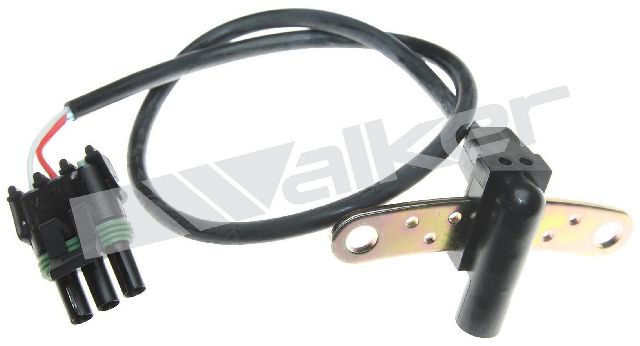
OEM Part Numbers: 56026882
Varies by engine and year. 1987-1990 models use a Renix-style sensor, while 1991 models use a Hall-effect sensor. Connectors and part numbers differ.
We Have This Part in Stock


The information in this article is provided for general reference and educational purposes only. Vehicle specifications, procedures, and part compatibility can vary by production date, trim level, and region. Always consult your vehicle's factory service manual and verify part numbers before purchasing or performing repairs. Safety-critical components such as airbags, seat belts, and braking systems should be installed by a qualified professional.
- Jeep Wrangler: