

Choosing the Right Distributor Cap for Your 1987-1991 Toyota Celica
If your classic Celica is running rough, the problem could be a simple, inexpensive ignition part.
- You must match the new cap to your specific engine (e.g., 3S-FE, 5S-FE) as they are not all the same.
- Always replace the distributor rotor at the same time as the cap for a complete repair.
- To avoid firing order problems, transfer the spark plug wires from the old cap to the new one, one by one.
- Look for aftermarket caps with solid brass terminals, as they offer better durability and conductivity than aluminum.
Is Your Celica's Distributor Cap Failing?
A distributor cap is a wear-and-tear item. Over time, the high voltage creates carbon tracks and corrosion on the metal contacts inside. The plastic can also develop tiny cracks from heat and age, allowing moisture to get in and disrupt the spark. When this happens, your engine's performance will suffer.
Common symptoms of a bad distributor cap on a 1987-1991 Celica include:
- Engine Misfires: The engine may stumble or hesitate, especially when accelerating.
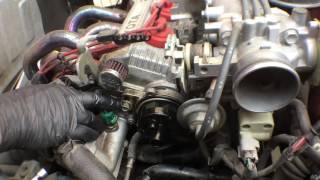
- Rough Idle: The car might shake or run unevenly when stopped. 🎬 Watch this step-by-step guide to fixing a rough idle.
- Hard Starting: The engine cranks but takes a long time to start, or won't start at all.
- Stalling: The engine may cut out unexpectedly while driving or at a stop light.
- Check Engine Light: On models equipped with it, a severe misfire can trigger the check engine light.
Visual Inspection is Key
You can often diagnose a bad cap just by looking at it. Remove the two or three screws or clips holding it down and inspect the inside. Look for white, chalky corrosion on the metal terminals, black carbon tracks between them, or any visible cracks in the plastic. If you see any of these, it's time for a replacement.
Choosing the Right Aftermarket Cap
For a vehicle like the '87-'91 Celica, you have a choice between original equipment (OEM) and aftermarket parts. While Toyota's OEM parts (often made by Denso) are high quality, a good aftermarket part can offer similar performance for less money.
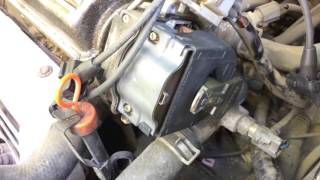
The most important factor is getting the correct cap for your Celica's specific engine. During this period, Celicas came with several different 4-cylinder engines, such as the 3S-FE, 3S-GE, and 5S-FE, 🎬 See a walkthrough for changing the distributor on a 5S-FE. and they may use different distributor caps. Always verify the part fits your exact year and engine model.
Pro Tip: When choosing an aftermarket cap, look for one with solid brass terminals instead of aluminum. Brass is a better conductor and is more resistant to corrosion and pitting, which can lead to a longer service life. Brands like Standard Ignition (Standard Motor Products) are a common choice and often provide options with these higher-quality contacts.
Cost of a New Distributor Cap (1987-1991 Toyota Celica)
| Part Type | Estimated Cost |
|---|---|
| New Aftermarket | $16.51 - $83.53 |
| New OEM (Toyota/Denso) | $25 - $90 |
| Shop Labor | $50 - $100 |
Cost estimates are for the part only, except for labor. Prices can vary based on brand, retailer, and location.
Frequently Asked Questions
How often should I replace the distributor cap?
There is no strict interval, but it's a good idea to inspect it during a major tune-up every 30,000 miles or so. It's a maintenance item that should be replaced when it shows signs of wear, corrosion, or damage. Many owners replace it along with the distributor rotor and spark plug wires as a set.
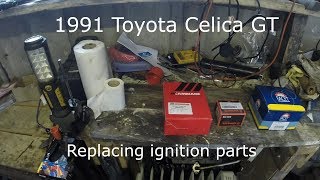
🎬 Watch how to replace your distributor and spark plugs together.Do I need to replace the rotor with the cap?
Yes, it is highly recommended. The rotor is the spinning part that makes contact with the cap, and it wears out at the same rate. It's an inexpensive part and replacing both at the same time ensures the entire secondary ignition system is refreshed.
What happens if I mix up the spark plug wires?
Mixing up the spark plug wires will cause the engine to run very poorly, backfire, or not start at all. The firing order will be incorrect, meaning spark is being sent to the wrong cylinders at the wrong time. To avoid this, transfer the wires from the old cap to the new cap one at a time.
Is an expensive distributor cap better?
Not always, but quality matters. A higher price often reflects better materials, like brass terminals instead of aluminum, and a more durable plastic housing. For an essential ignition component, it's worth spending a little more on a quality aftermarket brand or an OEM part rather than choosing the cheapest option available.
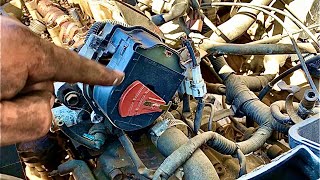
Helpful Videos
Technical Specifications
OEM Part Numbers: 19101-74030 19101-74090 19101-74110 19101-88363 19101-35120 19101-74180
Varies by engine. Typically made of high dielectric strength polyester resin with 5 contact points (4 for cylinders, 1 for the coil). Terminals can be aluminum or brass.
We Have This Part in Stock


The information in this article is provided for general reference and educational purposes only. Vehicle specifications, procedures, and part compatibility can vary by production date, trim level, and region. Always consult your vehicle's factory service manual and verify part numbers before purchasing or performing repairs. Safety-critical components such as airbags, seat belts, and braking systems should be installed by a qualified professional.
- Toyota Celica: