

A Comprehensive Guide to the 1987-1992 Buick Skylark Throttle Position Sensor
If your Skylark suffers from rough idling, poor acceleration, or erratic shifting, the throttle position sensor could be the reason.
- A bad TPS is a common cause of hesitation, rough idle, and incorrect transmission shifting on the 1987-1992 Skylark.
- Replacement is an easy DIY job, requiring only basic tools to remove two screws on the throttle body.
- For best results, choose a quality aftermarket brand like Delphi or Standard Ignition, as OEM parts are scarce.
- The new sensor must be properly adjusted by rotating it to achieve the correct idle voltage, which can be checked with a multimeter.
Understanding the Throttle Position Sensor in Your Skylark
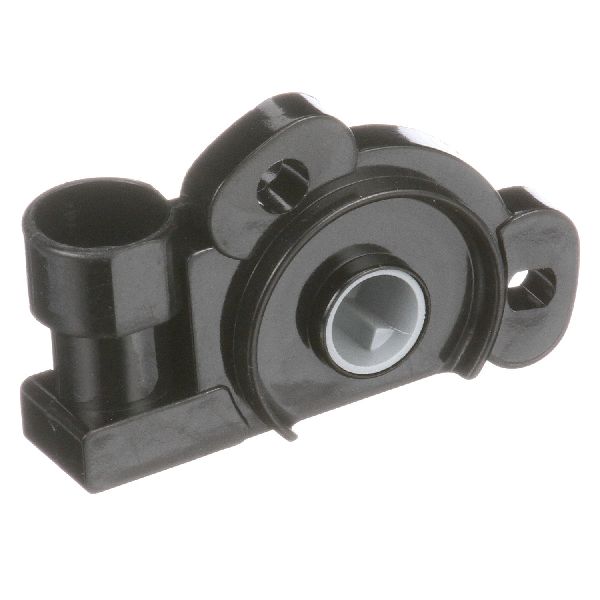
The throttle position sensor (TPS) is a key player in your 1987-1992 Buick Skylark's performance. It acts as a bridge between your foot on the gas pedal and the car's computer. This sensor tells the computer the exact position of the throttle plate, allowing it to make constant adjustments for optimal engine performance. Because it is a moving part that is constantly in use, the internal contacts can wear out over time, leading to incorrect signals being sent to the computer. This can cause a variety of noticeable driving problems.
Common Symptoms of a Failing TPS
A bad throttle position sensor can make your car difficult or unpredictable to drive. Here are the most common signs that your Skylark's TPS may need replacement:
- Hesitation and Lack of Power: You press the gas pedal, but the car stumbles or feels sluggish before accelerating. This happens because the computer receives a delayed or incorrect signal about your request for more power.
- Rough or Unstable Idle: Your engine might idle too high, too low, or the RPMs may surge up and down on their own while you're stopped.
- Erratic Automatic Transmission Shifting: The transmission may shift harshly, at the wrong times, or seem to get stuck in a gear. The car's computer uses TPS data to decide when to shift, and bad data leads to bad shifts.
- Sudden Stalling: The engine may die unexpectedly when you come to a stop or while idling.
- Check Engine Light: A failing TPS will almost always trigger the Check Engine Light. On these pre-1996 vehicles, you may get an OBD-I code such as 21 or 22.
Is It Safe to Drive?
Driving with a bad TPS is not recommended. While the car may still run, symptoms like sudden stalling, hesitation when accelerating, and unpredictable power surges can create dangerous situations in traffic. It is best to get the part replaced as soon as possible.
Choosing the Right Aftermarket TPS
Since original GM parts for this vehicle are generally discontinued, you will be choosing from aftermarket brands. These can be grouped into different quality tiers.
- Premium Brands (e.g., Delphi, Standard Ignition, NGK): These brands are known for quality and reliability. Delphi was a major OEM supplier for General Motors, so their parts are often built to the original specifications. Standard Motor Products (SMP) is another top-tier choice, often making parts that are visually and functionally identical to the original. These brands are your best bet for a long-lasting repair.
- Standard/Value Brands (e.g., Walker Products, True Tech): Brands like Walker Products have been in the aftermarket for a long time and produce a wide range of sensors that meet or exceed original standards. They offer a good balance of price and quality for a daily driver.
- Economy Brands (e.g., Replacement, Global Parts): These are typically the most affordable options. While they can get your car back on the road, their long-term durability and sensor accuracy can be inconsistent. Consider these if budget is your primary concern, but be aware that you may be replacing the part again sooner than you would with a premium brand.
Typical Replacement Costs
The cost to replace the TPS on a 1987-1992 Skylark is relatively low, especially if you do the work yourself. The part itself is affordable, and the labor is straightforward.
| Part/Service | Estimated Cost |
|---|---|
| New Aftermarket Part | $24 - $81 |
| New OEM Part | Generally unavailable (New Old Stock may be found at higher prices) |
| Used OEM Part | $10 - $30 (Not recommended due to being a wear item) |
| Shop Labor | $50 - $125 |
| Total Professional Replacement | $74 - $206 |
DIY Installation Tip
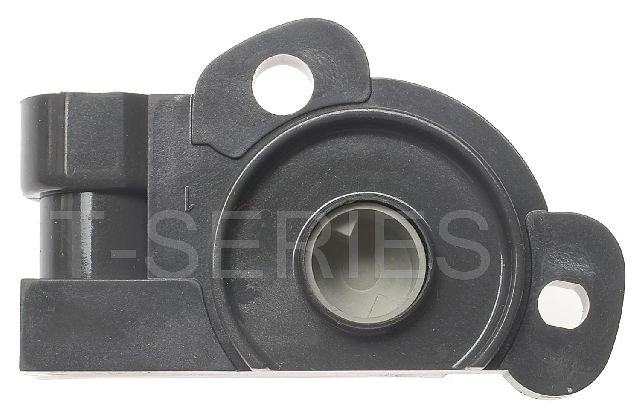
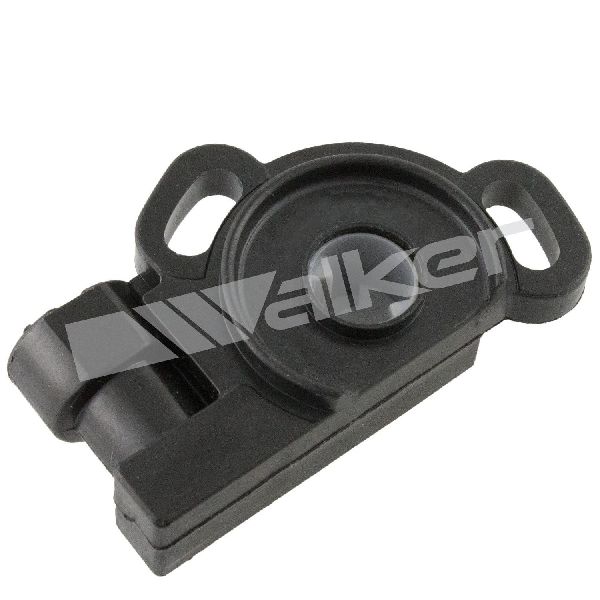
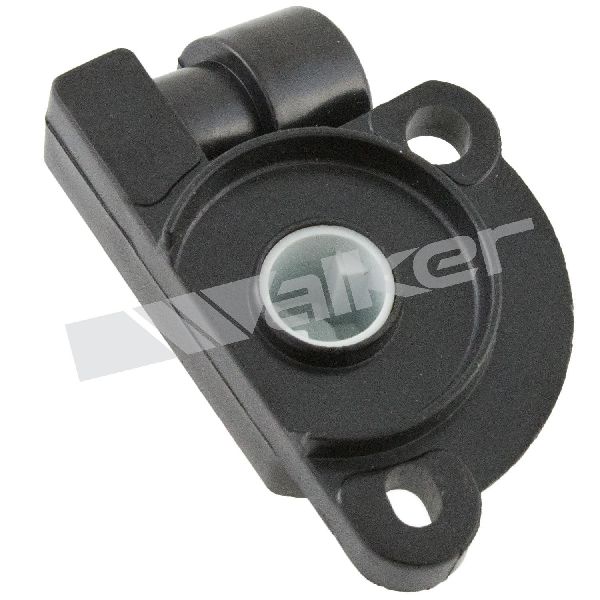
Replacing the TPS is a beginner-friendly job. It is located on the side of the throttle body and held in place by two screws. After disconnecting the battery, simply unplug the electrical connector, remove the screws, and swap the sensor. Crucially, these older GM sensors often require adjustment. The screw holes are elongated, allowing you to rotate the sensor slightly. This adjustment sets the base voltage at idle, and a multimeter is often used to set it to the correct specification (typically around 0.5 volts at closed throttle).
Frequently Asked Questions
Do I need to calibrate the new TPS?
Yes, for this generation of Skylark, calibration is often necessary. This involves slightly rotating the new sensor before fully tightening the screws to set the correct idle voltage signal. Without proper calibration, you may continue to experience idle or performance issues even with a new part.
Can I just clean the old TPS instead of replacing it?
No. The TPS is a sealed electronic sensor. The failure occurs from wear on the internal electrical contacts, not from being dirty. Cleaning the outside of the sensor will not fix the underlying problem.
How do I check the trouble codes on a car this old?
Your 1987-1992 Skylark has an Assembly Line Diagnostic Link (ALDL) connector, which is a precursor to modern OBD-II ports. You can often retrieve codes without a scanner by using a paperclip to jump two specific terminals in the connector. This will cause the Check Engine Light to flash in a sequence that corresponds to a trouble code number.
What happens if I ignore a failing TPS?
Ignoring a bad TPS will lead to continued poor performance, terrible fuel economy, and potential damage to your transmission over time due to incorrect shifting. The risk of the engine stalling in traffic also makes it a safety concern.
Technical Specifications
OEM Part Numbers: 17080692 17087654 17106682 17111822
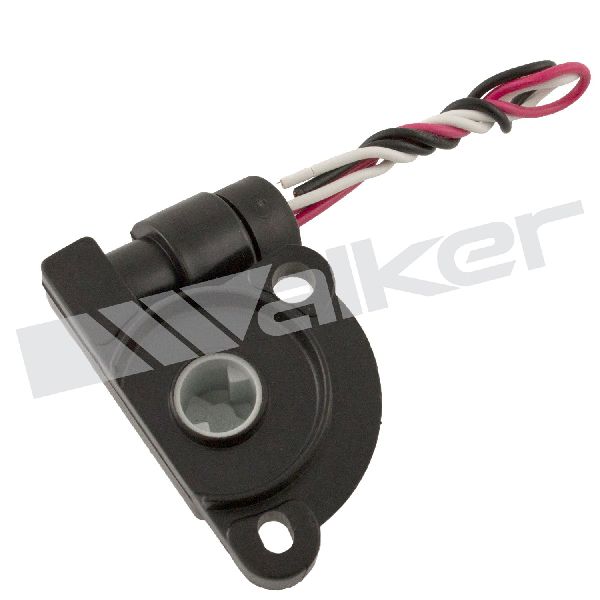
3-terminal female blade connector, counter-clockwise rotation.
We Have This Part in Stock


The information in this article is provided for general reference and educational purposes only. Vehicle specifications, procedures, and part compatibility can vary by production date, trim level, and region. Always consult your vehicle's factory service manual and verify part numbers before purchasing or performing repairs. Safety-critical components such as airbags, seat belts, and braking systems should be installed by a qualified professional.
- Buick Skylark: