

1987-1992 Cadillac Brougham Engine Coolant Temperature Sensor Guide
Keep your Brougham's V8 running smoothly by understanding this critical, easy-to-replace engine sensor.
- Crucially, distinguish between the two-wire ECT *sensor* for the computer and the one-wire *sender* for the dashboard gauge.
- A bad sensor most often leads to a rich fuel condition, causing poor MPG and black exhaust smoke.
- For this vehicle, Delphi is an excellent choice as a former GM supplier, with Standard Ignition (SMP) and NGK being other top-tier options.
- This is a very easy and inexpensive DIY repair that can be done in under 30 minutes with basic tools.
Is a Failing Coolant Temperature Sensor a Big Deal?
Yes, it can be. While the part itself is inexpensive, a faulty Engine Coolant Temperature (ECT) sensor can cause a surprising number of problems for your 1987-1992 Cadillac Brougham. The sensor provides critical data to the engine computer. When this data is wrong, the computer makes bad decisions. It might inject too much fuel, thinking the engine is cold when it's not. This leads to poor fuel economy, black smoke from the exhaust, and can even foul your spark plugs over time. Conversely, if the sensor incorrectly reports a hot engine, it can make cold starts difficult. Ignoring a bad ECT sensor can lead to reduced engine performance, wasted fuel, and potentially other component failures down the line.
Common Symptoms of a Bad ECT Sensor
- Poor Fuel Economy: If the sensor is stuck reading "cold," the computer will continuously run a rich fuel mixture, causing you to use more gas than necessary.
- Black Smoke from Exhaust: This is a classic sign of an overly rich fuel mixture. The excess, unburned fuel is cooked in the exhaust, creating black smoke.
- Rough Idle or Stalling: An incorrect fuel mixture can make the engine run erratically, especially at idle.
- Check Engine Light: The engine computer can often detect when the sensor's readings are out of range or illogical, triggering a Check Engine Light. Common codes include P0115, P0116, and P0117 on later models, though your pre-OBDII Brougham will have different codes.
- Engine Overheating: In some cases, a faulty sensor can fail to trigger the electric cooling fans (if equipped) or cause the computer to make adjustments that lead to overheating.
Sensor vs. Sender: A Critical Distinction
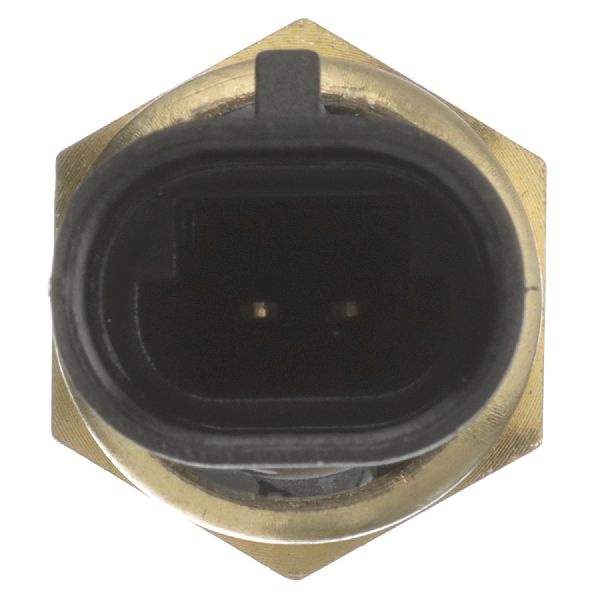
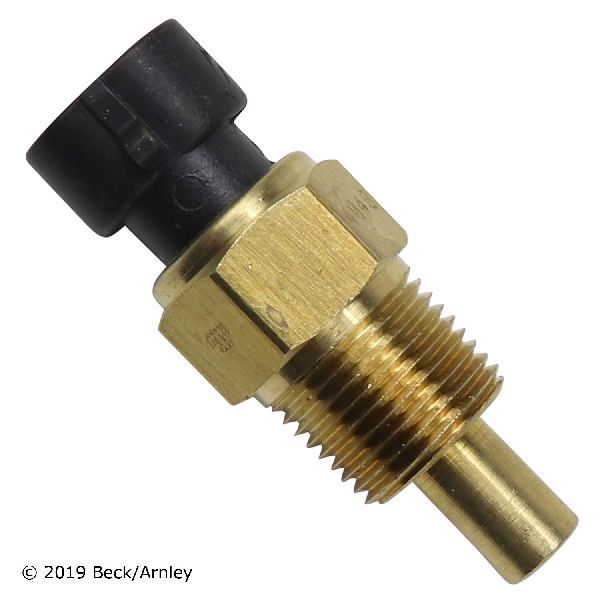
Your Brougham has two similar-looking parts. The ECT Sensor has two wires and talks to the engine computer. The Coolant Temperature Sender has one wire and runs the gauge on your dashboard. If your gauge is inaccurate but the car runs fine, the sender is likely the problem. If the car runs poorly but the gauge seems to work, the sensor is the more likely culprit. Double-check which part you need before ordering.
Choosing the Right Aftermarket Sensor
For a vehicle like the 1987-1992 Brougham, aftermarket parts offer excellent value. OEM parts can be difficult to find and expensive. Many aftermarket brands provide reliable, quality components that meet or exceed original specifications.
Here's a breakdown of available brands into general quality tiers based on reputation among mechanics and DIYers:
- Professional-Grade (OEM Quality): Brands like Delphi and NGK are top choices. Delphi was an original equipment supplier for GM, making their parts a near-direct replacement for what came from the factory. NGK (and its NTK sensor line) is world-renowned for its sensor technology.
- Trusted Aftermarket: Standard Motor Products (Standard Ignition) and Hella are well-regarded brands that have been in the industry for a long time, known for producing reliable components. Beck Arnley is also a solid choice, often sourcing their parts from the original equipment manufacturers, though quality can sometimes vary.
- Standard/Economy: Brands like Four Seasons, Facet, and others offer a budget-friendly solution. While often perfectly functional, they may not have the same long-term durability or precise calibration as higher-tier brands. For a critical sensor like the ECT, investing a few extra dollars in a trusted brand is often a wise choice.
Pro Tip: Easy Installation
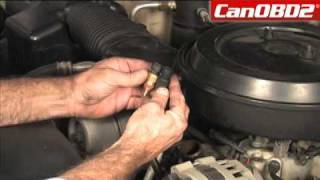
Replacing the ECT sensor on the Brougham's V8 engine (5.0L or 5.7L) is a straightforward job. The sensor is typically located on the front of the intake manifold, near the thermostat housing. It's easily accessible. The job requires only basic hand tools and can usually be completed in under 30 minutes. 🎬 Watch this quick video on how to change the sensor. Just be sure to let the engine cool down completely before starting to avoid burns and have a rag ready for minor coolant spillage.
Cost of a New Engine Coolant Temperature Sensor
| Part Type | Typical Cost |
|---|---|
| New Aftermarket | $12 - $38 |
| New OEM (if available) | $50 - $100+ |
| Shop Labor Cost | $50 - $100 |
Frequently Asked Questions
Can I drive my Brougham with a bad coolant temp sensor?
You can, but it's not recommended for long. The car will run poorly, get bad gas mileage, and could potentially cause other issues like fouled spark plugs or overheating. It's best to replace it as soon as possible.
Where is the ECT sensor located on my 1987-1992 Brougham?
On the 5.0L and 5.7L V8 engines used in these Broughams, the ECT sensor is almost always located on the front of the intake manifold, near the thermostat housing and upper radiator hose. It will have a two-wire electrical connector.
Are there any recalls for this part?
No, there are no specific recalls on the Engine Coolant Temperature Sensor for the 1987-1992 Cadillac Brougham. Searches of the NHTSA database show recalls for other items like brakes and cruise control, but none related to this sensor.
Do I need to drain all the coolant to replace the sensor?
No. If the engine is cold and you are quick, you will only lose a small amount of coolant when you swap the old sensor for the new one. You can minimize loss by removing the radiator cap to release any pressure, then quickly putting it back on to create a vacuum. Have the new sensor ready to thread in as soon as you remove the old one.
🎬 See a step-by-step demonstration of the sensor replacement process.Helpful Videos
Technical Specifications
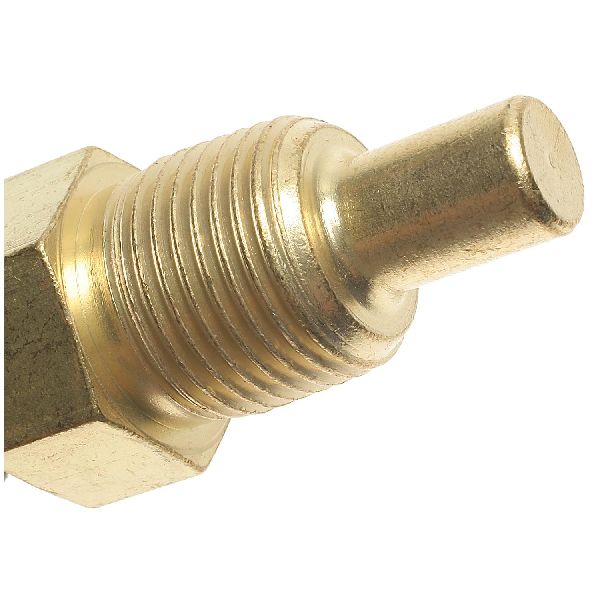
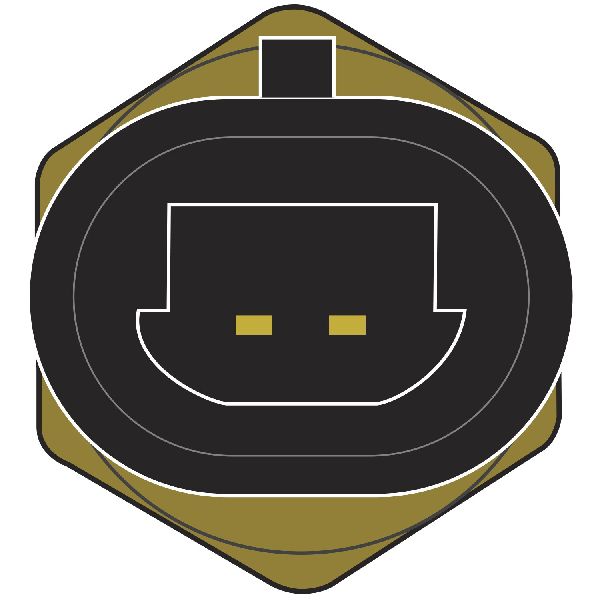
The sensor for the computer (ECU) will have a two-pin electrical connector and typically has a 3/8" - 18 NPTF thread size. The sensor for the gauge will have a single terminal.
We Have This Part in Stock


The information in this article is provided for general reference and educational purposes only. Vehicle specifications, procedures, and part compatibility can vary by production date, trim level, and region. Always consult your vehicle's factory service manual and verify part numbers before purchasing or performing repairs. Safety-critical components such as airbags, seat belts, and braking systems should be installed by a qualified professional.
- Cadillac Brougham:
- 🎬 Helpful Videos
- 🛍️ Shop This Part
- Is a Failing Coolant Temperature Sensor a Big Deal?
- Common Symptoms of a Bad ECT Sensor
- Sensor vs. Sender: A Critical Distinction
- Choosing the Right Aftermarket Sensor
- Pro Tip: Easy Installation
- Cost of a New Engine Coolant Temperature Sensor
- Frequently Asked Questions
- 🎟️ Get 5% Off