

A Deep Dive into the 1987-1992 Dodge Dakota Alternator
Everything a first-gen Dakota owner needs to know before buying a new aftermarket alternator.
- Verify if your Dakota has an external voltage regulator (common in 1987-1990) or an internal one (1991-1992) before ordering.
- Common failure signs include dimming lights, whining noises from the engine, and a battery that won't stay charged.
- Replacing the alternator is a straightforward DIY job for most owners, typically taking about an hour.
- For reliability, choose a quality new or remanufactured unit from brands like Bosch or Remy; consider a high-output model if you have extra accessories.
Is Your Dakota's Alternator Failing?
On these first-generation Dodge Dakotas, alternator problems often show up in clear ways. Because the electrical systems are simpler than on modern trucks, you can usually spot the signs before it leaves you stranded. Look out for these common symptoms:
- Dimming or Flickering Lights: Headlights, dash lights, or interior lights that flicker or seem weak, especially at idle, are a classic sign. They might get brighter when you rev the engine.
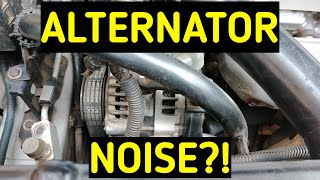
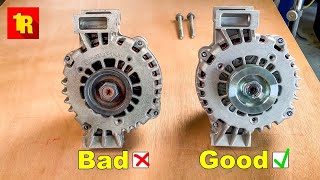
- Whining or Grinding Noises: A high-pitched whine that changes with engine speed often points to worn-out bearings inside the alternator. A more serious grinding noise means the bearings are close to failing completely. 🎬 Watch: How to diagnose grinding noises near your alternator.
- "CHECK GAUGES" Light or Dead Battery Gauge: If your dashboard warns you to "check gauges" and the battery voltage meter drops to the bottom, the alternator has likely stopped charging.
- Dead Battery: If you need to jump-start your truck frequently, the alternator is probably not recharging the battery as it should. A new battery will also die quickly if the alternator is bad.
- Slow or Malfunctioning Accessories: Power windows that move slowly or a radio that cuts out can happen when the alternator isn't providing enough power.
A Critical Note on Voltage Regulators (1987-1990 vs. 1991-1992)
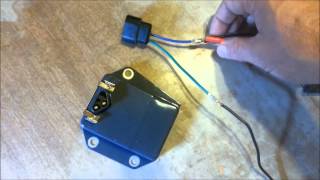
The charging system on the first-gen Dakota changed over its lifespan. 1987-1990 models typically use an external voltage regulator, which is a separate, silver box mounted on the firewall. Later models, from around 1991-1992, integrated the voltage regulator into the engine's main computer (ECU/PCM). It is critical to know which system your truck has before ordering. An alternator for an externally regulated system will not work on a computer-controlled system, and vice-versa. Intermittent charging problems on later models can sometimes be caused by a failing ECU, not the alternator itself.
🎬 See how to bypass a failing computer with an external regulator.Choosing the Right Aftermarket Alternator
For a vehicle of this age, aftermarket alternators offer excellent value. OEM Mopar parts can be difficult to find new and are often expensive. A quality aftermarket unit can meet or exceed the original specifications. Here’s a breakdown of the brands available:
Tier 1: Premium & High-Output
- Bosch: Often considered an OE-quality supplier for many brands, Bosch alternators (both new and remanufactured) have a strong reputation for reliability and durability. They are a top choice if you want a fit-and-forget replacement.
- Powermaster: If you've added accessories like a winch, powerful stereo system, or extra lighting, a high-output alternator from a brand like Powermaster is a smart upgrade. These are built to provide more amperage at idle and across the RPM range, but may require a shorter serpentine belt or minor wiring modifications.
- Remy: Another well-regarded brand, Remy offers both new and remanufactured units that are known for good quality and reliability.
Tier 2: Standard Replacement
- ACDelco: While strongly associated with GM, ACDelco produces parts for many makes and models. Their alternators are generally seen as a solid, reliable choice for a daily driver.
- BBB Industries: A large manufacturer that supplies many store-brand parts, BBB Industries offers dependable, standard-replacement alternators.
Tier 3: Economy
- MPA (Motorcar Parts of America): MPA is a major supplier of remanufactured parts in North America. Their products provide a budget-friendly option that meets basic requirements.
Pro Tip: Check Your Amperage
The 1987-1992 Dakota came with a few different alternator amperage ratings from the factory, such as 78-amp, 90-amp, or even 120-amp options. While a higher-amp unit is generally a good upgrade, ensure it's compatible with your regulator type (external vs. internal). When in doubt, match the amperage of your original alternator or choose a modest upgrade like going from 90 to 120 amps.
Frequently Asked Questions
Can I replace the alternator myself?
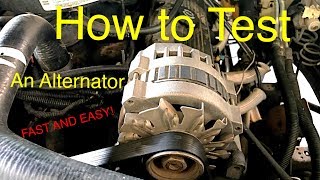
Yes, for most owners with basic hand tools. The alternator is typically easy to access at the front of the engine. The process involves disconnecting the battery, releasing the serpentine belt tensioner, removing a few bolts, and swapping the electrical connections. 🎬 Watch this simple walkthrough for diagnosing and replacing your alternator. Always disconnect the negative battery cable first to prevent short circuits.
What's the difference between a new and a remanufactured alternator?
A new alternator is made with all-new components. A remanufactured alternator has been completely disassembled, cleaned, and rebuilt with new wear items like bearings, brushes, and the voltage regulator. Both can be reliable options from quality brands like Bosch or Denso. For an older truck like the Dakota, a quality remanufactured unit is often a cost-effective and dependable choice.
Do I need a high-output alternator?
For a stock truck, the factory amperage is sufficient. However, if you have added significant electrical loads like a large sound system, off-road lights, a snow plow, or a winch, a high-output alternator is highly recommended. It will prevent dimming lights and ensure the battery stays fully charged while using these accessories.
My new alternator isn't charging. What could be wrong?
First, double-check all connections, especially the main power wire and the ground. Ensure the battery terminals are clean and tight. On 1987-1990 models, the external voltage regulator could be faulty. On 1991-1992 models, the problem could be within the engine computer (ECU) or the wiring to it. It's also possible, though less common, to receive a defective part. Always test the alternator output with a multimeter after installation; it should read between 13.8 and 14.5 volts with the engine running.
Helpful Videos
Technical Specifications
Voltage: 12V. Common Amperage Ratings: 78A, 90A, 120A. Regulator Type: External (1987-1990) or Internal/ECU-controlled (1991-1992).
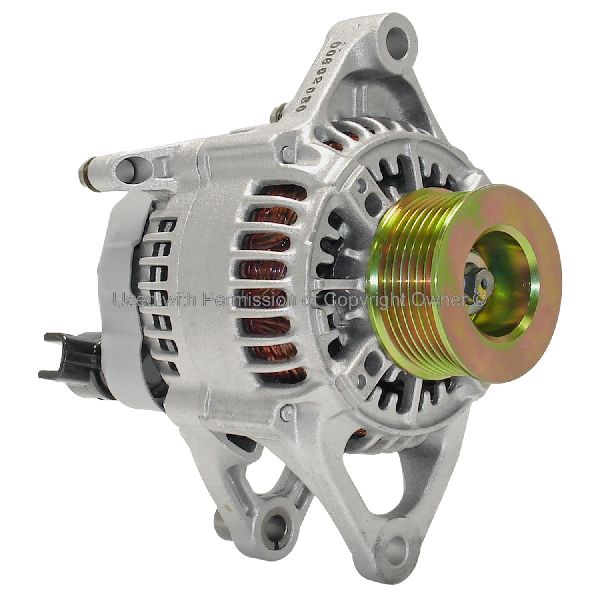
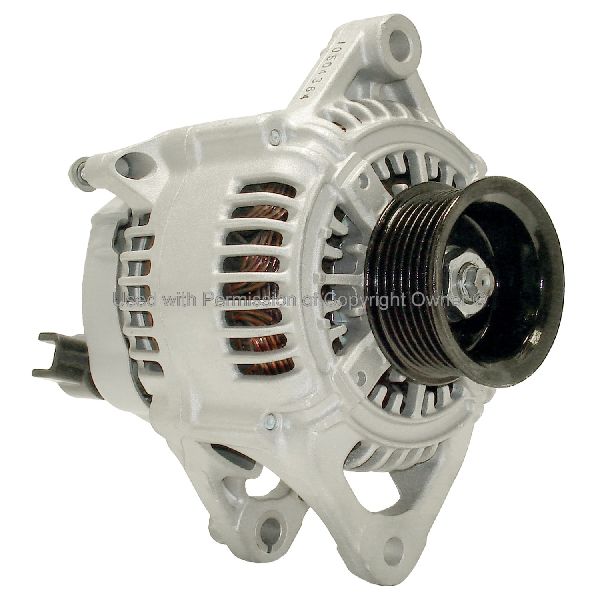
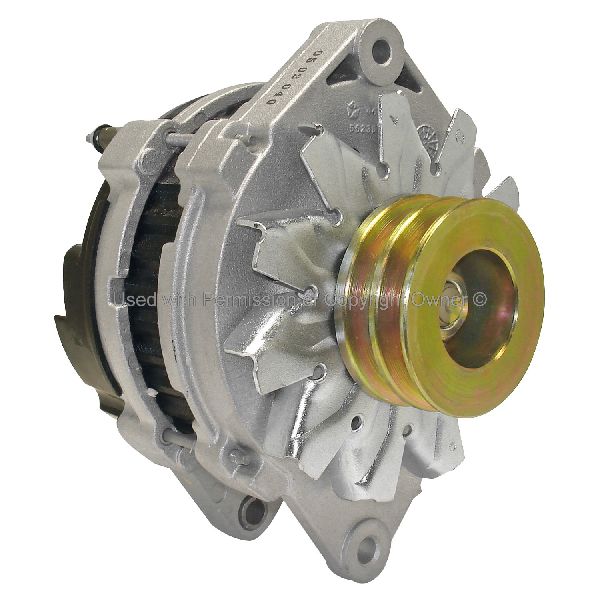
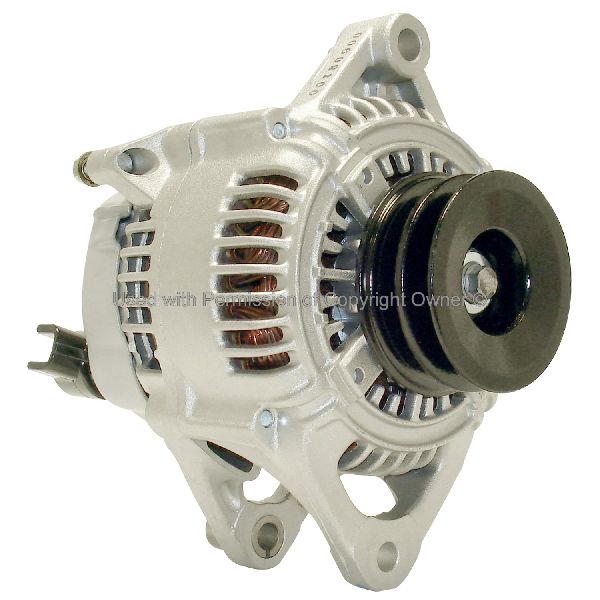
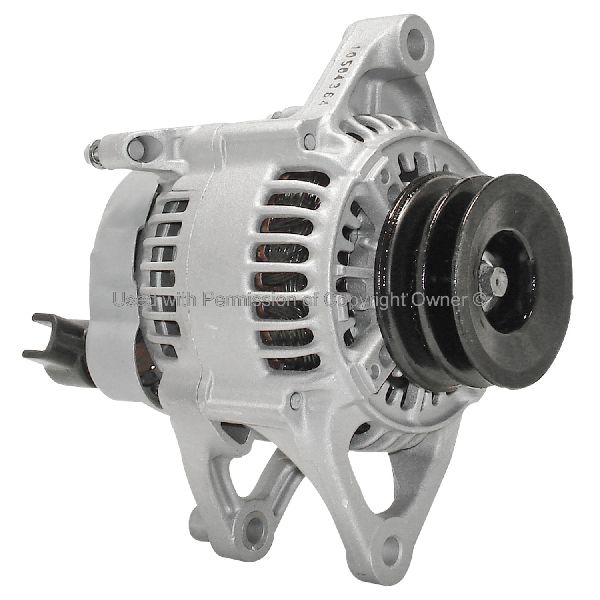
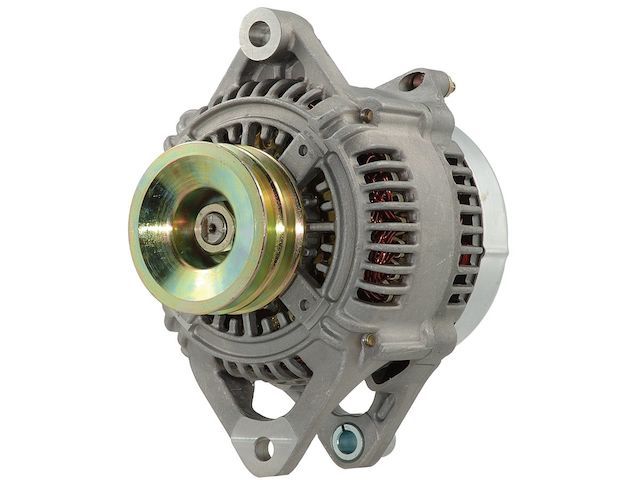
We Have This Part in Stock

The information in this article is provided for general reference and educational purposes only. Vehicle specifications, procedures, and part compatibility can vary by production date, trim level, and region. Always consult your vehicle's factory service manual and verify part numbers before purchasing or performing repairs. Safety-critical components such as airbags, seat belts, and braking systems should be installed by a qualified professional.
- Dodge Dakota: