

Ford F-150 (1987-1992) Radius Arm Bushing Replacement Guide
Address front-end clunks and wandering steering by choosing the right radius arm bushings for your truck.
- Listen for clunking noises over bumps and check for wandering steering, as these are the most common symptoms of failure.
- Choose between softer rubber bushings for ride comfort (Dorman, Delphi) or firmer, more durable polyurethane bushings for longevity and a tighter steering feel (Energy Suspension, Skyjacker).
- Always replace radius arm bushings in pairs to ensure even handling and suspension wear.
- Plan for a wheel alignment after the replacement to correct any changes in suspension geometry and prevent tire damage.
Is Your F-150's Front End Making Noise?
A common source of front-end problems on 1987-1992 Ford F-150s is worn-out radius arm bushings. These parts take a lot of abuse over the years. When they fail, the metal radius arm can move around excessively in its frame bracket, leading to noticeable symptoms.
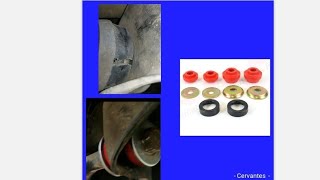
🎬 Learn more about identifying and replacing worn Ford radius arm bushings.Symptoms of Bad Radius Arm Bushings:
- Clunking or Popping Noises: You might hear a distinct "clunk" or pop from the front end when going over bumps, turning, or even when shifting from drive to reverse. This is often the most obvious sign.
- Steering Wander: The truck may feel like it's wandering on the road, requiring constant steering corrections to keep it straight. This happens because the worn bushings allow the front axle to shift slightly.
- Uneven Tire Wear: Worn bushings can affect your truck's alignment, leading to tires wearing out unevenly, particularly cupping.
- Vibrations: You may feel vibrations through the steering wheel, especially when braking or driving over rough surfaces.
Known Issues & Recalls
Searches for official recalls and Technical Service Bulletins (TSBs) from the NHTSA did not show any specific items for radius arm bushings on the 1987-1992 Ford F-150. Any problems you experience are typically due to normal wear and tear over decades of use, not a manufacturing defect.
Choosing the Right Aftermarket Bushings: Rubber vs. Polyurethane
When shopping for new radius arm bushings, you'll face a choice between standard rubber and firmer polyurethane. Neither is strictly better; the right choice depends on how you use your truck.
Brand & Material Tiers
- Good (Standard Replacement): Brands like Dorman and Replacement offer OEM-style rubber bushings. These are designed to restore the original ride quality and are a cost-effective solution for a daily driven truck. They provide good vibration absorption for a comfortable ride.
- Better (Heavy-Duty/Performance): Brands like Energy Suspension and Skyjacker specialize in polyurethane bushings. Polyurethane is much stiffer and more durable than rubber. It provides a more direct steering feel but can make the ride harsher and may sometimes squeak if not lubricated properly. Many owners recommend polyurethane for its longevity.
- Best (Hybrid Design): Some brands, like Moog, have offered "problem solver" bushings made from advanced materials that aim to provide the durability of polyurethane with the quiet operation of rubber. These can be an excellent all-around choice if available.
Pro Tip: Polyurethane bushings are a popular upgrade for these trucks because they last longer and tighten up steering response. However, if you prioritize a smooth, quiet ride over performance, a quality rubber bushing from a brand like Delphi is a solid choice.
| Part Type | Estimated Cost (Parts Only) |
|---|---|
| New Aftermarket (Rubber/Poly) | $15 - $47 |
| New OEM (Ford) | $30 - $55 |
| Shop Labor | $244 - $400 |
Frequently Asked Questions (FAQ)
Should I replace the bushings in pairs?
Yes, always replace radius arm bushings on both the driver and passenger sides at the same time. If one side has failed, the other is likely not far behind. Replacing them in pairs ensures balanced handling and prevents you from having to do the job twice.
Is replacing radius arm bushings a DIY job?
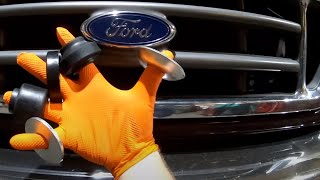
This job is feasible for an experienced DIY mechanic 🎬 Watch a step-by-step guide on replacing these bushings yourself. with a good set of tools. It requires lifting the front of the truck and supporting it securely on jack stands. You will need large wrenches (a 1 1/8" socket is commonly required) and potentially a pry bar or come-along to move the axle forward to get the old bushings out. Some brackets are bolted on, while others are riveted from the factory, which would require grinding or drilling to remove.
🎬 See how to replace both the bushings and the brackets.Will new bushings fix my truck's alignment?
New bushings are necessary for a proper alignment, but they don't guarantee it. After replacing the bushings, you should always have a professional wheel alignment performed to ensure everything is set to factory specifications and to prevent premature tire wear.
What's the difference between the bushings for 2WD and 4WD models?
The basic function and design are similar, but always verify the part fitment for your specific 2WD or 4WD model before ordering. The OEM part number E7TZ-3B203-A is listed for both 2WD and 4WD applications within this generation, but it's crucial to confirm with the aftermarket part seller.
Helpful Videos
Technical Specifications
OEM Part Numbers: E7TZ-3B203-A F1TZ-3B203-A
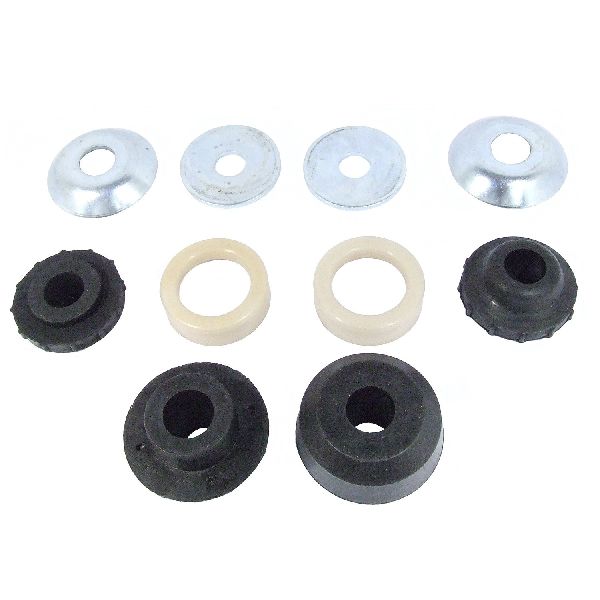
Fits Ford's Twin I-Beam (2WD) and Twin Traction Beam (4WD) front suspensions. Bushings are available in OEM-style rubber or aftermarket polyurethane materials.
We Have This Part in Stock
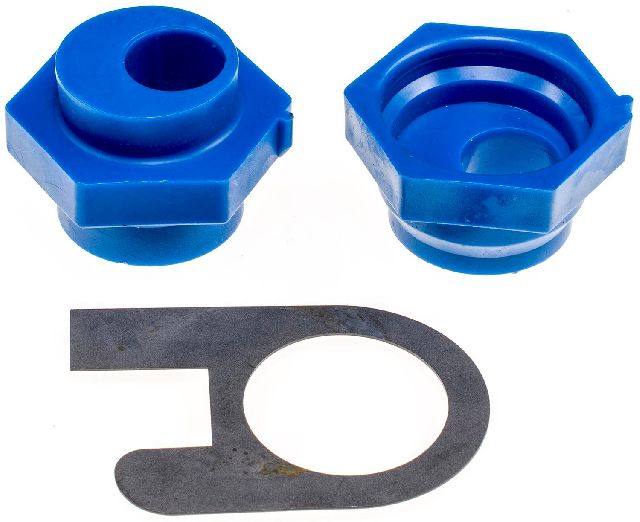


The information in this article is provided for general reference and educational purposes only. Vehicle specifications, procedures, and part compatibility can vary by production date, trim level, and region. Always consult your vehicle's factory service manual and verify part numbers before purchasing or performing repairs. Safety-critical components such as airbags, seat belts, and braking systems should be installed by a qualified professional.
- Ford F-150: