

Ford F-350 A/C Compressor Replacement Guide (1987-1992)
Keep your classic Ford F-350's A/C blowing cold with the right parts and knowledge.
- Your truck was built with R-12 refrigerant; any new compressor requires converting the system to modern R-134a refrigerant and PAG oil.
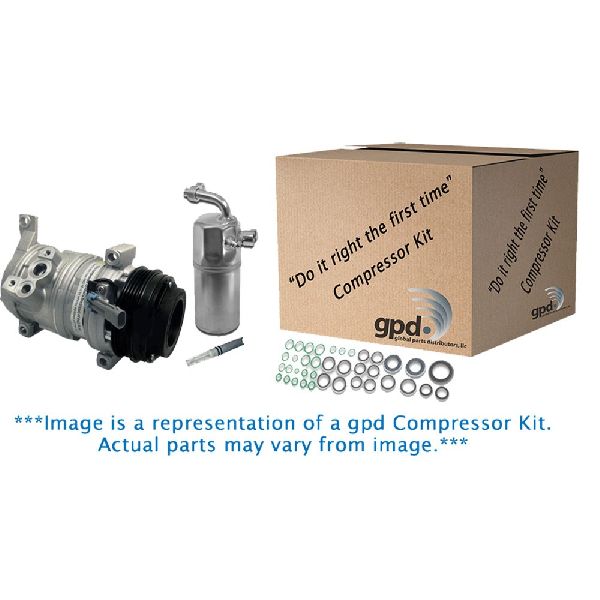
- Always replace the receiver/drier and orifice tube when replacing the compressor to protect your new part from contamination.
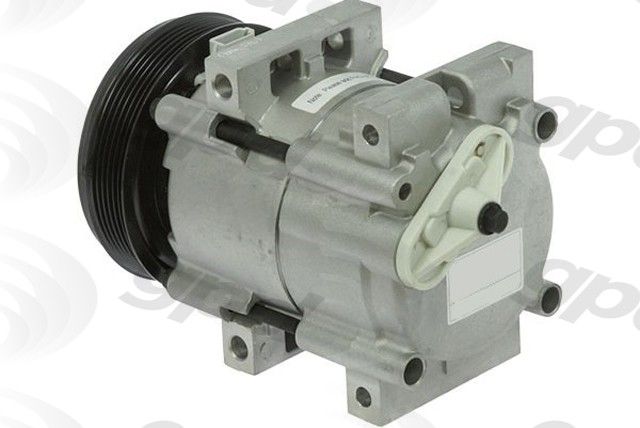
- Consider upgrading from the old York-style compressor to a more efficient and quieter Sanden-style unit for better performance.
- A proper repair requires special tools to evacuate and recharge the system; plan on taking the truck to a shop for this final step.
Is Your F-350's A/C Blowing Hot Air?
When the air conditioning in your 1987-1992 Ford F-350 stops working, the compressor is a common suspect. Age and use can cause leaks or internal failure. A failing compressor can't properly pressurize the refrigerant, leaving you with warm air on a hot day. Common signs of a problem include air that starts cool and then turns warm, or no cold air at all.
Symptoms of a Bad A/C Compressor
- No Cold Air: The most obvious symptom. The compressor clutch may not be engaging, meaning the compressor isn't running.
- Loud Noises: Grinding or squealing noises when the A/C is turned on can indicate failing bearings or internal parts inside the compressor.
- Visible Leaks: You might see greasy grime on the compressor body, which is often a sign of refrigerant oil leaking from the front shaft seal.
- Clutch Not Engaging: The outer part of the compressor pulley (the clutch) should spin freely when the A/C is off and engage with a "click" when it's on. If it doesn't engage, it could be due to a bad clutch, a faulty electrical connection, or low refrigerant pressure from a leak elsewhere in the system.
Important: R-12 vs. R-134a Refrigerant
Your 1987-1992 F-350 was built to use R-12 refrigerant, which is no longer made. Most trucks of this age have been converted to the modern R-134a standard. This is critical when buying parts. New compressors are designed for R-134a systems and require specific PAG oil. If your truck still uses R-12, you must convert the system when you replace the compressor. This involves replacing more than just the compressor itself.
Choosing the Right Aftermarket Compressor
When replacing the A/C compressor, you have a few options. For this generation of F-350, many owners use it as an opportunity to upgrade.
Original Style (York) vs. Modern Style (Sanden)
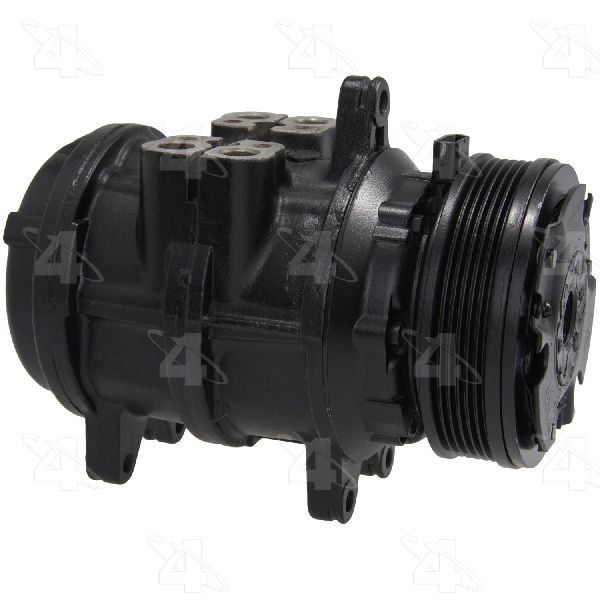
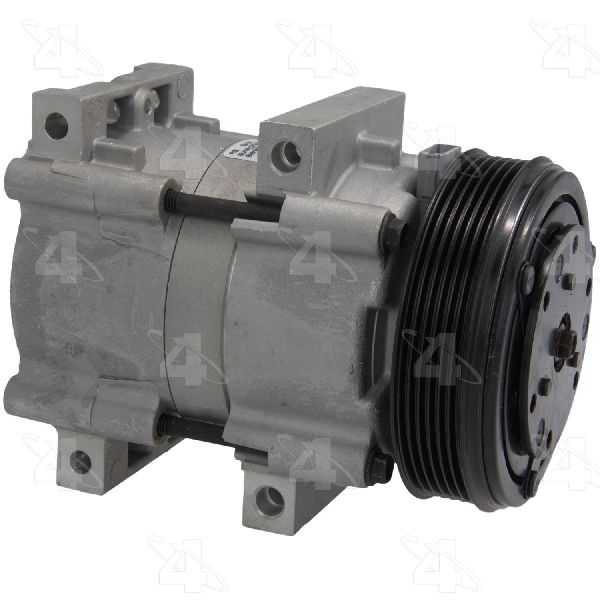
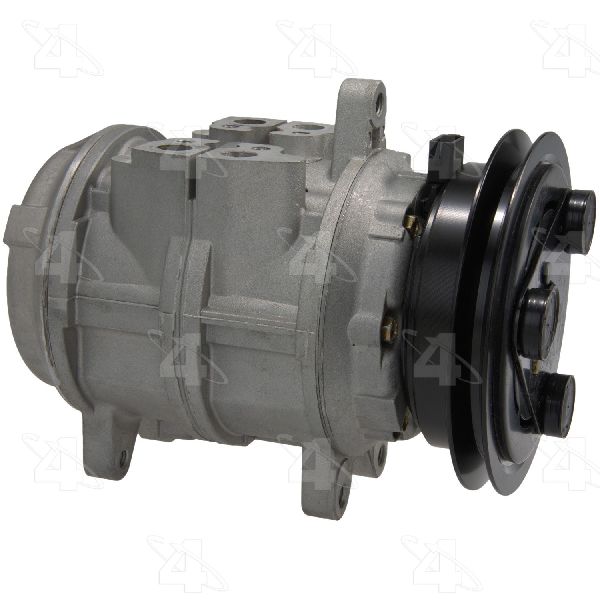
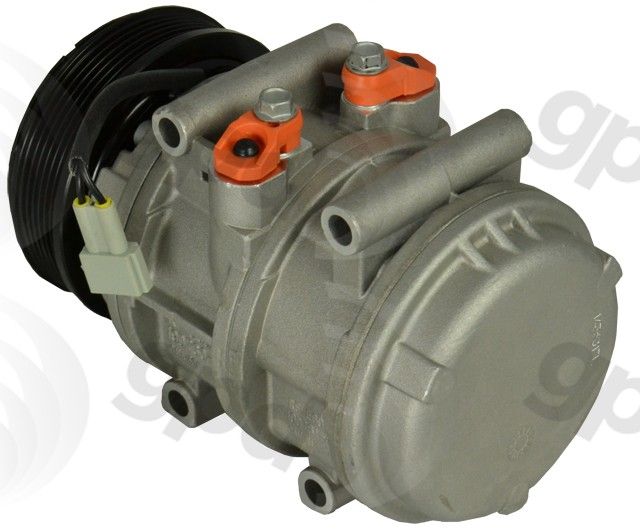
Many of these trucks came with a large, heavy, piston-driven compressor called a York compressor. While durable, they are less efficient and can cause engine vibration. Many aftermarket replacements are modern, quieter, and more efficient "Sanden" style compressors. Upgrading often requires a special conversion bracket to mount the new compressor where the old one was. This is a popular and worthwhile upgrade for many owners.
Aftermarket Brand Quality
Not all aftermarket brands are created equal. When it comes to A/C parts, buying a quality part can save you from doing the job twice.
| Brand Tier | Brands | What to Expect |
|---|---|---|
| Premium Aftermarket | Denso | Denso is an OEM supplier for many carmakers and is widely considered a top-quality aftermarket brand. Owners report these compressors are quiet and reliable, making them a solid choice if your budget allows. |
| Standard Aftermarket | Four Seasons, UAC, Global Parts | These brands offer a balance of value and performance. Reviews for brands like Four Seasons are often mixed; some users have no issues, while others report premature leaks or failures. Quality can be a "roll of the dice," but they are a popular budget-friendly option. |
| Economy | Replacement (Store Brands) | These are typically the most affordable option. They are often unbranded or store-branded parts. While they can get your A/C working, their long-term durability may be questionable compared to premium brands. |
Pro Tip: Always Replace More Than Just the Compressor
When a compressor fails, it can send tiny metal particles throughout the A/C system. Just replacing the compressor isn't enough. To ensure your new compressor lasts, you must also replace the receiver/drier (the black cylinder near the firewall) and the orifice tube. You also need to flush the rest of the system (hoses, evaporator, condenser) to remove old oil and debris.
Frequently Asked Questions
Do I have to convert my system from R-12 to R-134a?
Yes. R-12 refrigerant is no longer available to the public and is extremely expensive. All new aftermarket compressors are designed to work with R-134a refrigerant and compatible PAG oil. A conversion kit typically includes new service port fittings and labels.
What else should I replace with the compressor?
At a minimum, you must replace the A/C receiver/drier (also called an accumulator) and the orifice tube. You should also replace all the rubber O-rings and seals in the parts of the system you open. Failing to do this will likely cause your new compressor to fail quickly.
Can I replace the A/C compressor myself?
While you can physically unbolt the old compressor and install a new one, a complete and proper A/C replacement requires special tools. The system must be legally evacuated of any remaining refrigerant before opening it. After installation, a deep vacuum must be pulled on the system to remove all air and moisture before it can be recharged with refrigerant. Most DIY mechanics will replace the parts and then take the truck to a shop for the final evacuation and recharge service.
What kind of oil do I need for my new compressor?
If you are converting to or have an R-134a system, you will use PAG oil. New compressors often come with a starting charge of oil, but you must check the instructions to ensure the total system oil amount is correct. Using the wrong oil or the wrong amount of oil will destroy the new compressor.
Were there any recalls on the 1987-1992 F-350 A/C compressor?
No, there are no specific NHTSA recalls for the A/C system on the 1987-1992 Ford F-350. Any issues are typically due to the age and wear of the components.
Technical Specifications
Original system used R-12 refrigerant with mineral oil. Aftermarket replacements are designed for R-134a refrigerant with PAG oil. Compressors may be original York-style (piston) or modern Sanden-style (rotary/scroll). Pulley configuration must match the engine's belt type (V-belt or serpentine).
We Have This Part in Stock

The information in this article is provided for general reference and educational purposes only. Vehicle specifications, procedures, and part compatibility can vary by production date, trim level, and region. Always consult your vehicle's factory service manual and verify part numbers before purchasing or performing repairs. Safety-critical components such as airbags, seat belts, and braking systems should be installed by a qualified professional.
- Ford F-350:
- 🛍️ Shop This Part
- Is Your F-350's A/C Blowing Hot Air?
- Symptoms of a Bad A/C Compressor
- Important: R-12 vs. R-134a Refrigerant
- Choosing the Right Aftermarket Compressor
- Original Style (York) vs. Modern Style (Sanden)
- Aftermarket Brand Quality
- Pro Tip: Always Replace More Than Just the Compressor
- Frequently Asked Questions
- 🎟️ Get 5% Off