

Guide to Disc Brake Calipers for the 1987-1992 Mercury Cougar
Understanding, diagnosing, and choosing the right new brake calipers for your Cougar.
- You MUST correctly identify your Cougar as either a 1987-88 (Fox Body) or 1989-92 (MN12) before buying calipers, as they are not interchangeable.
- A recall was issued for some 1989 Cougar front calipers; while old, it highlights a potential manufacturing weakness of that specific year.
- Calipers should always be replaced in pairs (both fronts or both rears) to ensure safe, balanced braking.
- For this vehicle, calipers with phenolic pistons are a good choice to prevent seizure from corrosion, a common issue on older cars that may sit unused.
A Critical Note for 1987-1992 Cougar Owners
Before buying parts, you must know which Mercury Cougar you own. The 1987-1992 model years span two completely different vehicle platforms, and the brake calipers are not interchangeable.
- 1987-1988 Mercury Cougar: These models are built on the Fox Body platform, shared with the Ford Mustang and Thunderbird of the same era.
- 1989-1992 Mercury Cougar: These models are built on the newer MN12 platform. They are larger and heavier, with a different suspension and brake system.
Symptoms of a Failing Brake Caliper
A bad brake caliper is a serious safety issue. It can fail in two main ways: seizing (sticking) or leaking. Look out for these common warning signs:
- Vehicle Pulling to One Side: When braking or even while driving, a car that pulls left or right can be a sign of a stuck caliper piston that isn't releasing its grip on the rotor.
- Uneven Brake Pad Wear: If you check your brakes and find one pad is significantly more worn than the other, it's a classic sign of a sticking caliper slide pin or piston.
- Brake Dragging or Burning Smell: A caliper that doesn't release properly will cause the brake pad to constantly rub against the rotor, generating immense heat. This can lead to a distinct burning smell after driving and can cause the rotor to glow red in extreme cases.
- Fluid Leaks: Puddles of brake fluid (a thin, oily liquid, usually clear or brownish) near the wheel are a critical sign of a failed caliper seal. Any loss of brake fluid is dangerous and can lead to complete brake failure.
- Spongy or Soft Brake Pedal: While this can have many causes, a leaking caliper or air in the system from a leak can cause the pedal to feel soft or go closer to the floor.
- Grinding or Squealing Noises: Persistent noise can indicate a caliper that isn't releasing, causing the pads to wear down to the metal backing plate.
Choosing the Right Aftermarket Caliper
For a vehicle of this age, new OEM (Original Equipment Manufacturer) calipers are typically unavailable. The aftermarket is your primary source, offering a range from basic remanufactured units to high-quality new parts. Since this guide focuses on new parts, we'll look at brands offering new calipers.
Brand Tiers for Your Cougar
Standard Replacement (Good):
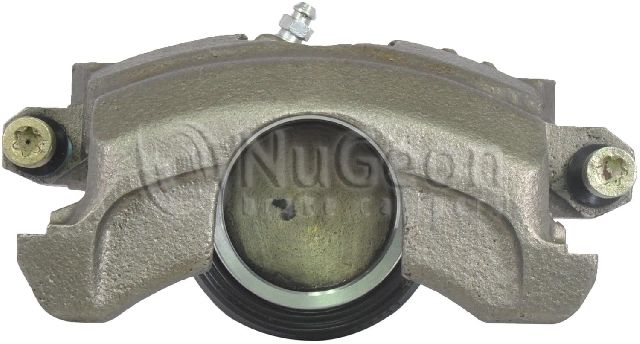
- Cardone: A widely known brand, Cardone offers both new and remanufactured calipers. While remanufactured parts can sometimes have quality control issues like stripped bleeders or incorrect hardware, their new calipers are a viable budget-friendly option. Always inspect the part carefully upon arrival.
- BBB Industries: Similar to Cardone, BBB is a major player in the remanufacturing industry but also supplies new components. They serve as a standard, widely available replacement option.
Premium Aftermarket (Better/Best):
- Raybestos: The Raybestos Element3 line is well-regarded. These new calipers often come with a zinc or other protective coating to prevent corrosion, which is a major cause of caliper failure. They are generally considered a high-quality, reliable choice for daily driving.
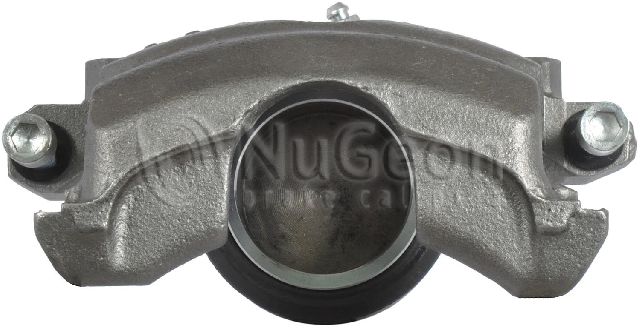
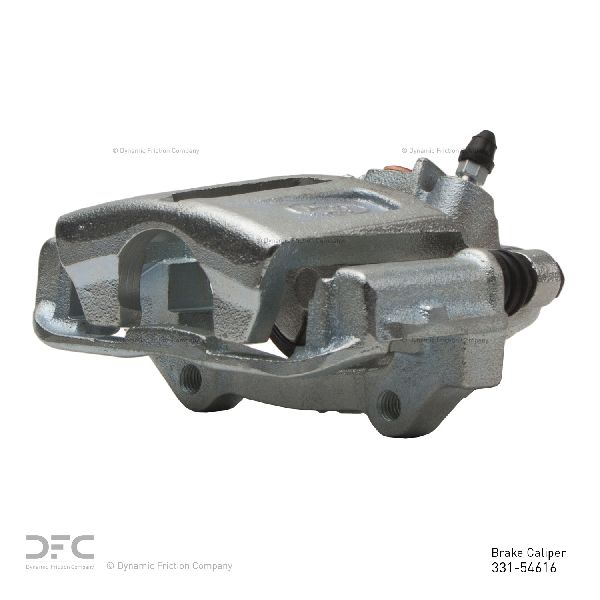
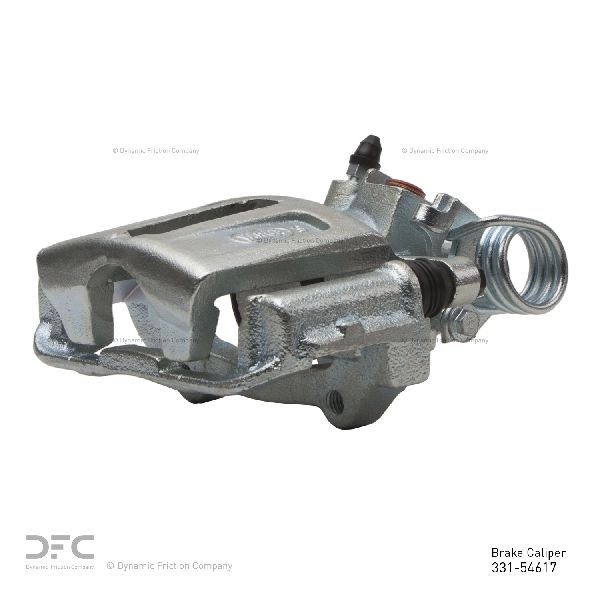
- Dynamic Friction (DFC): DFC is known for producing new calipers that meet or exceed OEM specifications. They often feature corrosion-resistant coatings and are 100% pressure tested. DFC is a strong choice for owners looking for longevity and solid performance.
| Part Type | Estimated Cost |
|---|---|
| New Aftermarket Caliper | $36 - $155 |
| Shop Labor (per side) | $100 - $200 |
Known Issues, Recalls, and TSBs
A search of the NHTSA database reveals a specific recall for the 1989 Mercury Cougar concerning the brake calipers.
NHTSA Campaign Number: 89V093000 (May 19, 1989)
Summary: The recall addressed front disc brake calipers that could have been produced with an out-of-specification piston bore, potentially causing a reduction in brake performance. This recall affected a large number of 1989 Cougar and Thunderbird models.
No widespread recalls or TSBs were found for the 1987-1988 or 1990-1992 models regarding the calipers themselves. However, the most common issues reported by owners on forums are related to calipers seizing due to age, corrosion, and moisture in the brake fluid.
Frequently Asked Questions (FAQ)
Should I choose calipers with phenolic or steel pistons?
Both have pros and cons. Phenolic (a type of composite resin) pistons don't rust and are excellent at insulating the brake fluid from heat. Steel pistons are stronger and better at dissipating heat away from the pad, but they can rust over time if moisture contaminates the brake fluid. For a daily driven Cougar that may sit for periods, phenolic pistons offer a great advantage in preventing the piston from seizing in the bore due to corrosion.
Do new calipers come with brackets and hardware?
It depends on the brand. Many new calipers are sold "friction ready," meaning they are just the caliper body itself. Some premium kits may include the mounting bracket and new hardware (slide pins, clips, boots). Always read the product description carefully to see what's included. Often, the hardware kit is sold separately.
What is a "core charge"?
A core charge is a deposit you pay when buying a remanufactured part. It's refunded to you when you return your old, rebuildable caliper. Since this guide focuses on NEW calipers, you will typically not have to deal with a core charge.
Can I replace just one caliper?
It is strongly advised to replace calipers in pairs (both front or both rear). Replacing only one can lead to unbalanced braking, causing the car to pull to one side and creating a safety hazard.
Frequently Asked Questions (FAQ)
Should I choose calipers with phenolic or steel pistons?
Both have pros and cons. Phenolic (a type of composite resin) pistons don't rust and are excellent at insulating the brake fluid from heat. Steel pistons are stronger and better at dissipating heat away from the pad, but they can rust over time if moisture contaminates the brake fluid. For a daily driven Cougar that may sit for periods, phenolic pistons offer a great advantage in preventing the piston from seizing in the bore due to corrosion.
Do new calipers come with brackets and hardware?
It depends on the brand. Many new calipers are sold "friction ready," meaning they are just the caliper body itself. Some premium kits may include the mounting bracket and new hardware (slide pins, clips, boots). Always read the product description carefully to see what's included. Often, the hardware kit is sold separately.
What is a "core charge"?
A core charge is a deposit you pay when buying a remanufactured part. It's refunded to you when you return your old, rebuildable caliper. Since this guide focuses on NEW calipers, you will typically not have to deal with a core charge.
Can I replace just one caliper?
It is strongly advised to replace calipers in pairs (both front or both rear). Replacing only one can lead to unbalanced braking, causing the car to pull to one side and creating a safety hazard.
Technical Specifications
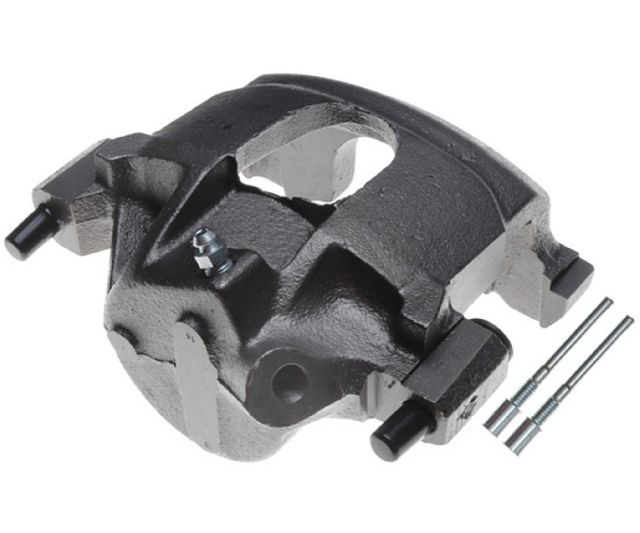
Brake calipers for the 1987-1992 Mercury Cougar are single-piston floating calipers. The primary difference between aftermarket options is the piston material (phenolic vs. steel) and whether the caliper body has a protective anti-corrosion coating. The 1989-1992 MN12 platform cars may have larger calipers than the earlier 1987-1988 Fox Body models.
We Have This Part in Stock


The information in this article is provided for general reference and educational purposes only. Vehicle specifications, procedures, and part compatibility can vary by production date, trim level, and region. Always consult your vehicle's factory service manual and verify part numbers before purchasing or performing repairs. Safety-critical components such as airbags, seat belts, and braking systems should be installed by a qualified professional.
- Mercury Cougar: