

1987-1993 Chevrolet Blazer Brake Light Switch: A Comprehensive Guide
Understanding how this small switch can cause big problems with your brake lights, cruise control, and even transmission performance.
- This is a multi-function switch; a failure affects brake lights, cruise control, and torque converter lockup.
- Symptoms can range from brake lights not working to the engine stalling at stops.
- Replacement is a simple, DIY-friendly job that takes less than an hour.
- Choosing a quality brand like ACDelco or Standard Ignition is recommended to avoid adjustment issues and premature failure.
Understanding Brake Light Switch Failure on Your Blazer
The brake light switch on your 1987-1993 S-10 Blazer is a critical component for both safety and vehicle performance. Due to its constant use, this plastic switch can wear out, crack, or fail electronically. When it fails, it can cause a range of confusing symptoms that might not seem related to the brakes at first. Understanding these issues is key to a quick and accurate repair.
A Critical Multi-Function Part
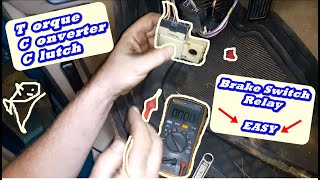
On this generation of Blazer, the brake light switch does more than just operate the brake lights. It is also responsible for deactivating the cruise control and signaling the torque converter clutch (TCC) to unlock. A failure can lead to the TCC staying locked at low speeds, causing the engine to shudder or stall, similar to stopping a manual transmission vehicle without pressing the clutch. It can also prevent the TCC from locking up at highway speeds, leading to higher RPMs and poor fuel economy.
Choosing the Right Aftermarket Brake Light Switch
For a vehicle of this age, aftermarket parts are the most common and cost-effective solution. The quality of aftermarket electrical parts can vary, so it's important to choose a reputable brand. Here’s a breakdown of the brands available:
- Top Tier (OEM-Level Quality): ACDelco is GM's original parts brand and is generally the benchmark for quality and fitment. While they also offer aftermarket lines, their "Professional" or "GM Original Equipment" parts are highly recommended for critical components like this. Standard Ignition (Standard Motor Products or SMP) is a well-respected aftermarket manufacturer with a long history of producing reliable electronic parts that often meet or exceed OEM specifications.
- Mid-Tier (Reliable Alternatives): Rostra Powertrain is known for producing quality electronic components, including sensors and switches, often for OE applications. They are a solid choice if you're looking for a balance of price and reliability.
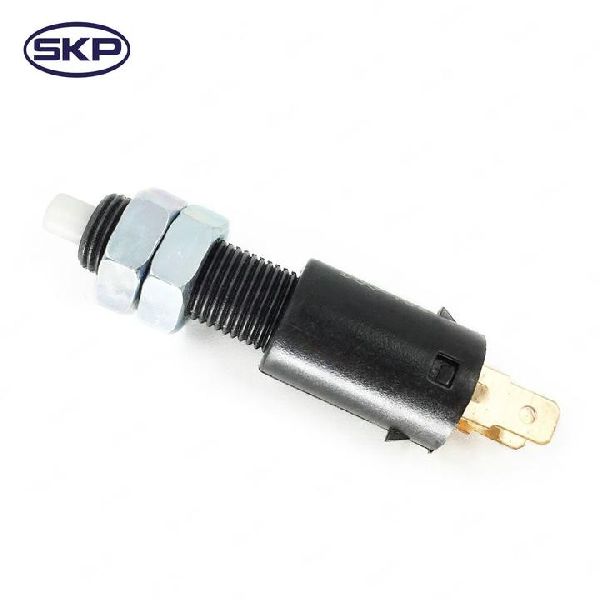
- Economy Tier (Budget-Friendly): Brands like Skyward fall into the budget category. While they offer a significant cost saving, their long-term durability and consistency may not match the higher-tiered brands. These can be a viable option for a quick fix, but for a part this critical to safety and drivability, investing in a mid or top-tier brand is often worth the small extra cost.
Pro Tip: Some owners report issues with proper adjustment on lower-quality switches, leading to brake lights that stay on or won't turn off. Spending a few extra dollars on a brand like ACDelco or Standard Ignition can save you the headache of a difficult installation or premature failure.
Cost of Replacing a Brake Light Switch
| Part/Service | Estimated Cost |
|---|---|
| New Aftermarket Brake Light Switch | $5.40 - $36.92 |
| Shop Labor | $60 - $120 |
| Total Estimated Cost (DIY) | $5.40 - $36.92 |
| Total Estimated Cost (Installed) | $65 - $157 |
Cost estimates are based on the provided price range and typical labor rates and do not include taxes or shop fees.
Frequently Asked Questions (FAQ)
How do I know if my brake light switch has failed?
The most common symptoms are brake lights that don't work at all, or brake lights that stay on constantly, draining your battery. You may also notice that your cruise control no longer sets or disengages unexpectedly. In some cases, you might experience poor engine performance at low speeds or stalling, which can be caused by the torque converter clutch failing to disengage.
Is this a difficult part to replace myself?
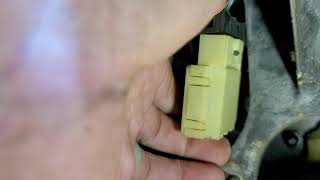
No, this is a very DIY-friendly repair. The switch is located on the brake pedal support under the dashboard. It typically clips onto the pedal assembly and the brake pedal rod. The replacement involves removing the lower dash panel for access, disconnecting the electrical connectors, and swapping the switch. The most challenging part is working in a tight space. 🎬 Watch this step-by-step guide to replacing the switch yourself. The entire job can usually be done in under an hour with basic hand tools.
How do I adjust the new brake light switch?
Proper adjustment is key. For many switches on these Blazers, you install the new switch, depress the brake pedal, and then pull the pedal back firmly against its stop. This self-adjusts the plunger in the switch. If the brake lights stay on after installation, the switch may need to be manually repositioned in its clip to ensure the plunger is fully depressed when the pedal is at rest.
🎬 See how to properly adjust the switch for perfect operation.Are there any recalls for this part on my Blazer?
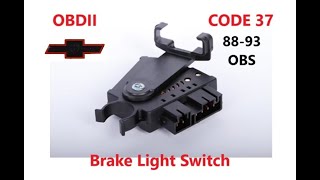
Searches of the National Highway Traffic Safety Administration (NHTSA) database did not show any specific recalls for the brake light switch on the 1987-1993 Chevrolet Blazer. However, a technical service bulletin (TSB) or an OBD-I trouble code (like Code 37) can point to a faulty switch being a known issue.
🎬 Watch this video to fix Code 37 and replace the switch.Helpful Videos
Technical Specifications
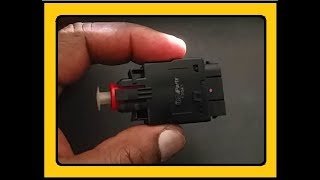
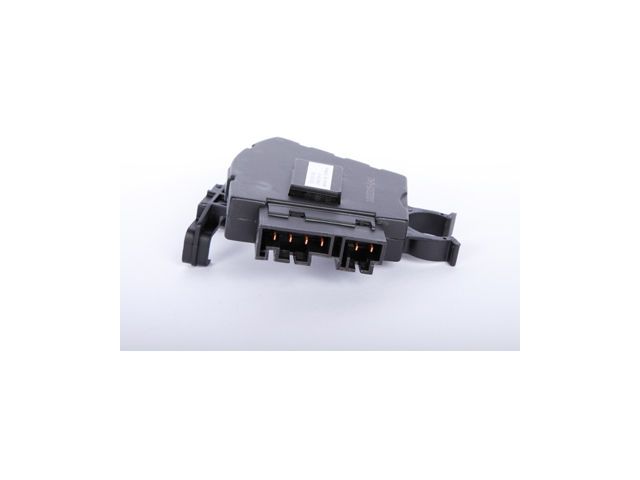
The switch is typically a multi-pin plastic unit that clips onto the brake pedal support bracket. It is activated by the movement of the brake pedal arm. Depending on the specific functions, it may have anywhere from 2 to 6 terminals in its connectors.
We Have This Part in Stock


The information in this article is provided for general reference and educational purposes only. Vehicle specifications, procedures, and part compatibility can vary by production date, trim level, and region. Always consult your vehicle's factory service manual and verify part numbers before purchasing or performing repairs. Safety-critical components such as airbags, seat belts, and braking systems should be installed by a qualified professional.
- Chevrolet Blazer: