

Engine Timing Set Replacement for the 1987-1993 Chevrolet Blazer
Keep your Blazer's 4.3L V6 or small-block V8 engine running strong by understanding when and how to replace its timing set.
- A rattling noise from the front of the engine is the most common sign of a failing timing chain.
- Aftermarket all-metal timing sets are a durable upgrade over the original nylon-toothed gears.
- Verify if your 4.3L V6 has a balance shaft (common from 1992-on) before ordering a new timing set.
- Always replace the timing chain and sprockets together as a kit.
Is Your Blazer's Timing Chain Failing?
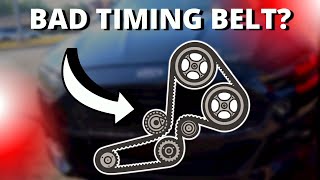
The timing chain in the 4.3L V6 is generally durable, but it can stretch over high mileage. A stretched chain can cause a range of problems, from noise to poor performance. Unlike timing belts, which require replacement at regular intervals, timing chains are designed to last a long time, but they don't last forever.
Key Symptoms of a Bad Timing Set:
🎬 Watch this video to identify common timing chain failure symptoms.- Engine Rattle: The most common sign is a rattling or clattering noise from the front of the engine, especially noticeable at idle or on startup. This is often caused by a loose timing chain slapping against the timing cover.
- Engine Misfires: A stretched chain can jump a tooth on a sprocket, throwing off the engine's timing. This can lead to engine misfires, rough running, and a loss of power.
- Metal Shavings in Oil: During an oil change, discovering metal shavings in the drained oil can be a serious red flag. These could be bits of a failing timing gear or other internal engine components wearing out due to the bad timing chain.
- Check Engine Light: While less common on pre-OBDII vehicles like the '87-'93 Blazer, severe timing issues can sometimes trigger a check engine light if your vehicle is a later model in this range. Common related codes on newer vehicles include P0300 (random misfire), P0016, and P0017.
OEM vs. Aftermarket Quality
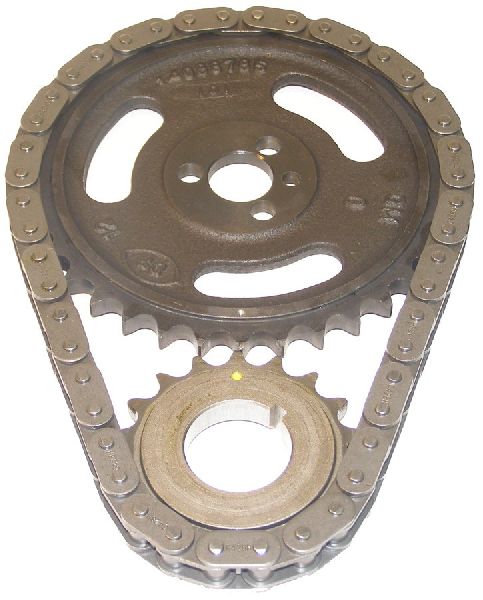
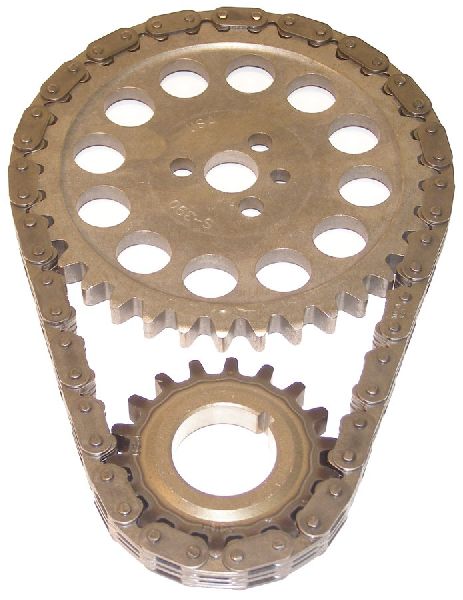
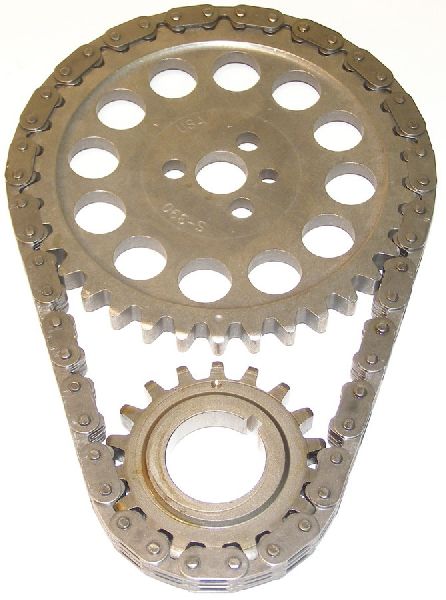
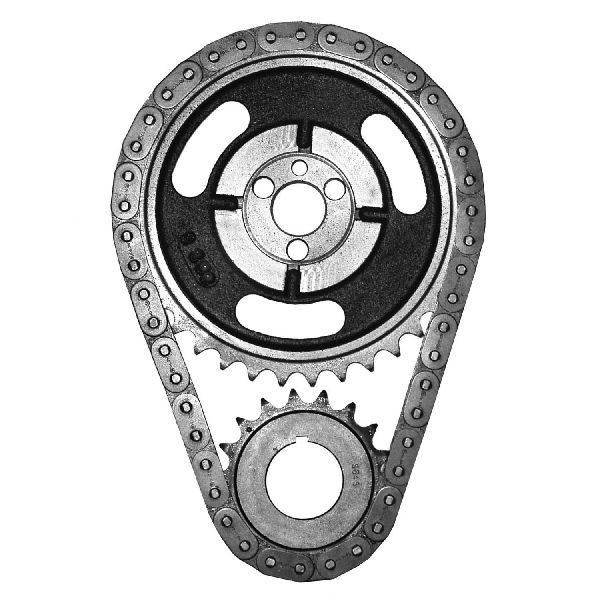
Original timing sets on many GM engines of this era, including the 4.3L V6, sometimes used a camshaft sprocket with nylon-coated teeth over an aluminum or iron hub. This was done to reduce engine noise. However, these nylon teeth can become brittle and break off over time, leading to a loose chain or complete failure. Most aftermarket replacements, even standard-grade ones, use all-metal (cast iron or steel) sprockets, which offer significantly improved durability. For a stock or mildly modified Blazer, a quality aftermarket set is often considered an upgrade over the original design.
Choosing the Right Aftermarket Timing Set
When shopping for a new timing set, you'll find several reputable brands. The key is to choose one that fits your budget and how you use your Blazer. It's important to note whether your 4.3L V6 engine has a balance shaft, as this affects which kit you need. This was common from 1992 onwards.
Brand & Quality Tiers:
- Standard Replacement (Good): Brands like INA and some entry-level Cloyes kits provide reliable, OE-quality performance for a daily driver. They meet or exceed original specifications and are a cost-effective way to get your Blazer back on the road.
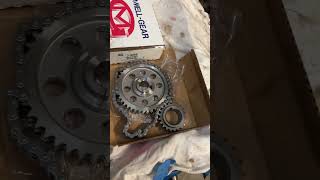
- Heavy-Duty OE Replacement (Better): Brands like Melling are well-regarded for producing high-quality, durable timing components. They are an excellent choice for owners looking for added peace of mind and longevity, especially if you tow or put your Blazer through heavy use. Some direct comparisons 🎬 See a side-by-side comparison of Cloyes and Melling timing sets. show Melling sets having less chain slack out of the box than some economy brands.
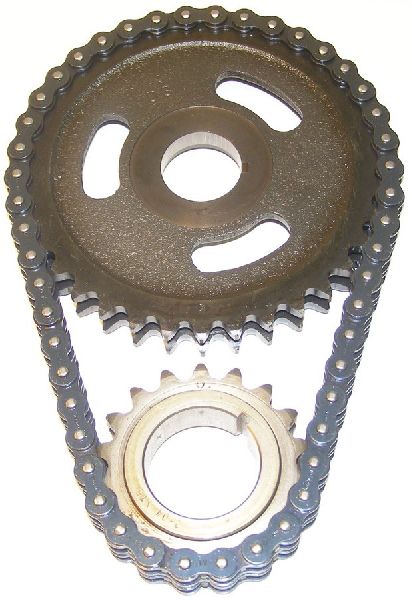
- Performance (Best): For modified engines or those seeking maximum durability, brands like Edelbrock, COMP Cams, and Melling Select Performance offer high-strength sets. These often feature double-roller chains and billet steel gears, designed for high-RPM and high-stress applications. While more expensive, they provide the ultimate in timing accuracy and strength.
Estimated Costs for Timing Set Replacement
| Part Type | Estimated Cost |
|---|---|
| New Aftermarket Timing Set | $24 - $87 |
| Shop Labor | $450 - $700 |
| Total Estimated Cost | $474 - $787 |
Note: Costs are estimates and can vary based on location, vehicle condition, and specific parts chosen.
Frequently Asked Questions
Is the 4.3L V6 an interference engine?
No, the conventional Chevrolet 4.3L V6 engine from this era is a non-interference design. This means that if the timing chain were to break completely, the pistons would not strike and damage the valves. However, the engine will stop running and leave you stranded.
Do I need a single or double roller timing chain?
For a stock or lightly modified engine, a standard-link or "silent" type chain is perfectly adequate and meets OEM standards. A double roller chain offers extra strength and is a good upgrade for performance builds or heavy-duty use, but it is not essential for a daily driver.
What is a balance shaft and how do I know if I have one?
The balance shaft is an additional shaft in the engine designed to smooth out vibrations inherent in a 90-degree V6 design. On the 4.3L engine, it was introduced around 1992. Timing sets for engines with a balance shaft are different from those without. You must verify which engine you have before ordering parts.
Can I replace just the chain?
It is never recommended to replace only the timing chain. The sprockets wear down along with the chain. Installing a new chain on old, worn sprockets will cause the new chain to wear out very quickly and can lead to improper timing. Always replace the chain and sprockets as a complete set.
Helpful Videos
Technical Specifications
OEM Part Numbers: 10144067 12552128 10168441
The most common engine is the 4.3L V6. Key variations include kits for engines with or without a balance shaft. Standard kits use a silent-type chain with 46 links. Sprockets are typically cast iron with 36 teeth on the camshaft gear and 18 teeth on the crankshaft gear.
We Have This Part in Stock

The information in this article is provided for general reference and educational purposes only. Vehicle specifications, procedures, and part compatibility can vary by production date, trim level, and region. Always consult your vehicle's factory service manual and verify part numbers before purchasing or performing repairs. Safety-critical components such as airbags, seat belts, and braking systems should be installed by a qualified professional.
- Chevrolet Blazer: