

Engine Coolant Bypass Hose Replacement Guide for the 1987-1993 Chevrolet Cavalier
Don't let a small rubber hose cause major engine problems in your Cavalier.
- A failing bypass hose will cause coolant leaks and engine overheating, which can lead to catastrophic engine damage.
- On a 30+ year old car, if one hose is bad, all other original coolant hoses (radiator, heater) should be replaced at the same time.
- Use a pre-molded hose from a quality aftermarket brand like Gates, Continental, or Dayco for a reliable repair.
- Always bleed the air from the cooling system after the repair to prevent overheating issues.
Is Your Cavalier's Bypass Hose Failing?
On a car from this era, rubber parts like coolant hoses fail due to age more than anything else. Decades of exposure to heat, pressure, and engine chemicals cause the rubber to become hard, brittle, and weak. A failed bypass hose can quickly lead to major engine damage from overheating. Watch for these clear warning signs.
Symptoms of a Bad Bypass Hose
- Coolant Leaks: This is the most common symptom. You may find puddles of green or orange coolant under your car, often towards the back of the engine. You might also see white, crusty stains or wetness on or around the hose itself.
- Engine Overheating: A significant leak will cause your temperature gauge to climb. A complete hose rupture will cause a rapid loss of coolant, which is an emergency that can destroy your engine if you continue to drive.
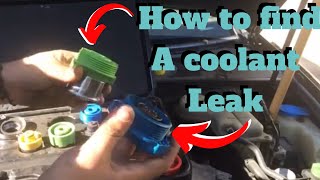
- Sweet Smell: Antifreeze has a distinct sweet, syrupy smell. If you notice this odor in or around your engine bay, you have a coolant leak, even if you can't see it yet. 🎬 Watch this guide on how to find and fix coolant leaks.
- Spongy or Hard Hose: With the engine cool, feel the hose. It should be firm but slightly flexible. If it feels rock-hard, brittle, mushy, or swollen, it is failing internally and must be replaced immediately.
A Note on Vehicle Age
For a 1987-1993 Chevrolet Cavalier, if one coolant hose has failed, the others are not far behind. The upper and lower radiator hoses and the two heater hoses have all experienced the same amount of wear. It is strongly recommended to replace all of them at the same time to prevent future breakdowns.
Choosing the Right Aftermarket Hose
Original equipment (OEM) hoses for a vehicle of this age are likely discontinued and unavailable. The aftermarket is your primary source, and several reputable brands offer quality replacements.
- Premium Brands (Gates, Continental): Gates is widely considered a top-tier aftermarket brand, often with fit and quality that meets or exceeds the original part. Continental (sometimes branded as ContiTech) is another excellent choice known for its durable rubber compounds. These brands are a reliable choice for a perfect fit and long service life.
- Standard Brands (Dayco): Dayco is a well-known brand that offers a good balance of quality and value. While some mechanics have noted occasional fitment issues compared to Gates, they are generally a dependable option for this application.
For a critical part like a coolant hose, the small price difference for a premium brand is a worthwhile investment in reliability.
Pro Tip: Always replace the hose clamps when you replace a hose. Old clamps can lose their tension and may not seal the new hose properly, leading to leaks. 🎬 See a step-by-step walkthrough of the hose replacement process. Spring-style clamps are often better than worm-gear clamps for maintaining consistent pressure as the rubber expands and contracts.
Estimated Replacement Costs
The cost to replace the engine coolant bypass hose can vary, but it is generally an inexpensive repair. The biggest variable is whether you do the work yourself or hire a professional.
| Item | Estimated Cost |
|---|---|
| New Aftermarket Hose | $11.67 - $80.54 |
| Shop Labor | $80 - $150 |
| Total Professional Repair | $92 - $231 |
Note: Prices are estimates and can vary based on your location and the specific parts chosen. This estimate is for the bypass hose only; replacing all coolant hoses will increase parts and labor costs.
Frequently Asked Questions
Are there any recalls for this part on my Cavalier?
No. Searches of the National Highway Traffic Safety Administration (NHTSA) database show no recalls or specific technical service bulletins (TSBs) for the engine coolant bypass hose on the 1987-1993 Chevrolet Cavalier. Failures are considered normal wear and tear for a vehicle of this age.
Can I replace the bypass hose myself?
Yes, this is a job that a DIY mechanic with basic tools can perform. You will need to drain some coolant, access the hose clamps, and then carefully refill and bleed the air from the cooling system. Failure to bleed the system properly can cause air pockets that lead to overheating.
What kind of coolant should I use in my 1987-1993 Cavalier?
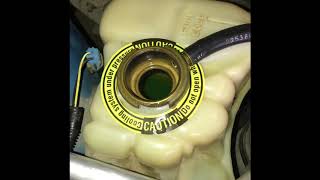
These vehicles originally used a traditional green inorganic acid technology (IAT) coolant. It is important not to mix coolant types. If you are unsure what is in the system, it is best to perform a complete flush and refill with a new, compatible green coolant.
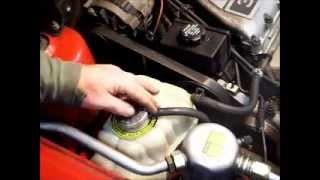
🎬 Watch: How to perform a full coolant flush on your Cavalier.Why is the hose molded into a specific shape? Can't I use a straight hose?
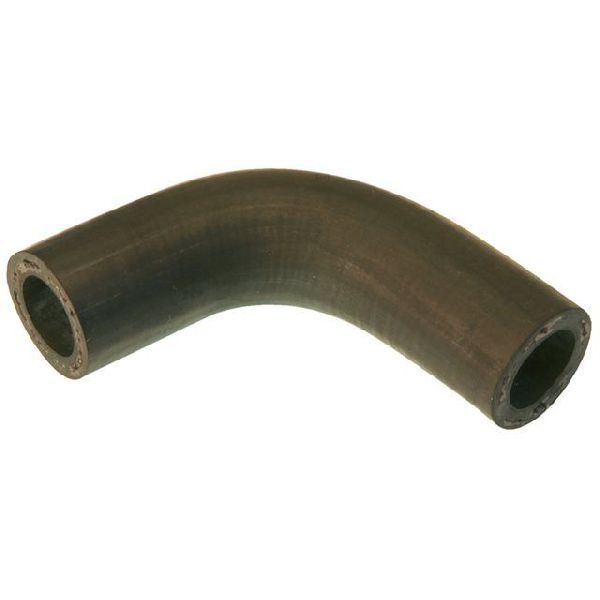
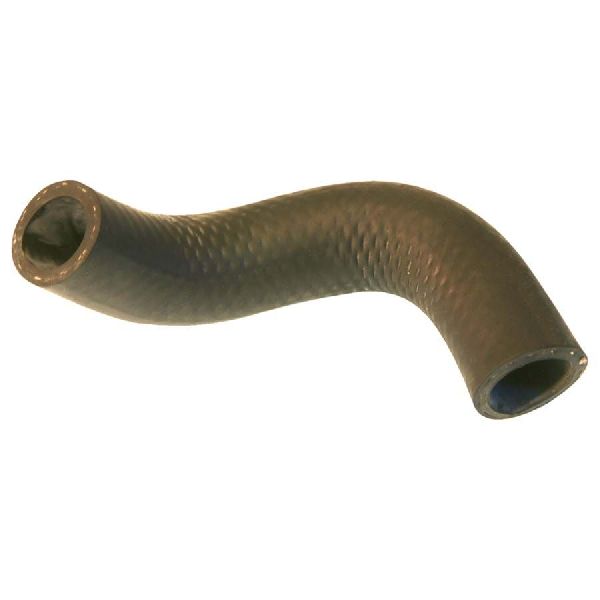
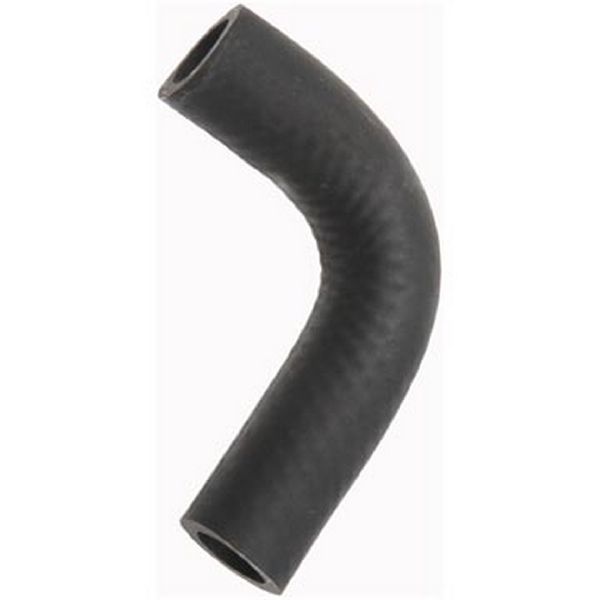
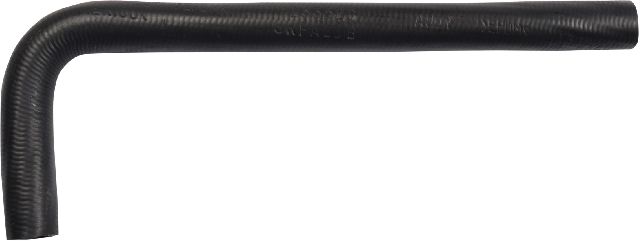
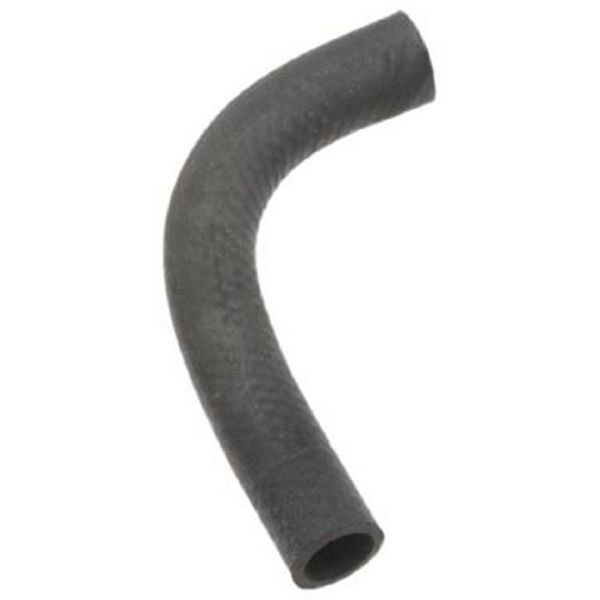
You must use a pre-molded hose designed for your specific engine (e.g., 2.0L, 2.2L, or 2.8L V6). These hoses have specific bends to route around other components without kinking or rubbing, which would cause premature failure. Using a straight piece of hose is not recommended.
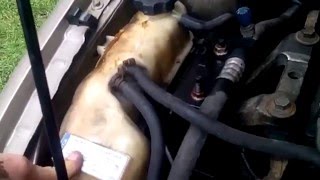
Helpful Videos
Technical Specifications
Material: EPDM Rubber. Type: Molded. Varies by engine size (2.0L L4, 2.2L L4, 2.8L V6).
We Have This Part in Stock


The information in this article is provided for general reference and educational purposes only. Vehicle specifications, procedures, and part compatibility can vary by production date, trim level, and region. Always consult your vehicle's factory service manual and verify part numbers before purchasing or performing repairs. Safety-critical components such as airbags, seat belts, and braking systems should be installed by a qualified professional.
- Chevrolet Cavalier: