

Mazda B2200 Engine Coolant Temperature Sensor and Sender Guide (1987-1993)
Here is what you need to know about the temperature sensor and sending unit for your carbureted 2.2L engine.
- The most common failure symptom is a dead temperature gauge that always reads cold.
- This is a simple, single-wire sending unit, not a complex computer sensor.
- Test the gauge by grounding the sensor wire before buying a new part.
- This is an easy and inexpensive DIY repair that most owners can do in under 30 minutes.
Is Your Temp Gauge Lying to You?
A faulty temperature gauge sender is a common issue on the 1987-1993 Mazda B2200. Because this part is a simple wear item, it often fails after decades of service. The most frequent complaint is a temperature gauge that stops working entirely, staying stuck on "C". Another symptom is a gauge that reads incorrectly or behaves erratically. Since this gauge is your only window into the engine's operating temperature, a faulty sender can leave you guessing and unable to spot a real overheating problem before it causes engine damage.
Don't Confuse the Sender with Other Sensors
Your B2200 may have more than one temperature-related part. The component that controls your dash gauge is a single-wire "sending unit" located on the engine near the thermostat housing. Don't confuse it with other multi-wire sensors or switches that might be on the intake manifold or radiator for emissions control systems. If your problem is a dead temperature gauge, the single-wire sender is almost always the culprit.
Common Symptoms of a Failing Temp Sender
- Temperature gauge is dead: The needle never moves from the cold position, even after the truck is fully warmed up.
- Gauge reads incorrectly: The gauge may show the engine is hot when it's not, or it may fluctuate randomly.
- Poor fuel economy: While the gauge sender doesn't directly control the carburetor, other failing temp switches related to the emissions system can sometimes lead to poor performance and fuel use.
- Check Engine Light: This is not applicable. These trucks are pre-OBD-II and do not have a standard "Check Engine Light" related to this sensor.
Choosing the Right Aftermarket Part
For a 30-plus-year-old truck, finding an original Mazda (OEM) part can be difficult and expensive. Aftermarket brands offer a reliable and affordable solution. The quality of a simple gauge sender is generally good across the board, but here’s how they break down:
- Premium Brands (NGK, Delphi): These brands have a strong reputation for producing sensors that meet or exceed original specifications. They are often trusted by professional mechanics.
- OE-Equivalent Brands (Beck Arnley, Standard Ignition, Hella): These companies specialize in creating parts that match the form, fit, and function of the original. They are a solid, dependable choice for this repair.
- Value Brands (Four Seasons, URO Parts, etc.): These brands offer a cost-effective option that gets the job done. For a simple gauge sender, they are a perfectly acceptable choice for a budget-conscious repair.
Pro Tip: Before replacing the sensor, try a simple test. Disconnect the single wire from the sender and touch it to a clean metal part of the engine block. Turn the ignition key to the 'ON' position without starting the engine. If the temperature gauge on your dash swings all the way to 'H', the gauge and wiring are likely good, and you just need a new sender.
| Part Type | Estimated Cost |
|---|---|
| New Aftermarket | $10 - $58 |
| Shop Labor | $50 - $100 |
| New OEM | $60 - $120+ (If available) |
Frequently Asked Questions (FAQ)
Where is the temperature sender located on my Mazda B2200?
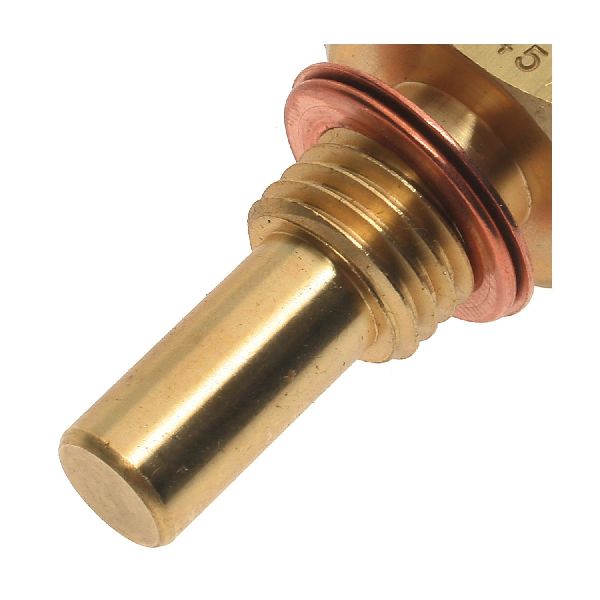
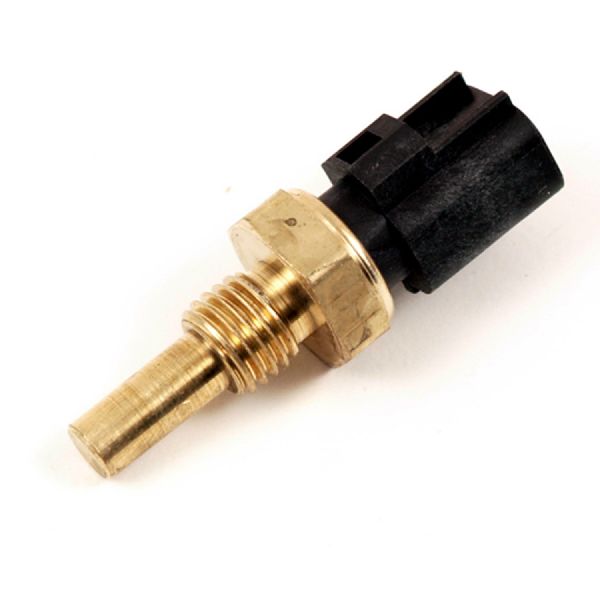
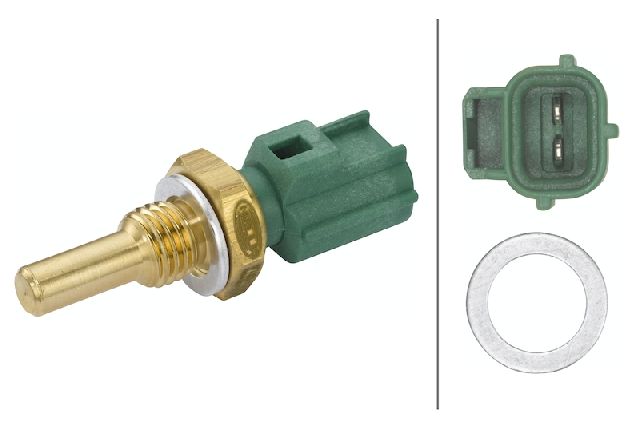
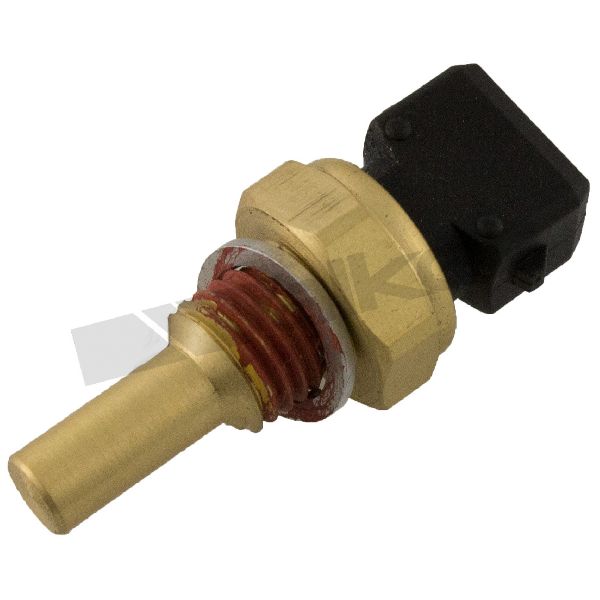
The temperature gauge sending unit is located on the engine block, near the thermostat housing where the upper radiator hose connects. It is a small, brass-colored sensor with a single electrical connector.
Is this repair difficult to do myself?
No, this is a very easy repair for a DIYer. It requires basic hand tools, and you can typically complete it in under 30 minutes. You will need to drain a small amount of coolant before you start.
Do I need to use thread sealant on the new sensor?
Yes, it is highly recommended to apply a small amount of high-temperature thread sealant to the threads of the new sensor before installing it. This ensures a leak-proof seal. Some new sensors may come with sealant pre-applied.
My temp gauge still doesn't work after replacing the sender. Now what?
If a new sender doesn't fix the issue, the problem could be with the wiring between the sender and the gauge, the gauge itself, or the voltage regulator in the instrument cluster. The grounding test mentioned in the 'Pro Tip' section can help diagnose this before you buy a part.
Technical Specifications
OEM Part Numbers: B593-18-840A
This is a single-terminal (1-pin) sending unit, typically with a bullet-style connector. It is responsible for operating the dashboard temperature gauge only.
We Have This Part in Stock


The information in this article is provided for general reference and educational purposes only. Vehicle specifications, procedures, and part compatibility can vary by production date, trim level, and region. Always consult your vehicle's factory service manual and verify part numbers before purchasing or performing repairs. Safety-critical components such as airbags, seat belts, and braking systems should be installed by a qualified professional.
- Mazda B2200: