

Engine Coolant Temperature Sensor Guide for 1987-1993 Mazda B2600
Solve poor fuel economy and rough running in your B2600 by understanding and replacing the right coolant sensor.
- Identify if you need the 2-wire ECU 'sensor' for performance issues or the 1-wire 'sender' for a faulty gauge.
- Symptoms like bad MPG, black smoke, and rough idle strongly point to a failing ECT sensor.
- Replacement is a simple DIY task that can be done in under 30 minutes with basic tools.
- Choosing a quality brand like NGK (NTK) is recommended for this critical sensor to ensure accuracy and longevity.
Is Your B2600 Running Rough or Getting Bad Gas Mileage?
A failing Engine Coolant Temperature (ECT) sensor can be the hidden cause of several frustrating engine problems in your 1987-1993 Mazda B2600. This small sensor has a big impact on how your truck performs, and when it sends incorrect information to the engine's computer, it can lead to issues that seem much more complex. This guide will help you identify the symptoms of a bad sensor, choose the correct replacement part, and understand what the job involves.
Symptoms of a Failing ECT Sensor
When the ECT sensor fails, it typically gets stuck sending either a "cold" or "hot" signal. This tricks the engine's computer and can cause noticeable problems:
- Poor Fuel Economy: If the sensor is stuck on "cold," the computer will continuously send extra fuel to the engine, thinking it's still warming up. This leads to a noticeable drop in your miles per gallon.
- Black Smoke from Exhaust: An overly rich fuel mixture from a bad sensor reading means not all the fuel can be burned in the engine. This unburnt fuel then burns in the hot exhaust pipe, creating black smoke.
- Engine Overheating: A faulty sensor might fail to signal that the engine is getting too hot. This can prevent electric cooling fans from turning on at the right time, leading to overheating.
- Rough Idle or Stalling: The wrong fuel mixture can make your truck's engine run poorly, especially at idle. It may shake, vibrate, or even stall.
- Check Engine Light: The truck's computer is smart enough to know when the signal from the ECT sensor doesn't make sense, which will often trigger the Check Engine Light. Common trouble codes include P0115, P0118, and P0125.
- Erratic Temperature Gauge: If the temperature gauge on your dashboard is acting strangely or not moving at all, this usually points to a failure of the separate temperature 'sender' unit.
Critical: Sensor vs. Sender - Don't Order the Wrong Part!
Your 1987-1993 B2600 likely uses two different temperature units. It is crucial to identify which one you need to replace:
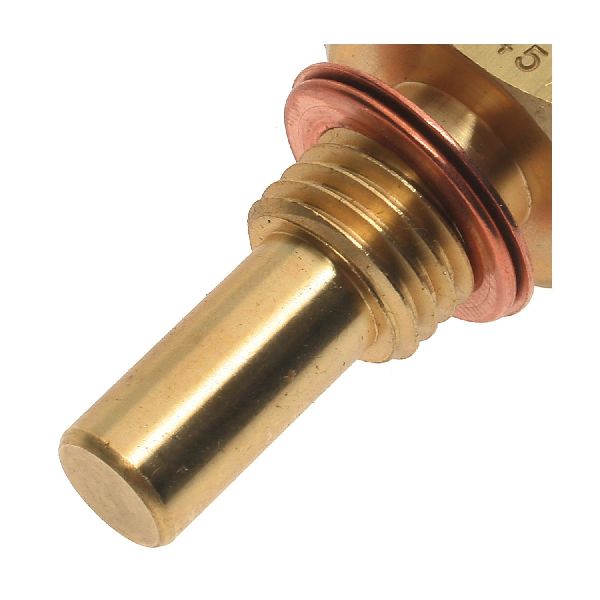
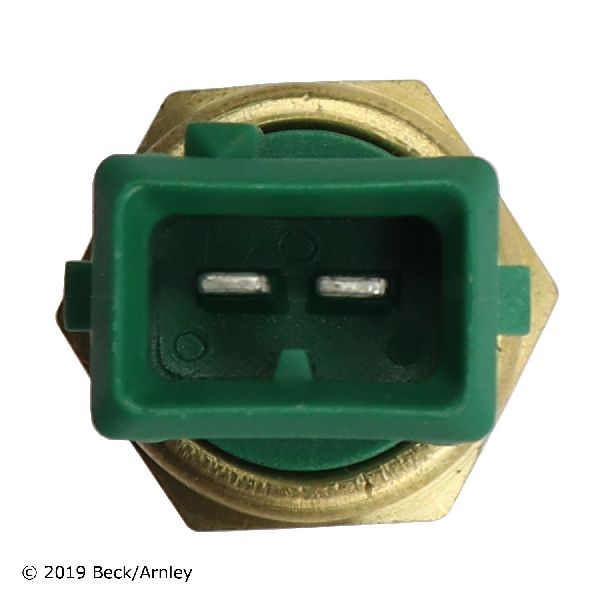
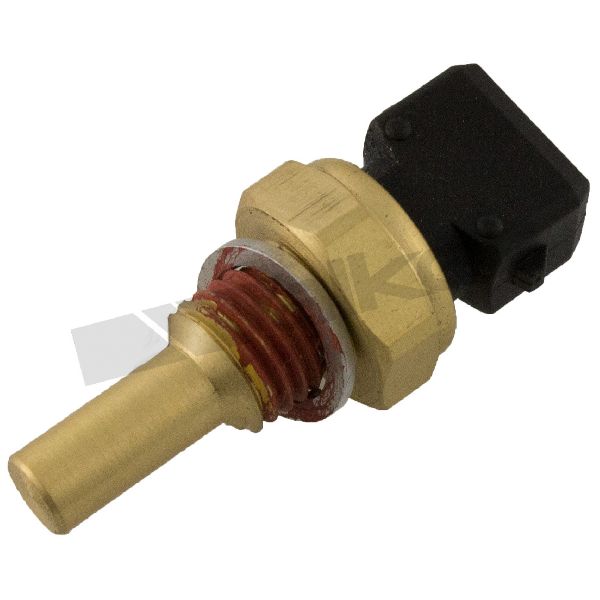
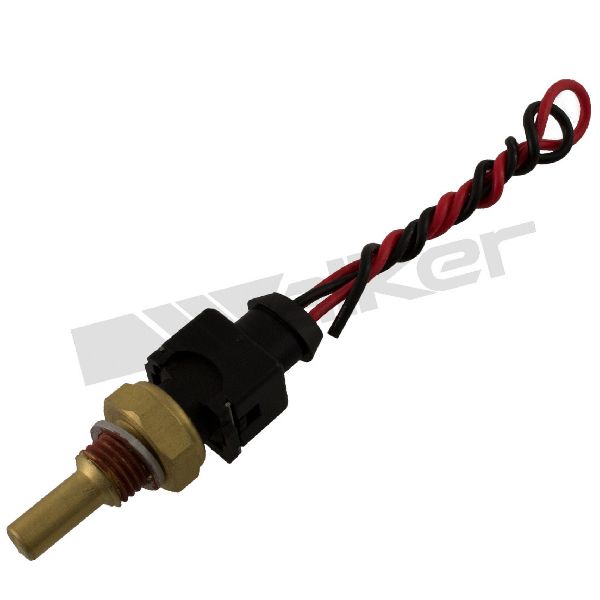
- Engine Coolant Temperature (ECT) Sensor: This part communicates with the engine computer (ECU) to control fuel and timing. On fuel-injected B2600i models (1989-1993), this is typically a two-terminal sensor. A failure here causes the performance issues listed above.
- Temperature Sender (or Sending Unit): This part's only job is to operate the temperature gauge on your dashboard. It is usually a smaller, one-terminal unit. If your only symptom is a faulty gauge, this is likely the part you need.
Always check the number of electrical pins on your existing part before ordering a replacement.
Choosing the Right Aftermarket ECT Sensor
For a critical component like an ECT sensor, quality matters. While OEM parts from a Mazda dealer are an option, the aftermarket offers several tiers of quality at different price points. Given the age of the B2600, a high-quality aftermarket part often provides the best value.
- Premium Brands (NGK/NTK): NGK (under their NTK sensor brand) is a well-respected original equipment manufacturer for many Japanese vehicles. Their sensors are known for matching OE specifications for fit and performance, ensuring accurate readings. For peace of mind, this is a top choice.
- Reputable Aftermarket (Beck Arnley, Standard Ignition): Brands like Beck Arnley and Standard Motor Products (SMP) have a long history in the aftermarket. Beck Arnley focuses on sourcing parts that match the original foreign nameplate specs. However, quality can sometimes vary, so it's important to buy from a reputable source.
- Standard/Economy Brands (Four Seasons, URO Parts, etc.): These brands offer a cost-effective solution and can be a good choice if budget is the primary concern. They are designed to function correctly, but may not have the same long-term durability or precise calibration as premium brands.
Cost of Replacing a Mazda B2600 ECT Sensor
The cost to replace the ECT sensor is very reasonable, especially if you do it yourself. Note that some online estimators show very high costs, which may be based on inflated dealer part prices that are not realistic for this truck.
| Part/Service | Estimated Cost |
|---|---|
| New Aftermarket Sensor/Sender | $10 - $50 |
| New OEM Sensor/Sender | $50 - $70 |
| Shop Labor | $75 - $150 |
| DIY Total Cost | $10 - $50 |
| Shop Total Cost | $85 - $200 |
Pro Tip: Quick-Swap Installation
You can replace the ECT sensor without draining all your coolant. Make sure the engine is completely cool. Have the new sensor ready with any required thread sealant or o-ring installed. When you unscrew the old sensor, a small amount of coolant will leak out. Quickly install the new sensor and tighten it to the proper specification. Top off any lost coolant afterward.
Frequently Asked Questions
Where is the ECT sensor located on a 1987-1993 Mazda B2600?
The ECT sensor and sender are typically located on or near the engine's thermostat housing, which is where the large upper radiator hose connects to the engine. You may need to trace the wiring to distinguish between the two-wire sensor and the one-wire sender.
Are there any recalls for the B2600 coolant temperature sensor?
No. Searches of the National Highway Traffic Safety Administration (NHTSA) database and other records show no open recalls or relevant technical service bulletins (TSBs) for the engine coolant temperature sensor on the 1987-1993 Mazda B2600.
Can I replace the ECT sensor myself?
Yes, this is a very DIY-friendly job for most home mechanics. It requires basic hand tools, and the part is usually easy to access. The main steps are disconnecting the electrical connector, unscrewing the old sensor, and installing the new one.
What happens if I don't replace a bad ECT sensor?
Ignoring a bad ECT sensor can lead to long-term problems. Continuously running rich can foul your spark plugs and damage the catalytic converter. More critically, if the sensor fails to detect an overheating condition, you risk severe engine damage like a blown head gasket or warped cylinder head.
Technical Specifications
OEM Part Numbers: 8574-18-840 B593-18-840A Y70118510
Varies by function. The ECU sensor for fuel-injected models is typically a 2-terminal connector. The gauge sender is a 1-terminal connector. Both are usually made of brass and are threaded for installation into the engine or thermostat housing.
We Have This Part in Stock


The information in this article is provided for general reference and educational purposes only. Vehicle specifications, procedures, and part compatibility can vary by production date, trim level, and region. Always consult your vehicle's factory service manual and verify part numbers before purchasing or performing repairs. Safety-critical components such as airbags, seat belts, and braking systems should be installed by a qualified professional.
- Mazda B2600:
- 🛍️ Shop This Part
- Is Your B2600 Running Rough or Getting Bad Gas Mileage?
- Symptoms of a Failing ECT Sensor
- Critical: Sensor vs. Sender - Don't Order the Wrong Part!
- Choosing the Right Aftermarket ECT Sensor
- Cost of Replacing a Mazda B2600 ECT Sensor
- Pro Tip: Quick-Swap Installation
- Frequently Asked Questions
- 🎟️ Get 5% Off