

Accessory Drive Belts for the 1987-1989 BMW M6 (E24)
Keeping the legendary S38 engine running smoothly starts with healthy accessory belts.
- Your 1987-1989 M6 uses multiple V-belts, not a single serpentine belt, to drive accessories.
- Inspect belts regularly for cracks, fraying, and glazing; replace them as a set for best results.
- Squealing noises are a direct warning of a loose or worn belt that needs attention.
- Continental is a known OEM supplier for BMW, making their aftermarket belts a reliable choice.
Understanding Your M6's Accessory Belts
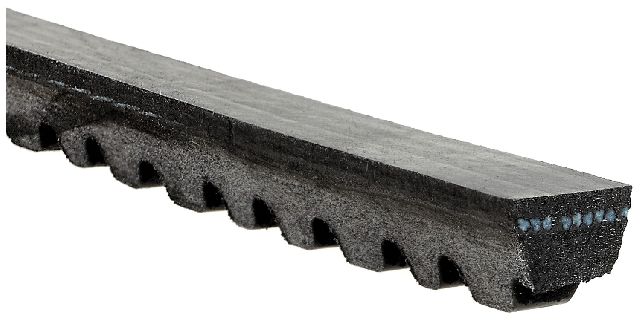
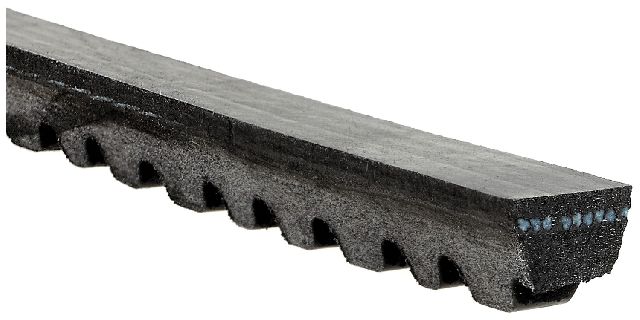
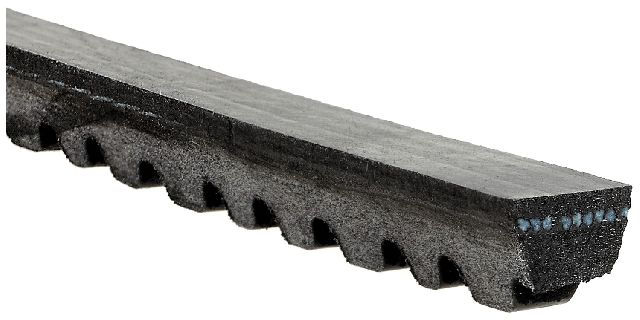
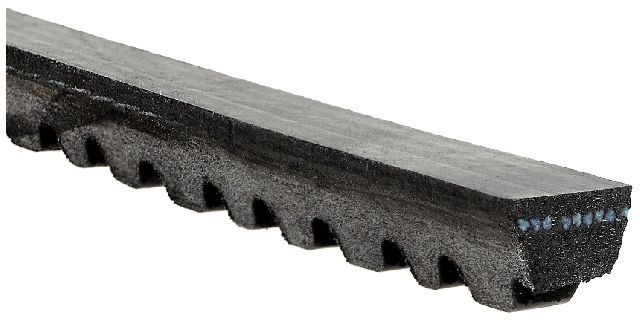
The E24 M6, produced for the North American market from 1987 to 1989, features a robust S38 engine that uses a multiple V-belt system. This is different from newer vehicles that use a single serpentine belt. These V-belts are responsible for driving the alternator, power steering pump, and A/C compressor. Over time, the rubber in these belts degrades from heat, friction, and exposure to engine fluids, leading to cracks, fraying, and stretching. A failed belt can leave you stranded by causing the battery to die (failed alternator belt) or making steering extremely difficult (failed power steering belt).
Symptoms of a Failing Accessory Belt
It's important to recognize the signs of a worn-out belt before it fails completely. Ignoring these symptoms can lead to a breakdown or damage to other components. Be alert for:
- Squealing or Chirping Noises: This is the most common symptom, often caused by a loose or worn belt slipping on a pulley. The noise might be more noticeable on cold starts or when the A/C is turned on.
- Visible Wear: Inspect your belts for cracks, glazing (a shiny, smooth surface), fraying, or missing chunks of rubber. Any visible damage means the belt should be replaced immediately.
- Dimming Lights or Battery Warning: If the alternator belt is slipping, it can't effectively turn the alternator, leading to an undercharged battery and a warning light on your dashboard.
- Stiff Steering: If the power steering belt fails, you will lose power assistance, making the steering wheel very difficult to turn, especially at low speeds.
Choosing the Right Aftermarket Belts
For a classic vehicle like the E24 M6, choosing a quality aftermarket belt is crucial. The main brands available—Continental, Gates, and Dayco—are all reputable manufacturers that supply parts to automakers.
- Continental (ContiTech): Often a direct Original Equipment Manufacturer (OEM) for BMW. Choosing a Continental belt is typically the closest you can get to the original part from the dealership. They are known for their quality and proper fit.
- Gates: A highly respected aftermarket brand with a strong reputation for quality in belts and hoses. Many professional mechanics trust and use Gates products without hesitation.
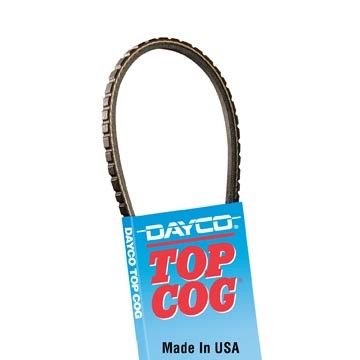
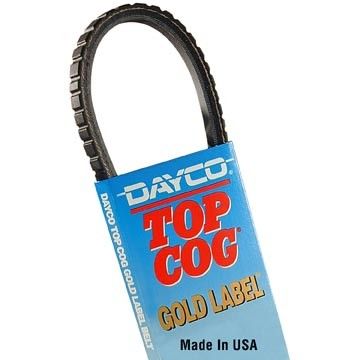
- Dayco: Another major OEM supplier, Dayco produces quality belts. While some users have noted their belts can be stiffer than others, they are generally considered a reliable choice.
Pro Tip: Since you are replacing one belt, it's highly recommended to replace all of them at the same time. This saves on labor and ensures the entire accessory drive system is fresh. Also, inspect the belt tensioners and pulleys for wear, as a failing pulley can quickly destroy a new belt.
Cost of Aftermarket Accessory Belts
| Item | Estimated Cost |
|---|---|
| New Aftermarket Belts (Per Belt) | $7.35 - $38.25 |
| Shop Labor for Replacement (All Belts) | $100 - $200 |
Frequently Asked Questions
How many accessory belts does my 1987-1989 M6 have?
Your M6 uses a multiple V-belt system. There are separate belts for the alternator, power steering pump, and air conditioning compressor. You will need to purchase a set of belts, not just one.
Are there any recalls for the accessory belts on the E24 M6?
A search of the National Highway Traffic Safety Administration (NHTSA) database shows no specific recalls for accessory drive belts on the 1987-1989 BMW M6. Any issues are typically related to age and wear, which are considered maintenance items.
Can I replace the belts myself?
Yes, replacing the V-belts on an S38 engine is a feasible DIY job for someone with basic mechanical skills and tools. The process involves loosening the tension on each accessory, removing the old belt, and installing the new one. Ensure you understand the correct tensioning procedure to avoid premature wear or slipping.
Why is it important to check the pulleys when replacing belts?
The pulleys and tensioners guide the belts and keep them tight. Bearings in these pulleys can wear out, causing wobbling or noise. A bad pulley can quickly damage or throw off a brand new belt, potentially leading to more severe engine damage if the belt gets tangled.
What happens if an oil leak gets on the belts?
Engine oil will cause the rubber in the belts to soften, swell, and degrade quickly. This leads to slipping, squealing, and eventual failure. If you have an oil leak, such as from the oil filter housing, it's critical to fix it before replacing the belts to avoid repeated failures.
Technical Specifications
OEM Part Numbers: Alternator Belt: 11231711090, 11231706668 A/C Compressor Belt: 64521711058, 64521706826 Power Steering Belt: 32421711067
The E24 M6 uses a multiple V-belt system. Common sizes include 13x1055mm for the alternator, 13x800mm for the A/C, and 10x900mm for power steering, but always verify the correct size for your specific vehicle configuration before ordering.
We Have This Part in Stock

The information in this article is provided for general reference and educational purposes only. Vehicle specifications, procedures, and part compatibility can vary by production date, trim level, and region. Always consult your vehicle's factory service manual and verify part numbers before purchasing or performing repairs. Safety-critical components such as airbags, seat belts, and braking systems should be installed by a qualified professional.
- BMW M6: