

Cadillac Seville A/C Compressor Guide for 1987-1994 Models
Keep your classic Cadillac's air conditioning running cold by choosing the right replacement A/C compressor.
- When replacing the compressor, you MUST also replace the accumulator and orifice tube and flush the system.
- The original Harrison HT6 compressor is known for leaking from its center seam, called a 'belly leak'.
- Replacement is a difficult job due to the compressor's location on the back of the engine; professional installation is recommended.
- These vehicles originally used R-12 refrigerant; if not already converted, the system should be retrofitted to R-134a during the repair.
Symptoms of a Failing A/C Compressor
When the A/C compressor in your Seville starts to fail, it will give you several warning signs. Ignoring them can lead to more expensive repairs down the road.
- No Cold Air: The most obvious sign is warm or lukewarm air coming from the vents. This happens when the compressor can no longer effectively pressurize the refrigerant.
- Unusual Noises: A failing compressor often makes noise when the A/C is on. A grinding or squealing sound can point to bad internal bearings, while a rattling may indicate loose mounting bolts or failing internal parts.
- Clutch Problems: The compressor's clutch engages to turn the compressor on. If you hear a loud click but get no cold air, or if the clutch doesn't engage at all, it could be a failed clutch coil or an electrical issue. The system also has pressure switches that will prevent the clutch from engaging if the refrigerant level is too low.
- Visible Leaks: The A/C system uses a special oil (PAG oil) that circulates with the refrigerant. If you see a greasy, grimy buildup on the compressor body, it's likely leaking oil. The original Harrison HT6 compressor on these Cadillacs is known for leaking from the seam between its two body halves, a failure commonly called a "belly leak".
Known Issues for This Generation
The Harrison HT6 "Belly Leak"
The original compressor used in many 1987-1994 Sevilles was the Harrison HT6. This compressor has a two-piece body design that is notorious for developing leaks at the center seam over time. This allows refrigerant and oil to escape, leading to a loss of cooling. When inspecting your vehicle, look for an oily residue on the underside of the compressor body.
Choosing the Right Aftermarket Compressor
When replacing the A/C compressor, you have a few options. Since this is a critical component, choosing a quality part is important for long-term reliability.
Brand Quality Tiers
- Premium Aftermarket (ACDelco): ACDelco is GM's original parts brand. Choosing an ACDelco compressor is the closest you can get to the original factory part, offering a reliable fit and performance. They are generally considered a top-tier choice for GM vehicles.
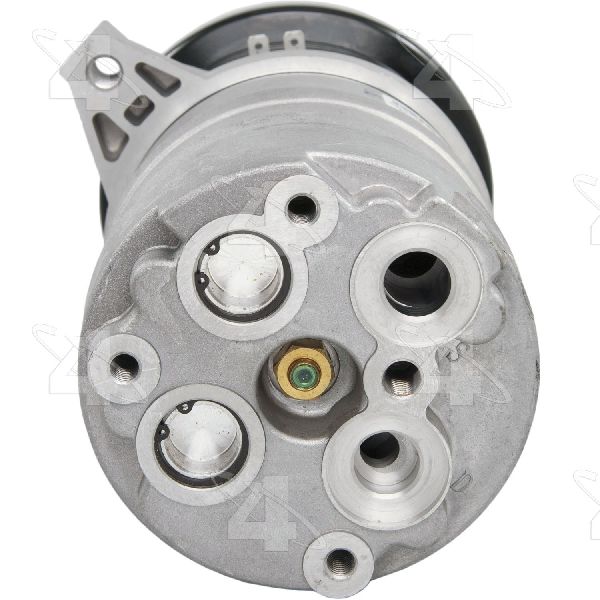
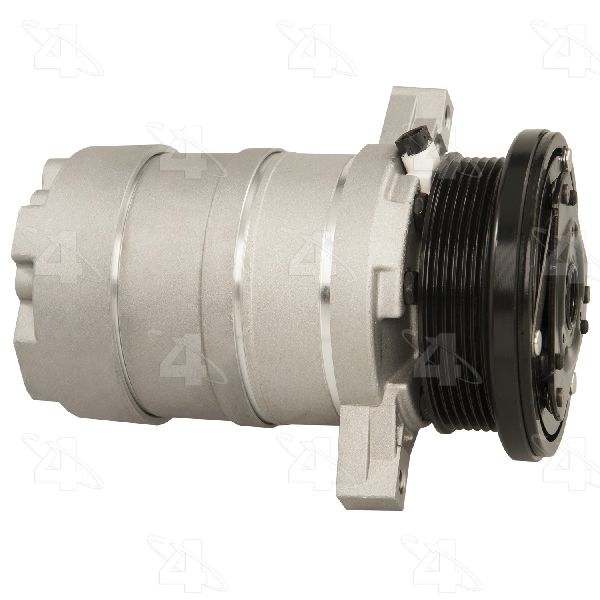
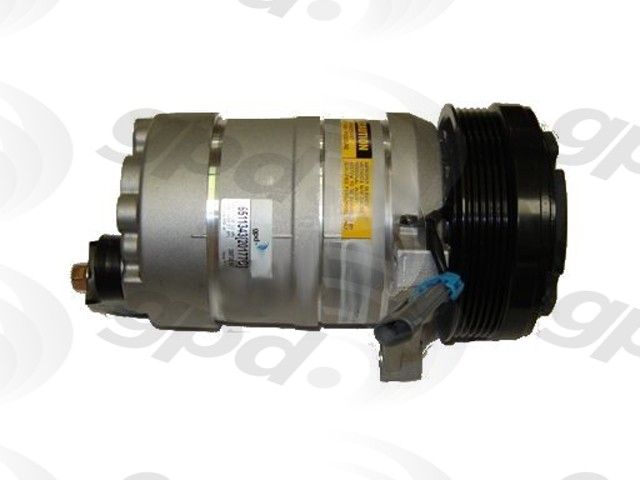
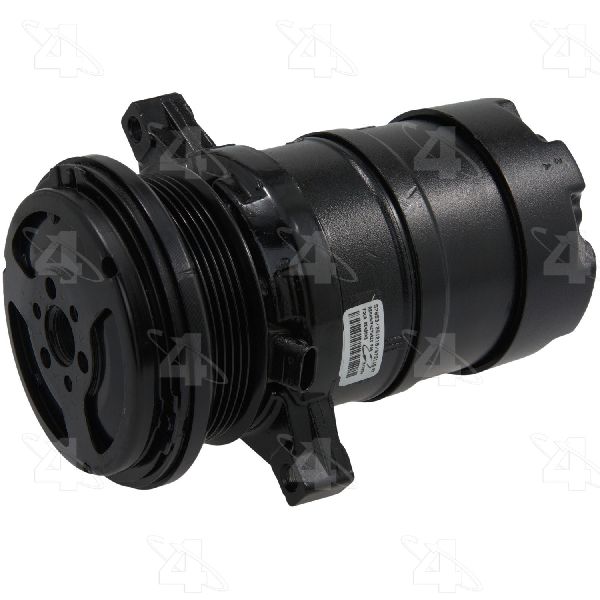
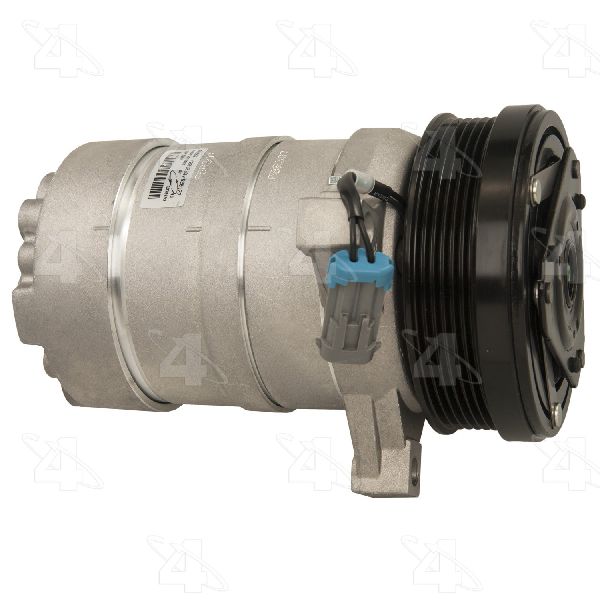
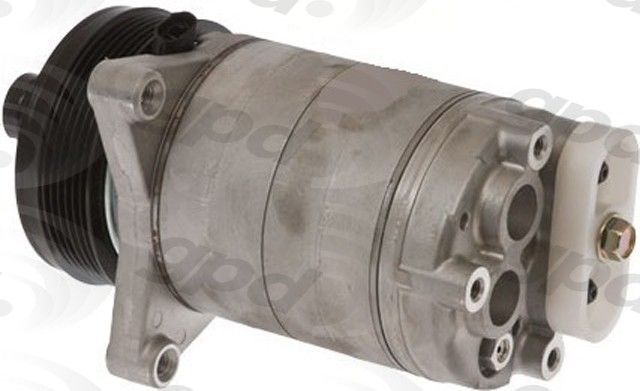
- Standard Aftermarket (Four Seasons, Global Parts): Brands like Four Seasons and Global Parts (GPD) are widely available and offer a cost-effective solution. Owner experiences with these brands can be mixed. However, their reliability greatly increases when the rest of the A/C system is serviced correctly during installation. This means you MUST replace the accumulator and orifice tube and thoroughly flush the entire system.
Installation is Key
The success of any new A/C compressor, regardless of brand, depends on proper installation. If your old compressor failed internally and shed debris (a condition known as "Black Death"), you must flush the entire system and replace the A/C accumulator and orifice tube. Skipping this step will cause debris to circulate and destroy your new compressor, often within minutes or hours of installation.
A/C Compressor Replacement Cost
The cost to replace the A/C compressor on a 1987-1994 Seville can vary. The compressor itself is located in a very tight space on the firewall side of the engine, making labor a significant part of the cost. Access may even require lowering the engine subframe.
| Item | Estimated Cost |
|---|---|
| New Aftermarket A/C Compressor | $235 - $385 |
| Shop Labor & System Recharge | $400 - $650 |
| Accumulator, Orifice Tube & Flush Kit | $50 - $100 |
| Total Estimated Cost | $685 - $1,135 |
Frequently Asked Questions
Do I have to replace other parts with the compressor?
Yes. It is critical to replace the A/C accumulator (also called a receiver/drier) and the orifice tube whenever you replace the compressor. The accumulator removes moisture from the system, and the old one will be saturated. The orifice tube is a filter that catches debris. If the old compressor failed, this tube is likely clogged with metal shavings. Failing to replace these parts will void the warranty on your new compressor and lead to its premature failure.
What is A/C "Black Death"?
"Black Death" refers to a catastrophic compressor failure where internal components shred, sending a mixture of metal shavings and dark, burnt oil throughout the entire A/C system. This contamination is highly destructive. If you have Black Death, you must thoroughly flush the condenser, evaporator, and all lines, in addition to replacing the compressor, accumulator, and orifice tube, to save the system.
My Seville originally used R-12 refrigerant. What should I do?
Vehicles made before 1995, including this generation of Seville, used R-12 refrigerant. This refrigerant is no longer produced and is very expensive. Most vehicles have been retrofitted to use modern R-134a refrigerant. A properly retrofitted system will have different service ports and a sticker under the hood indicating the change. When replacing the compressor, it is the perfect time to convert to R-134a if it hasn't been done already. This involves using a compatible PAG oil instead of the old mineral oil and installing new service fittings.
Why is the replacement so difficult and expensive?
On the 1987-1994 front-wheel-drive Cadillacs with the 4.5L or 4.9L V8, the A/C compressor is mounted low and on the back (firewall side) of the engine. Access from the top is nearly impossible, and access from below is very tight. Mechanics often need to use long extensions and swivel sockets, and in some cases, may need to slightly lower the front subframe to get enough clearance to remove the old compressor and install the new one. This difficult access is what drives up the labor time and cost.
Technical Specifications
Original compressor is typically a Harrison HT6 or HR6 model. The original system used R-12 refrigerant with mineral oil. Retrofitted systems use R-134a refrigerant with PAG 46 oil. Manifold connections differ between pre-1992 (O-rings) and 1992+ (sealing washers) models.
We Have This Part in Stock

The information in this article is provided for general reference and educational purposes only. Vehicle specifications, procedures, and part compatibility can vary by production date, trim level, and region. Always consult your vehicle's factory service manual and verify part numbers before purchasing or performing repairs. Safety-critical components such as airbags, seat belts, and braking systems should be installed by a qualified professional.
- Cadillac Seville: