

Choosing the Right Spark Plug Wire Set for Your 1987-1994 Chevrolet Blazer
A complete guide to replacing the spark plug wires on your 4.3L V6 Blazer.
- Failing wires cause misfires, rough idle, and poor fuel economy; replace them as part of a regular tune-up.
- For most owners, an OEM-quality brand like ACDelco, NGK, or Delphi offers the best balance of quality and price for the 4.3L V6.
- Replacement is a manageable DIY job; the key is to swap wires one by one to maintain the correct firing order.
- Accessing the spark plugs through the front wheel wells can make the job significantly easier.
Is It Time for New Spark Plug Wires?
The ignition wires on your Blazer operate in a harsh environment, exposed to high heat and constant vibration. Over time, the insulation can crack, and the internal conductor can break down. When this happens, the electrical energy can't reach the spark plug efficiently, leading to noticeable engine problems. Ignoring these symptoms can lead to poor performance, bad fuel economy, and potentially damage other ignition components.
Symptoms of Failing Spark Plug Wires
- Rough Idle: The engine shakes or vibrates more than usual when stopped.
- Engine Misfire: You may feel a hesitation or stumble during acceleration as a cylinder fails to fire correctly.
- Poor Acceleration: The Blazer feels sluggish and lacks power when you press the gas pedal.
- Worse Fuel Economy: Misfires cause the engine to burn fuel inefficiently, making you visit the gas station more often.
- Check Engine Light: A persistent misfire may trigger the Check Engine Light on later models in this year range.
- Visible Damage: A visual inspection may reveal cracked, burnt, or melted wires and boots.
Choosing the Right Aftermarket Wire Set
With many brands available, picking the right set can seem confusing. For the 4.3L V6 in your Blazer, quality matters for reliability. Here’s how the options generally break down:
Brand Quality Tiers
- Premium Performance (MSD, Accel, JBA, Taylor Cable): These brands are built for high performance. They often feature 8mm or larger silicone jackets, spiral-wound conductors for very low resistance, and high-quality boots. They are an excellent choice if you're looking for maximum spark energy and durability, but they come at the highest cost. Some users report excellent results, while others have noted issues with connector quality on pre-assembled kits.
- OEM-Quality (ACDelco, Delphi, NGK, Denso): ACDelco is the original equipment supplier for GM, making their wire sets a safe and reliable choice that guarantees a perfect fit. Delphi, NGK, and Denso are also highly respected manufacturers that produce wires meeting or exceeding original specifications. These are a fantastic option for a daily-driven vehicle, balancing high quality with a moderate price.
- Standard Replacement (Standard Wires, Walker Products, Prenco): These brands offer a dependable and affordable solution for getting your Blazer back on the road. They are designed to meet original factory function and are a good value for a standard tune-up.
Known Issues, Recalls, or TSBs
Searches for official recalls or Technical Service Bulletins (TSBs) from the NHTSA regarding the spark plug wires for the 1987-1994 Chevrolet Blazer did not find any specific issues. This indicates there are no widespread, factory-acknowledged defects for this part on your vehicle.
Frequently Asked Questions (FAQ)
How difficult is it to replace the spark plug wires?
This is a straightforward job for a DIYer. The biggest challenge is accessing the spark plugs, especially the one near the steering shaft on the driver's side. Taking the front wheels off and going through the wheel wells can make the job much easier. The most important rule is to replace the wires one at a time to avoid mixing up the engine's firing order.
What are spark plug wires made of?
Modern wires typically have a silicone outer jacket to resist high engine temperatures. Inside, a conductor (often a spiral-wound core) carries the electricity. This spiral core design keeps electrical resistance low for a strong spark while preventing the radio static that older solid-core wires used to cause.
Should I replace my spark plugs at the same time?
Yes, it is highly recommended. The spark plug wires and spark plugs wear out at a similar rate. Replacing them together as part of a tune-up ensures the entire ignition system is refreshed, providing optimal performance and preventing you from having to do a similar job twice.
What is dielectric grease and do I need it?
Dielectric grease is a non-conductive, silicone-based grease applied to the inside of the spark plug wire boots. It helps seal out moisture, prevents corrosion on the terminals, and makes it much easier to remove the wires in the future. Using a small amount is a recommended professional practice.
Technical Specifications
OEM Part Numbers: 19154576
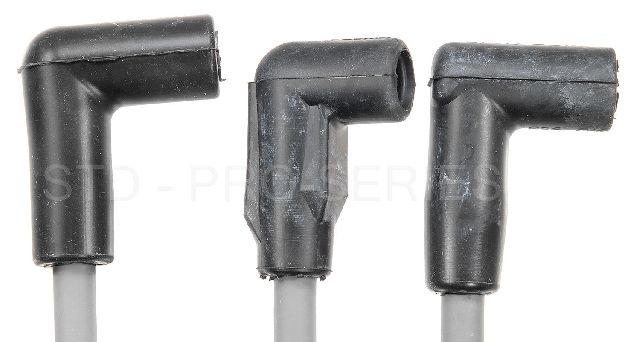
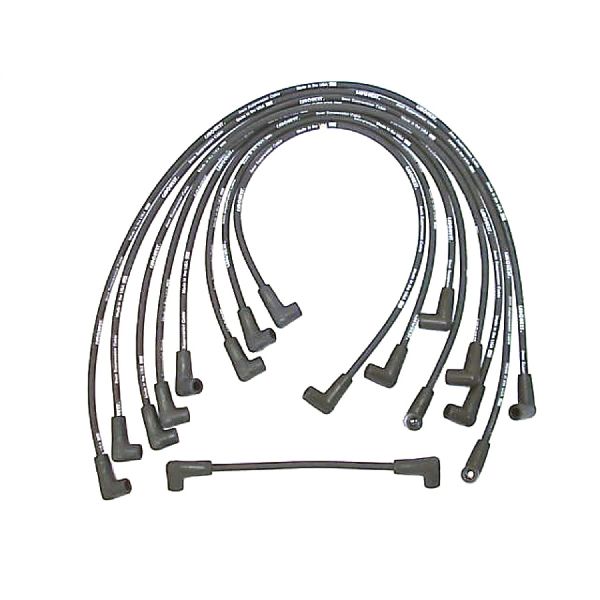
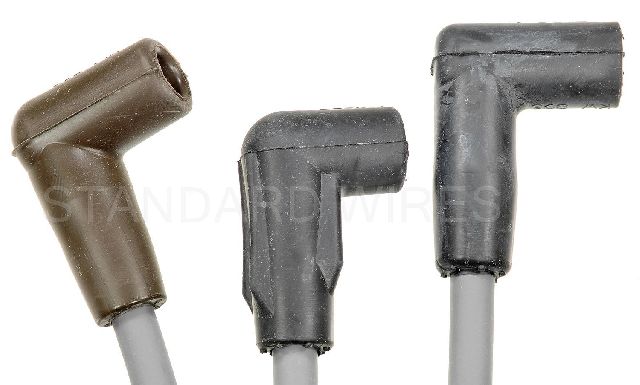
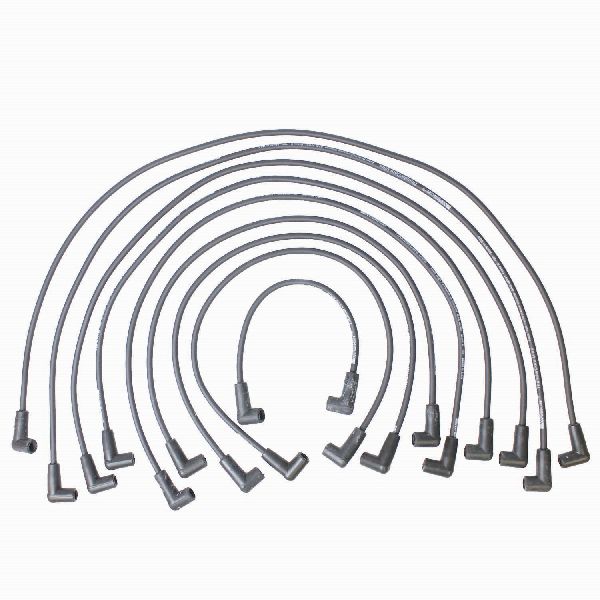
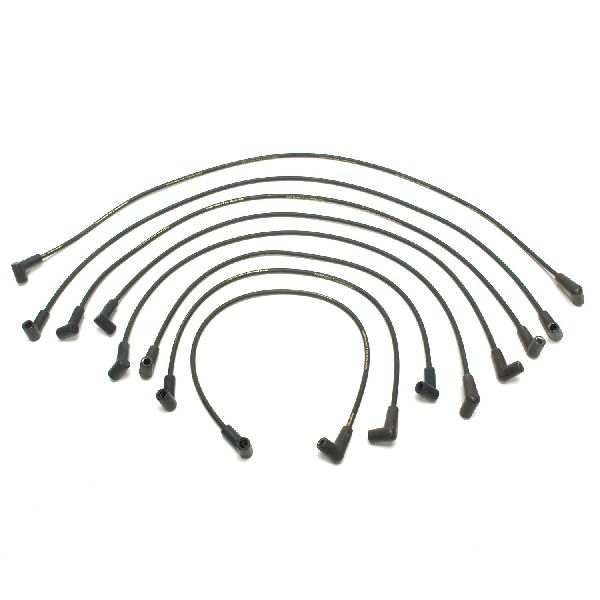
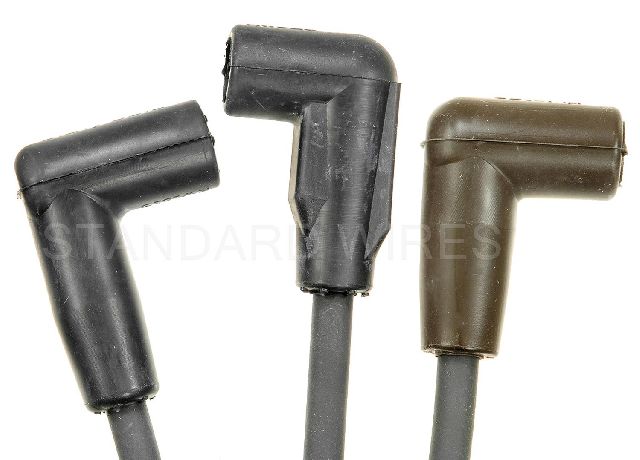
The 1987-1994 Blazer with the 4.3L V6 engine uses a 7-wire set (6 for cylinders, 1 for the coil). Wires typically feature a silicone jacket for heat resistance, with diameters ranging from 7mm to 8.5mm. Boots are often angled (90-degree) to fit around engine components.
We Have This Part in Stock

The information in this article is provided for general reference and educational purposes only. Vehicle specifications, procedures, and part compatibility can vary by production date, trim level, and region. Always consult your vehicle's factory service manual and verify part numbers before purchasing or performing repairs. Safety-critical components such as airbags, seat belts, and braking systems should be installed by a qualified professional.
- Chevrolet Blazer: