

Chevrolet P30 Engine Coolant Temperature Sensor Guide (1987-1994)
Solving rich running conditions and poor performance in your 1987-1994 P30 starts with understanding this critical sensor.
- The ECT sensor for the computer has two wires; the gauge sender has one. They are not interchangeable.
- A failing ECT sensor is a primary cause of running rich, poor fuel economy, and high idle on TBI-equipped P30s.
- Replacement is simple, requiring a 3/4 inch deep socket, and is located on the front of the intake manifold.
- There are no specific recalls or TSBs for this part on the 1987-1994 P30.
Is Your P30 Running Rough? Check the ECT Sensor
If you own a 1987-1994 Chevrolet P30, particularly a motorhome or step van, you know how important engine reliability is. A common but often overlooked part that causes significant running issues is the Engine Coolant Temperature (ECT) sensor. This small sensor can be the source of frustrating problems like poor fuel economy and rough idling. Because these vehicles use a Throttle Body Injection (TBI) system, they are very sensitive to the information provided by the ECT sensor.
Two Different Temperature Senders
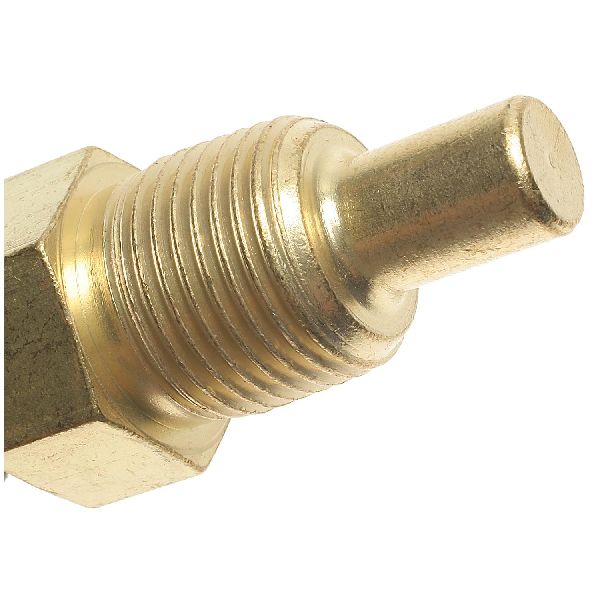
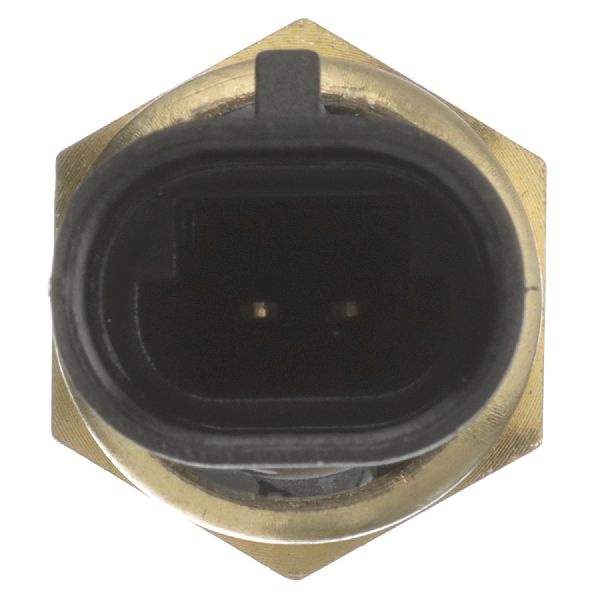
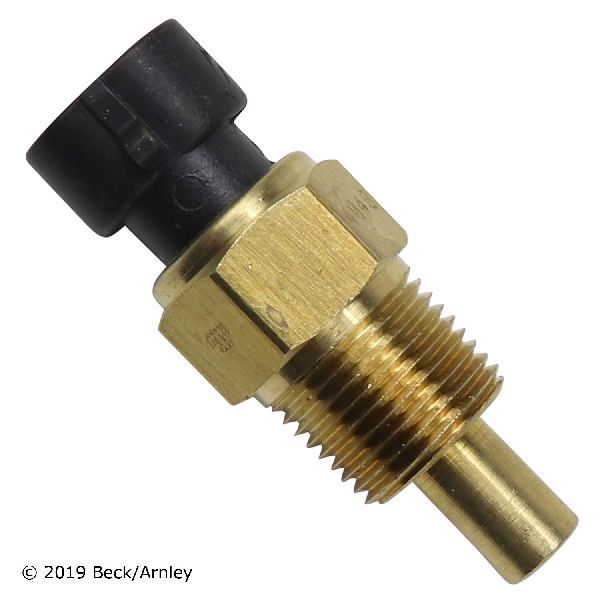
Your P30 has two similar-looking sensors. The Engine Coolant Temperature (ECT) Sensor has a two-wire connector and sends information to the engine's computer (ECM). This is the sensor that affects engine performance. The other is the temperature sender, which has a single wire and only operates the temperature gauge on your dashboard. Make sure you are replacing the correct one for your issue.
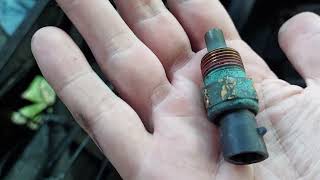
🎬 See the difference between the temperature sender and the sensor.Choosing the Right Aftermarket ECT Sensor
For a vehicle like the P30, you don't necessarily need to hunt down a pricey OEM part. Quality aftermarket brands offer reliable replacements that meet or exceed original specifications. Here’s a breakdown of available brands:
- Trusted OEM & Premium Aftermarket (Higher Tier): Brands like ACDelco (the original equipment supplier for GM), Delphi, and NGK (NTK) are excellent choices. They are known for their reliability and precise manufacturing, which is critical for sensors. While they may cost a few dollars more, they are a solid investment for peace of mind.
- Reliable Mid-Tier Brands: Standard Motor Products (SMP) and Four Seasons are well-regarded in the aftermarket community. They offer a good balance of quality and price and are often a go-to for professional mechanics. Some forum users have used Standard parts for years without issues.
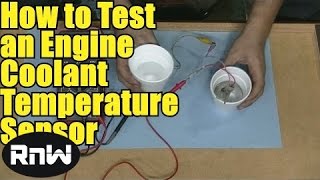
- Budget-Friendly Options (Lower Tier): Brands like Holstein, Facet, and True Tech offer more affordable solutions. While they can work, it's important to be aware that with budget sensors, there can be a higher chance of getting a part that is dead-on-arrival or has a shorter lifespan. A good pro-tip is to test the sensor's resistance before installation to ensure it's within specification. 🎬 Learn how to test your sensor's resistance with a multimeter.
| Part Quality | Price Range |
|---|---|
| Premium Brands (ACDelco, Delphi, NGK) | $20 - $38 |
| Mid-Tier Brands (Standard, Four Seasons) | $15 - $25 |
| Budget Brands | $12 - $18 |
Pro Tip: Quick and Easy Replacement
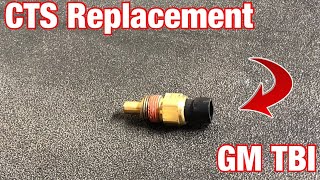
Replacing the ECT sensor is a simple DIY job. It's located on the front of the intake manifold, near the thermostat housing and upper radiator hose. The job requires a 3/4 inch deep socket. To minimize coolant loss, have the new sensor ready to screw in as soon as you remove the old one. A little coolant will spill, so place a drain pan underneath. Many new sensors come with thread sealant already applied.
Frequently Asked Questions (FAQ)
Where is the ECT sensor located on my P30?
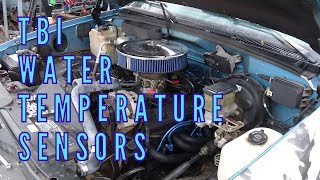
The ECT sensor for the computer is located on the front of the engine's intake manifold, typically near the thermostat housing and the large upper radiator hose. It has a two-pin electrical connector. Do not confuse it with the single-wire sender for the dashboard gauge, which is often located on the side of a cylinder head.
Why is my P30 running rich and getting bad gas mileage?
A common cause for a rich running condition in a TBI-equipped P30 is a faulty ECT sensor. If the sensor fails and incorrectly tells the computer the engine is always cold, the computer will continuously supply a rich fuel mixture, drastically reducing fuel economy and potentially causing black smoke from the exhaust.
Can I replace the ECT sensor myself?
Yes, this is a very DIY-friendly repair. It typically takes less than 30 minutes and only requires basic hand tools, primarily a 3/4 inch deep socket and a ratchet. Since the P30 chassis is often used for motorhomes, engine access can sometimes be tight 🎬 Watch this five-minute fix for a P30 motorhome ECT replacement., but the sensor itself is easy to reach on the front of the engine.
Are there any recalls for the P30 ECT sensor?
No, searches of the National Highway Traffic Safety Administration (NHTSA) database show no recalls for the engine coolant temperature sensor on the 1987-1994 Chevrolet P30.
Helpful Videos
Technical Specifications
OEM Part Numbers: 12146312 25036979
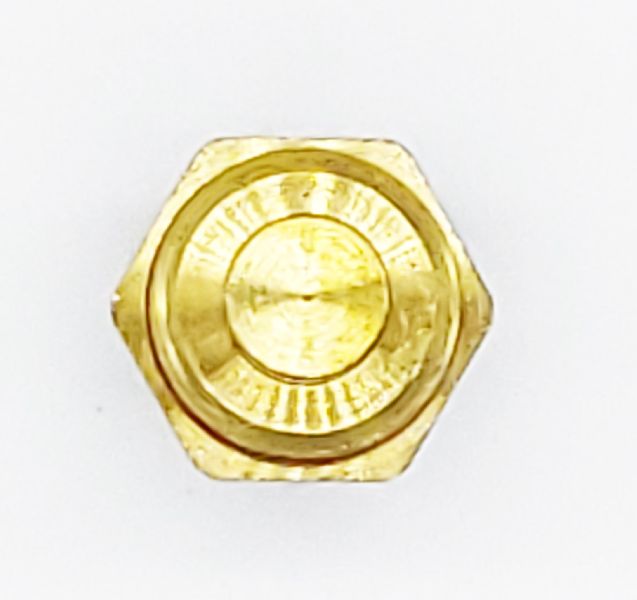
Connector: 2-pin. Thread size: 3/8" NPT. Wrench size: 3/4".
We Have This Part in Stock



The information in this article is provided for general reference and educational purposes only. Vehicle specifications, procedures, and part compatibility can vary by production date, trim level, and region. Always consult your vehicle's factory service manual and verify part numbers before purchasing or performing repairs. Safety-critical components such as airbags, seat belts, and braking systems should be installed by a qualified professional.
- Chevrolet P30: