

Dodge Shadow 1987-1994 Oxygen Sensor: A Guide to Replacement
Keep your Shadow running efficiently by understanding how to pick the best new oxygen sensor for your car.
- Your Shadow likely has only one upstream oxygen sensor, making replacement straightforward.
- The biggest challenge is often removing the old sensor, which can be seized by rust. Use penetrating oil generously.
- For best results and longevity, choose a top-tier aftermarket brand like NGK/NTK or Denso.
- Ignoring a bad O2 sensor will hurt your fuel economy and can lead to costly damage to your catalytic converter.
Is Your Dodge Shadow's Oxygen Sensor Failing?
A bad oxygen sensor can cause a range of problems, from annoying to serious. Because the 1987-1994 Dodge Shadow was built before modern OBD-II diagnostics, you won't get a simple "P-code" from a standard scanner. Instead, your car uses a system that flashes the "Check Engine" light to give you a two-digit fault code. You can retrieve these codes by turning the ignition key "on-off, on-off, on" and watching the light blink. Even without a code, symptoms like bad gas mileage, a rough idle, or a failed emissions test are strong signs the O2 sensor needs attention.
Symptoms of a Bad Oxygen Sensor
- Check Engine Light: This is the most common sign. A fault in the oxygen sensor circuit will trigger the light on your dashboard.
- Poor Fuel Economy: If the sensor fails, the engine's computer may default to a rich fuel mixture, causing you to use more gas than necessary.
- Rough Idle and Misfires: An incorrect air-fuel ratio can disrupt combustion, leading to a shaky idle, hesitation, or engine misfires.
- Failed Emissions Test: An O2 sensor that isn't working correctly will lead to higher emissions, causing an automatic failure on a smog test.
- Bad Smell from Exhaust: A rich-running engine can produce a "rotten egg" or sulfur smell from the exhaust as the catalytic converter gets overwhelmed.
Choosing the Right Aftermarket Oxygen Sensor
For a vehicle like the 1987-1994 Dodge Shadow, aftermarket parts are the most common and practical choice. OEM Mopar parts may be difficult to find or discontinued. However, not all aftermarket brands are created equal. Based on owner experiences and mechanic recommendations, here is a breakdown of available brands.
Tier 1: OEM Quality or Better
These brands are widely regarded as the best choice for reliability and performance, often matching or exceeding the original part's quality.
- NGK (also NTK): Frequently cited as an OEM supplier for many brands, NGK/NTK sensors are known for their reliability and fast response time. Many mechanics and experienced owners recommend using them over other aftermarket options.
- Denso: Another top-tier OEM supplier, Denso sensors are praised for their durability and precise fit. For many Japanese vehicles they are the original part, and their quality is trusted across the industry.
Tier 2: Reliable Aftermarket Options
These brands offer a good balance of quality and price, and are generally a safe bet for most repairs.
- Bosch: While Bosch is a major OEM supplier for many European cars, their aftermarket sensors have mixed reviews. Some users report them working perfectly, while others have experienced premature failures in non-European applications. They are generally considered a decent choice but may not be as consistently reliable as NGK or Denso for this vehicle.
- Delphi: As a global OE manufacturer, Delphi produces quality sensors. They are a solid mid-range choice that can be trusted to perform correctly.
Tier 3: Economy Brands
These brands are budget-friendly but may have a shorter lifespan or less consistent quality control.
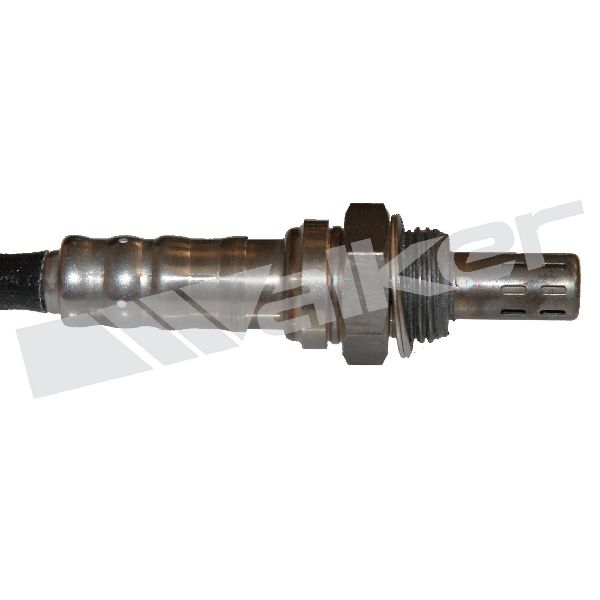
- Walker Products: Often considered a budget or economy brand. Some users have reported issues with Walker O2 sensors failing prematurely.
- DriveWire: This is a value-focused brand, suitable for those needing a functional part at the lowest price point.
| Part | Estimated Cost |
|---|---|
| New Aftermarket Oxygen Sensor | $46.18 - $85.17 |
| New OEM (Mopar) Oxygen Sensor | $70 - $100+ |
| Shop Labor | $50 - $75 |
| Total Professional Replacement | $140 - $165 |
Pro Tip: Getting it Unstuck
Oxygen sensors live in the hot exhaust stream and are famously difficult to remove after years of service. Before you try to remove the old sensor, let the exhaust cool down completely. Spray the base of the sensor with a quality penetrating oil (like PB Blaster) and let it soak, even overnight if possible. Using a special O2 sensor socket, which has a slot for the wire, is highly recommended to avoid rounding off the sensor.
Frequently Asked Questions (FAQ)
How many oxygen sensors does my 1987-1994 Dodge Shadow have?
Most Dodge Shadows from this era, especially those with the 4-cylinder 2.2L and 2.5L engines, have only one oxygen sensor. It is an "upstream" sensor located in the exhaust manifold or downpipe, before the catalytic converter.
Are there any recalls for the Dodge Shadow oxygen sensor?
No. Searches of the National Highway Traffic Safety Administration (NHTSA) database show no recalls specifically for the oxygen sensor on the 1987-1994 Dodge Shadow.
Do I need a special tool for replacement?
Yes, an oxygen sensor socket is highly recommended. This is a socket with a cutout on the side to fit over the sensor's wire. Using a standard wrench can easily damage the wire or round off the sensor's hex head, making it much harder to remove.
What happens if I don't replace a bad O2 sensor?
Driving with a bad O2 sensor will cause poor fuel economy and performance. Over time, the rich fuel mixture can overwhelm and damage the catalytic converter, which is a much more expensive part to replace.
Should I buy a heated or unheated sensor?
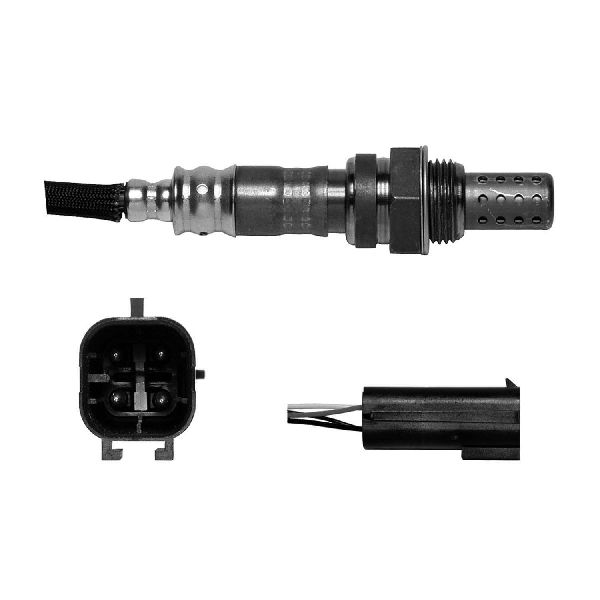
Most replacement sensors for the Dodge Shadow are heated (3 or 4-wire) sensors. Heated sensors warm up faster, allowing the engine's computer to enter its efficient "closed-loop" mode sooner. Always check the specifications of the part to ensure it matches what your vehicle requires.
Technical Specifications
OEM Part Numbers: 5233088
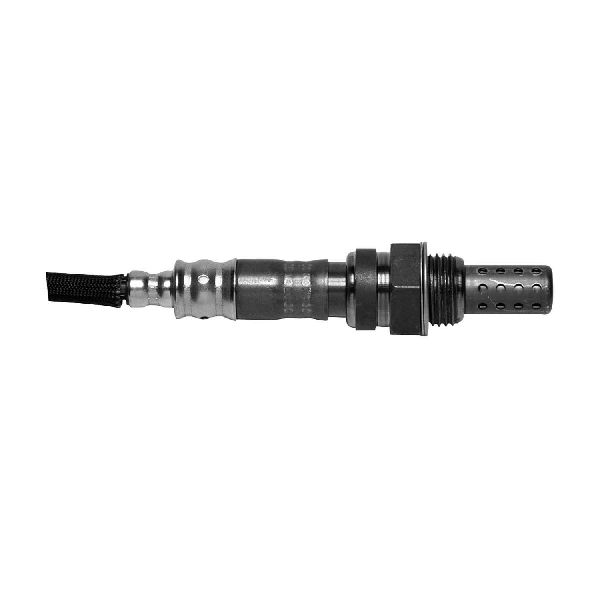
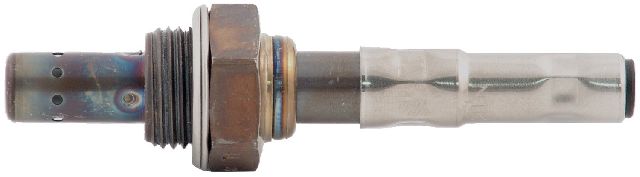
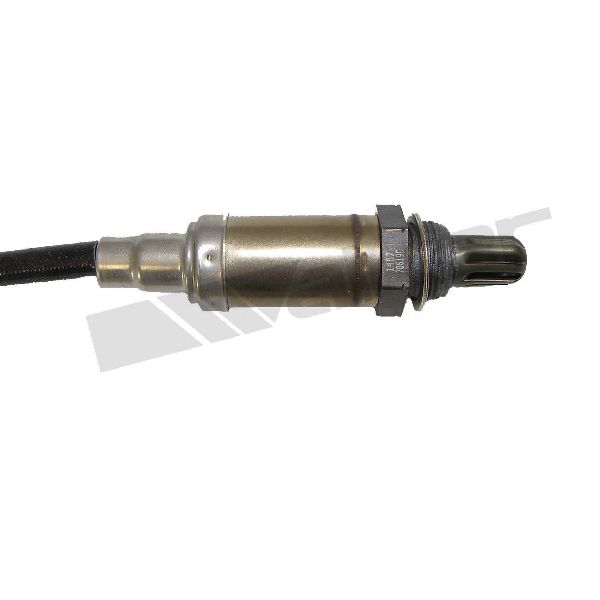
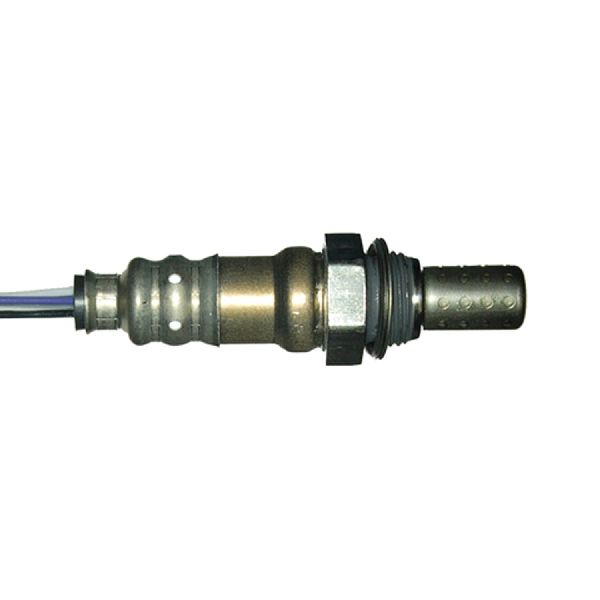
Most 1987-1994 Dodge Shadow models use a single, upstream, heated oxygen sensor. It typically has 3 or 4 wires and a specific-fit connector.
We Have This Part in Stock

The information in this article is provided for general reference and educational purposes only. Vehicle specifications, procedures, and part compatibility can vary by production date, trim level, and region. Always consult your vehicle's factory service manual and verify part numbers before purchasing or performing repairs. Safety-critical components such as airbags, seat belts, and braking systems should be installed by a qualified professional.
- Dodge Shadow:
- 🛍️ Shop This Part
- Is Your Dodge Shadow's Oxygen Sensor Failing?
- Symptoms of a Bad Oxygen Sensor
- Choosing the Right Aftermarket Oxygen Sensor
- Tier 1: OEM Quality or Better
- Tier 2: Reliable Aftermarket Options
- Tier 3: Economy Brands
- Pro Tip: Getting it Unstuck
- Frequently Asked Questions (FAQ)
- 🎟️ Get 5% Off