

Engine Coolant Bypass Hose Guide for the 1987-1994 Lincoln Continental
Keep your Continental's 3.8L V6 engine safe from overheating by understanding this critical cooling system hose.
- A failing bypass hose can cause overheating, which is a known cause of expensive head gasket failure on the 3.8L V6 engine.
- Do not drive with a coolant leak; a sudden hose burst can cause catastrophic engine damage.
- Aftermarket hoses from reputable brands like Dayco and Gates are reliable and cost-effective choices for this vehicle.
- Always replace hose clamps with the hose and bleed the cooling system after the repair to prevent air pockets.
Symptoms of a Failing Coolant Bypass Hose
A bad coolant bypass hose will give you clear warning signs. Ignoring them can lead to serious engine damage from overheating. Be on the lookout for:
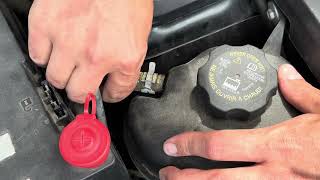
- Coolant Leaks: This is the most obvious sign. You might see puddles of green or orange fluid 🎬 Watch how to fix a bypass hose coolant leak. under your car or notice a crusty residue on or around the hose itself. A slow leak might not even hit the ground, but you'll notice your coolant level dropping over time.
- Sweet Smell: Leaking coolant has a distinct sweet, syrupy smell. You'll often notice it around the engine bay as the hot coolant evaporates on engine surfaces.
- Engine Overheating: If the hose leaks significantly or collapses internally, it restricts coolant flow. This will cause your engine's temperature gauge to climb into the red, which is a critical situation that can cause permanent damage.
- Visible Damage: A visual inspection can reveal a lot. Look for cracks, bulges, soft or spongy spots, or brittleness in the hose. Any visible damage means the hose should be replaced immediately.
Overheating is a Known Issue
The 3.8L V6 engine used in this generation of Continental was known to be susceptible to head gasket failure, often caused by overheating. A failure in any part of the cooling system, including a simple bypass hose, can lead to this very expensive repair. Taking care of coolant leaks promptly is critical for this specific vehicle.
Choosing the Right Aftermarket Hose: Dayco vs. Gates
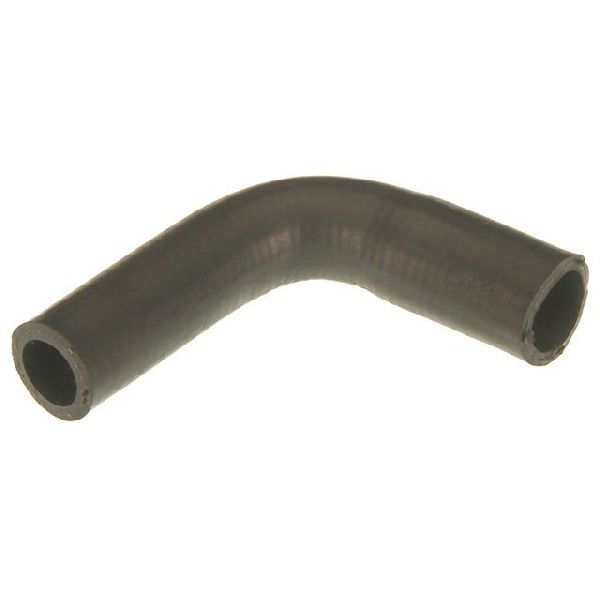
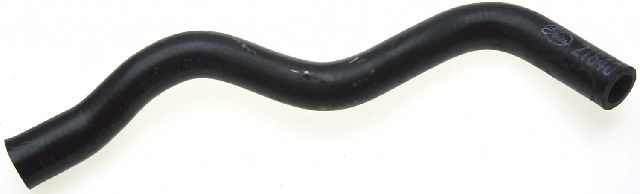
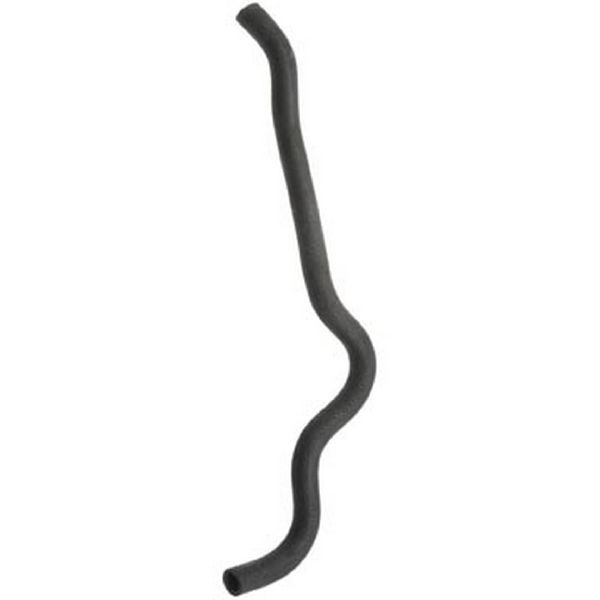
For a vehicle like the 1987-1994 Lincoln Continental, finding original equipment (OEM) parts can be difficult and expensive. High-quality aftermarket brands offer a reliable and affordable solution. The two main brands available for this part are Dayco and Gates.
- Brand Reputation: Both Dayco and Gates are well-respected names in the aftermarket industry. Forum discussions among mechanics and DIYers show that both brands are generally considered reliable for hoses and belts. Some users have preferences based on past experiences, with some finding Dayco hoses to be thicker and others preferring the fitment of Gates.
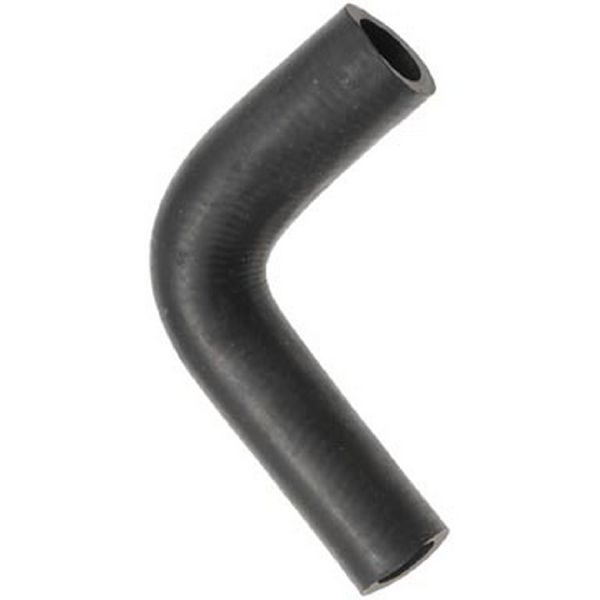
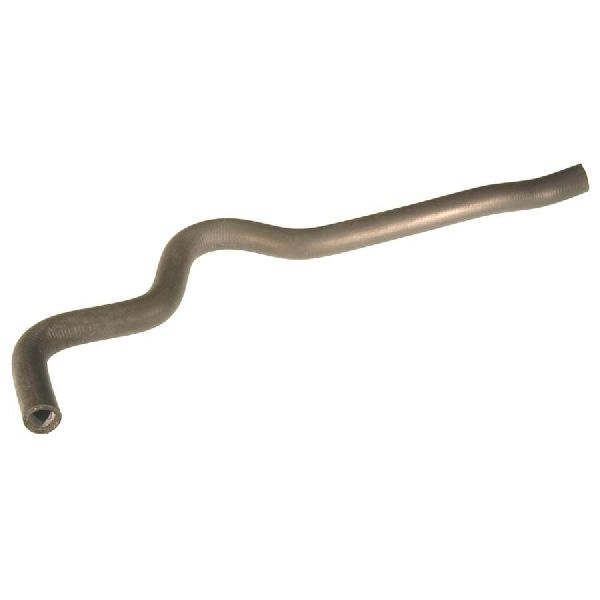
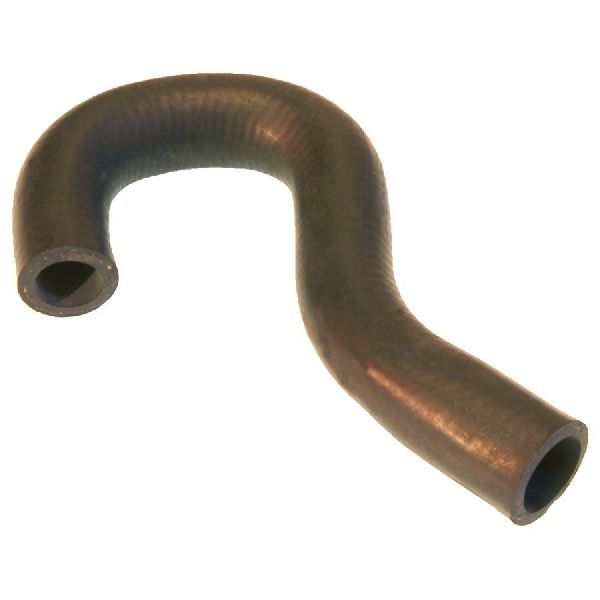
- Quality: For a standard part like a coolant hose on a non-performance vehicle, either brand will provide a durable replacement that meets or exceeds the original specifications. The most important factor is ensuring the hose has the correct shape and bends to avoid kinks that could restrict coolant flow.
- Our Recommendation: Given that both are quality brands, you can confidently choose either Dayco or Gates. Select the part that is most readily available and fits your budget. The key is to replace the old, worn-out hose before it fails completely.
Pro Tip: Replace the Clamps
When you replace any coolant hose, it's always a good idea to replace the hose clamps as well. Old clamps can lose their tension over time and may not create a perfect seal with the new hose. Spring-style clamps are often preferred by professionals because they provide constant tension as the hose material expands and contracts with temperature changes.
Cost of Replacing the Engine Coolant Bypass Hose
The cost to replace this hose is relatively low, especially if you do the work yourself. The main cost is preventing the much more expensive engine damage that can result from a failure.
| Part/Service | Estimated Cost |
|---|---|
| New Aftermarket Hose (Dayco, Gates) | $19.14 - $40.10 |
| Shop Labor | $60 - $120 |
| DIY Total Cost | $19.14 - $40.10 |
| Shop Repair Total Cost | $79.14 - $160.10 |
Frequently Asked Questions
Were there any recalls for the coolant bypass hose on this Continental?
No. Searches of the National Highway Traffic Safety Administration (NHTSA) database did not find any specific recalls or Technical Service Bulletins (TSBs) for the engine coolant bypass hose on the 1987-1994 Lincoln Continental. Failures are almost always due to the age and natural degradation of the rubber.
Can I drive with a leaking coolant bypass hose?
It is strongly recommended not to drive the vehicle. A small leak can turn into a complete hose burst without warning, leading to rapid loss of all engine coolant. This can cause the engine to overheat severely in a matter of minutes, resulting in catastrophic damage like a blown head gasket or cracked cylinder head.
Is this a difficult part to replace myself?
For most people with basic hand tools, this is a manageable DIY job. The bypass hose is usually located near the top of the engine by the thermostat housing and is relatively easy to access. The main steps involve draining some coolant, removing the old clamps and hose, and installing the new parts. The most difficult part is often dealing with old, stubborn clamps and hoses.
Do I need to bleed the cooling system after replacing the hose?
Yes. Whenever you open the cooling system and lose fluid, air gets in. Air pockets can get trapped in the system and cause overheating issues or poor heater performance. After replacing the hose and refilling the coolant, you must properly bleed the air out of the system to ensure it functions correctly.
Helpful Videos
Technical Specifications
This vehicle was equipped with a 3.8L V6 engine for the specified model years. The bypass hose is a molded rubber component specific to this engine's cooling system configuration.
We Have This Part in Stock

The information in this article is provided for general reference and educational purposes only. Vehicle specifications, procedures, and part compatibility can vary by production date, trim level, and region. Always consult your vehicle's factory service manual and verify part numbers before purchasing or performing repairs. Safety-critical components such as airbags, seat belts, and braking systems should be installed by a qualified professional.
- Lincoln Continental: