

1987-1995 BMW 325is Engine Cooling Fan Blade: A Critical Replacement Guide
Your BMW's plastic engine fan blade is a time bomb; here's how to prevent a catastrophic failure.
- Proactively replace your fan blade if it is over 10 years old to prevent catastrophic 'fan grenade' failure.
- A cracked or damaged fan blade is a critical safety issue; the vehicle should not be driven until it is replaced.
- Always inspect and consider replacing the fan clutch at the same time as the fan blade for system longevity.
- Aftermarket brands like Dorman and URO Parts offer budget-friendly options, but proactive inspection remains key.
The Ticking Time Bomb Under Your Hood
For owners of the E30 and E36 generation BMW 325is, the original engine cooling fan blade is not a part that lasts forever. Over decades of exposure to engine heat, the plastic becomes extremely brittle. This leads to a well-known and dangerous failure mode often called a "fan explosion" or "fan grenade." When the fan fails, it shatters at high speed, sending sharp plastic fragments throughout the engine bay. These pieces can easily puncture the radiator, shred hoses, and even dent the hood, causing hundreds or thousands of dollars in damage. Proactively replacing the fan blade is one of the most important preventative maintenance jobs for these cars.
Warning: High Risk of Failure
An original or old fan blade can fail without warning. If your fan blade's manufacturing date is more than 10 years old, or if its age is unknown, it should be replaced immediately to avoid catastrophic engine bay damage.
Symptoms of a Failing Fan Blade
- Visible Cracks: The most obvious sign is seeing small cracks in the plastic, especially around the center hub or at the base of the blades. Any visible crack means the fan must be replaced immediately.
- Missing Blade Pieces: If you notice even a small piece of a blade has broken off, the entire fan is compromised and dangerously out of balance.
- Engine Overheating at Low Speeds: If blades have broken off, the fan can't pull enough air, causing the engine to overheat when you're stopped in traffic but cool down when you're moving at speed.
- Loud Roaring or Wobbling Noise: A failing fan clutch bearing can cause the fan to wobble, which puts immense stress on the plastic blades and can lead to failure.
Choosing Your Aftermarket Replacement
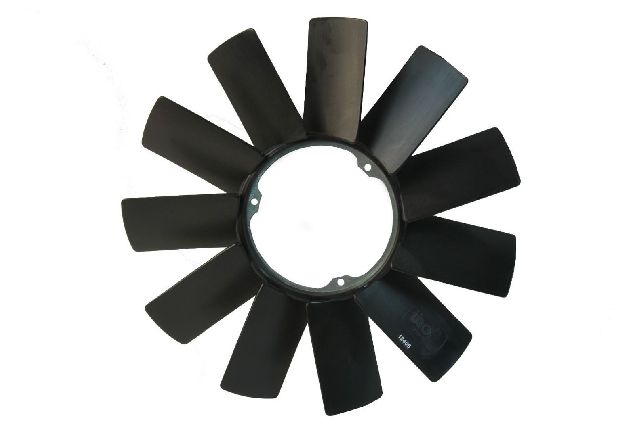
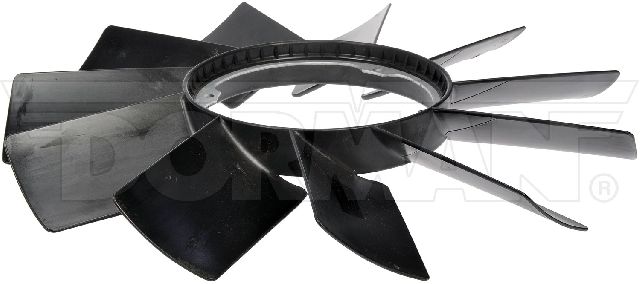
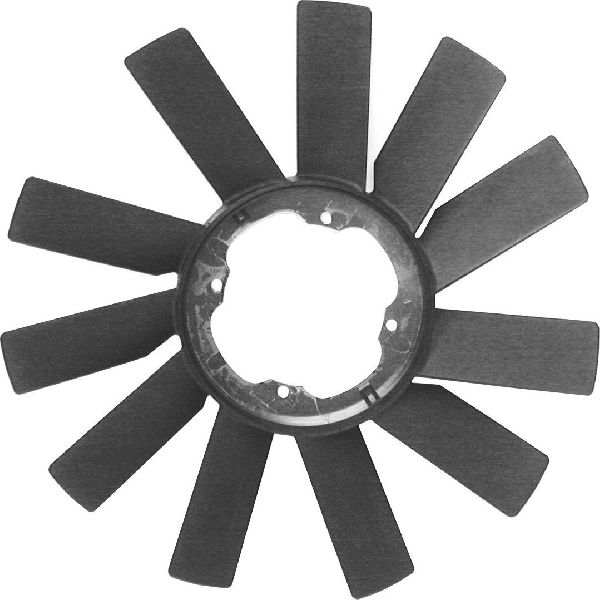
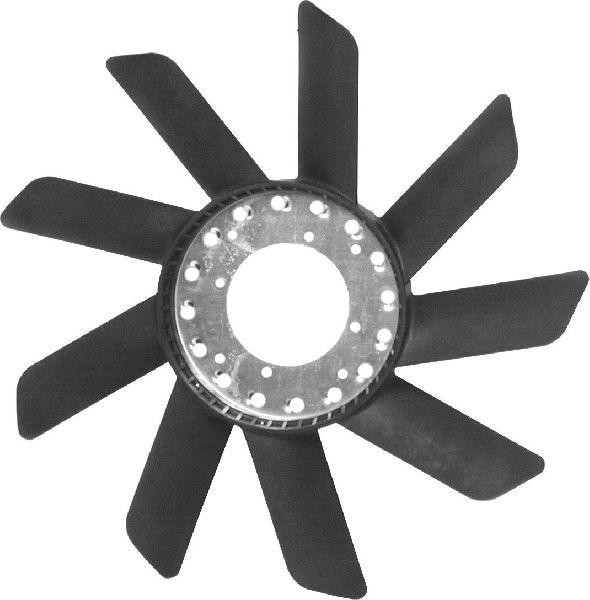
Given the age of the 1987-1995 BMW 325is, aftermarket fan blades are a popular and cost-effective choice. The two most common brands you will encounter are Dorman and URO Parts.
- Dorman: Generally considered a standard replacement-grade brand. Dorman parts are widely available and offer a functional, budget-friendly solution.
- URO Parts: This brand has a mixed reputation in the BMW community. Some users have reported premature failures of various URO components. However, for a simple plastic part like a fan blade, many owners find them to be an acceptable budget option. It is worth noting that URO Parts often revises its parts, and newer versions may have improved quality.
Pro Tip: When replacing the fan blade, it is highly recommended to also replace the fan clutch. A failing clutch can cause the new fan to spin too fast or wobble, leading to its premature destruction. Also, inspect your motor mounts; worn mounts can allow the engine to shift, causing the fan to hit the shroud and break.
| Brand Tier | Estimated Price |
|---|---|
| Value (URO Parts, Dorman) | $32.88 - $55.00 |
| Premium Aftermarket (Febi Bilstein) | $50.00 - $75.92 |
Frequently Asked Questions
Why does the fan blade break so violently?
After years of heat cycles from the engine, the plastic used in the original fan blades becomes very brittle. When the engine is at high RPM, the fan is spinning incredibly fast. A small, invisible stress crack can quickly propagate, causing the entire blade assembly to shatter from the rotational force, a phenomenon known as a 'fan grenade'.
Can I drive if a fan blade is cracked or missing a piece?
No. Driving with a damaged fan blade is extremely risky. The fan is severely out of balance, which will destroy the water pump bearing and fan clutch. More importantly, it is highly likely to break apart completely, causing extensive and expensive damage to your radiator, hoses, and hood.
What tools do I need to replace the fan blade?
You will typically need a special thin 32mm wrench to hold the fan clutch nut and a fan pulley holder tool to keep the water pump pulley from spinning. The fan clutch nut is a left-hand thread, meaning you turn it clockwise to loosen it. The fan blade itself is then unbolted from the clutch with a few hex screws.
Should I just switch to an electric fan?
Many owners choose to delete the mechanical fan and install an electric fan. This is a popular modification that can free up a small amount of horsepower and eliminate the risk of mechanical fan failure. However, it requires wiring and is a more involved job than simply replacing the stock fan blade.
Technical Specifications
OEM Part Numbers: 11521712058 11521723363
The primary mechanical cooling fan blade is typically an 11-blade design with a diameter around 420mm. It attaches to a viscous fan clutch with three or four bolts.
We Have This Part in Stock

The information in this article is provided for general reference and educational purposes only. Vehicle specifications, procedures, and part compatibility can vary by production date, trim level, and region. Always consult your vehicle's factory service manual and verify part numbers before purchasing or performing repairs. Safety-critical components such as airbags, seat belts, and braking systems should be installed by a qualified professional.
- BMW 325is: