

Chevrolet Blazer Ignition Knock Sensor Guide: 1987-1995
Understand why your S-10 Blazer has a check engine light and runs poorly because of this critical sensor.
- A bad knock sensor will trigger the Check Engine Light and cause poor performance and fuel economy.
- For this part, choosing a quality brand like ACDelco, Delphi, or Standard Ignition is critical for reliability.
- Replacement requires draining some coolant and using a torque wrench for proper installation.
- Always inspect the single wire and connector for damage before replacing the sensor itself.
Is a Faulty Knock Sensor a Serious Problem?
Yes, a bad knock sensor can lead to significant issues. When the sensor fails, the engine's computer can no longer detect detonation. To protect the engine, the computer will often default to a 'safe mode,' which retards the ignition timing significantly. This results in poor performance, bad fuel economy, and can even cause other problems if ignored. Driving with a faulty knock sensor for an extended period is not recommended as it can lead to costly engine damage.
Symptoms of a Failing Knock Sensor in a 1987-1995 Blazer
A failing knock sensor will usually give you a few clear warning signs. The most common is the check engine light, but you might also notice how your truck drives.
- Check Engine Light: This is the most common symptom. For 1995 models, this may trigger a P0325 code. Older models will have a corresponding OBD-I trouble code (Code 43).
- Poor Acceleration: Your Blazer may feel sluggish and lack power, especially when going uphill or trying to accelerate quickly.
- Reduced Fuel Economy: When the engine timing is not optimal, fuel is not burned efficiently, causing you to use more gas.
- Engine Pinging or Knocking: You might hear a metallic pinging or rattling sound from the engine, especially under load. This is the very problem the sensor is supposed to prevent.
Wiring and Corrosion are Common Culprits
Before you replace the sensor, inspect the wiring and connector. Due to its location on the engine block, the single wire leading to the sensor is exposed to heat and potential damage. A corroded connector or a broken wire can cause the same symptoms as a failed sensor.
Choosing the Right Aftermarket Knock Sensor
For electronic parts on these older GM trucks, the brand you choose matters. While saving money is tempting, a cheap, low-quality sensor can fail quickly or be dead out of the box, forcing you to do the job twice.
Brand Quality Tiers
| Tier | Brands | Notes |
|---|---|---|
| Tier 1: OEM & Premium Aftermarket | ACDelco, Delphi, NGK | ACDelco is the original GM parts supplier and is generally the most recommended choice for reliability. Delphi is another top-tier OEM supplier with a strong reputation for sensor quality. NGK is also a trusted name in engine management sensors. These are your safest bets. |
| Tier 2: Reputable Aftermarket | Standard Ignition (SMP), Holstein | Standard Motor Products is a well-respected aftermarket brand that often provides quality comparable to OEM. Holstein is another solid choice. These brands offer a good balance of price and reliability. |
| Tier 3: Economy Brands | Walker Products, Global Parts, True Tech | These brands are budget-focused. While they may function, there are more reports of inconsistent quality and shorter lifespans with economy sensors. Use with caution, especially since the sensor's location can make replacement a hassle. |
There have been forum discussions about a decline in the quality of some ACDelco sensors, with some users receiving counterfeit or faulty parts even from reputable sellers. It's wise to test the new sensor with a multimeter before installation if possible.
Vehicle-Specific Issues & Installation
No recalls or specific Technical Service Bulletins (TSBs) from GM or the NHTSA were found for the knock sensor on the 1987-1995 Chevrolet Blazer. Issues are typically related to age, heat, and corrosion.
Installation Tips
- Location: The knock sensor is typically located on the engine block. On the 4.3L V6, there may be one on the passenger side, near the rear of the engine below the valve cover, sometimes mounted in a cylinder head or block drain plug location. On some years, a second sensor may be present on the driver's side.
- Coolant Draining: The sensor is often threaded into a coolant passage on the engine block. This means you will need to partially drain the cooling system before removing the old sensor to avoid a mess.
- Torque is Critical: The sensor must be tightened to a specific torque specification (usually around 15 ft-lbs). Over-tightening or under-tightening can damage the sensor or cause it to read incorrectly.
Frequently Asked Questions (FAQ)
What exactly is engine knock?
Engine knock, or detonation, is an uncontrolled explosion of the air-fuel mixture inside the cylinder, rather than a smooth burn. It creates a shockwave that you hear as a 'ping' or 'knock' and can cause serious damage to pistons and other internal engine parts if it's not corrected.
Where is the knock sensor on my 1987-1995 Blazer?
For the common 4.3L V6, the primary knock sensor is usually on the passenger side of the engine block, often below the exhaust manifold or near the starter. Some models may have a second sensor. The 2.8L V6 has it mounted on the engine block as well. Always verify the location for your specific year and engine before starting.
Can I replace the knock sensor myself?
Yes, this is a DIY-feasible job for someone with moderate mechanical skill. The main challenges are accessing the sensor, which can be in a tight spot, and the need to drain some coolant before you start. Having the right tools, like a deep socket and a torque wrench, is essential.
Do I have to use an ACDelco sensor?
While you don't have to, using an OEM-quality part like ACDelco or Delphi is highly recommended for electronic sensors on these trucks. Cheaper sensors have a higher failure rate, and since this part is critical for engine protection and performance, it's worth spending a little extra for a reliable part.
Technical Specifications
OEM Part Numbers: 10456075 8104560750
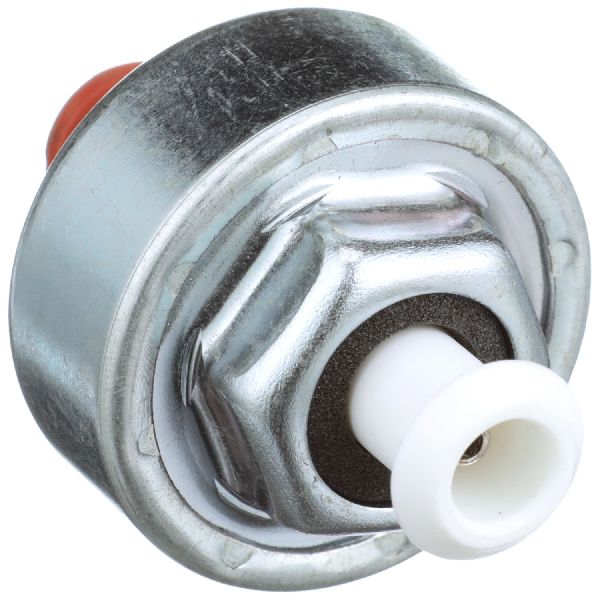
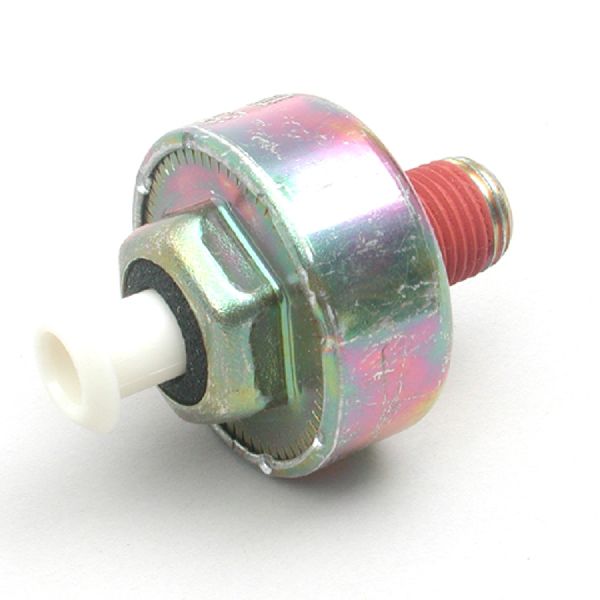
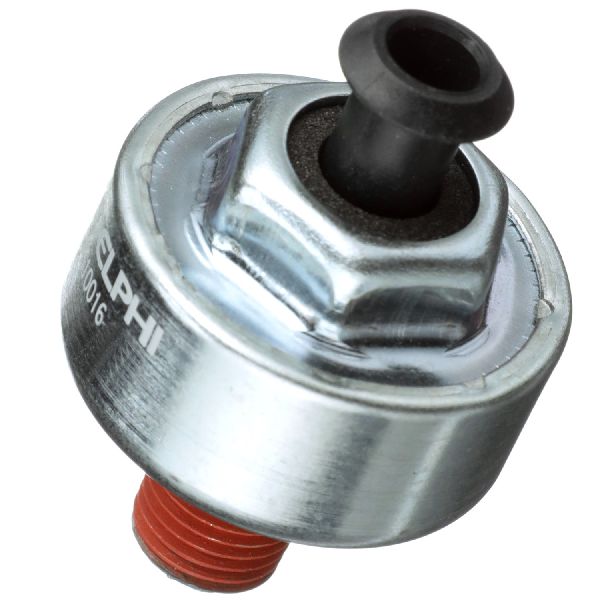
Single-wire piezoelectric sensor. Torque specification is critical for function (approx. 15 ft-lbs).
We Have This Part in Stock


The information in this article is provided for general reference and educational purposes only. Vehicle specifications, procedures, and part compatibility can vary by production date, trim level, and region. Always consult your vehicle's factory service manual and verify part numbers before purchasing or performing repairs. Safety-critical components such as airbags, seat belts, and braking systems should be installed by a qualified professional.
- Chevrolet Blazer:
- 🛍️ Shop This Part
- Is a Faulty Knock Sensor a Serious Problem?
- Symptoms of a Failing Knock Sensor in a 1987-1995 Blazer
- Wiring and Corrosion are Common Culprits
- Choosing the Right Aftermarket Knock Sensor
- Brand Quality Tiers
- Vehicle-Specific Issues & Installation
- Installation Tips
- What exactly is engine knock?
- Where is the knock sensor on my 1987-1995 Blazer?
- Can I replace the knock sensor myself?
- Do I have to use an ACDelco sensor?
- 🎟️ Get 5% Off