

Chevrolet Blazer Manifold Absolute Pressure (MAP) Sensor Guide: 1987-1995
Solve rough idling, poor fuel economy, and hesitation issues in your S-10 Blazer by understanding and replacing your MAP sensor.
- Always inspect the vacuum hose for cracks or leaks before replacing the MAP sensor, as it can cause identical symptoms.
- A failing MAP sensor commonly causes rough idle, poor gas mileage, hesitation, and may trigger OBD-I codes 33 or 34.
- Replacement is very simple for a DIYer, requiring no special tools and taking less than 15 minutes.
- For this sensor, premium aftermarket brands like Delphi and Standard Ignition offer reliability comparable to OEM ACDelco parts.
Is Your Blazer's MAP Sensor Failing?
A bad Manifold Absolute Pressure (MAP) sensor can cause a surprising number of engine problems that might seem unrelated. Because it directly controls the air-fuel mixture, a faulty sensor can make your Blazer run poorly, use too much gas, or even fail an emissions test. Recognizing the symptoms early can save you from chasing other non-existent issues.
🎬 Watch: A clear explanation of bad MAP sensor symptoms.Check the Vacuum Hose First!
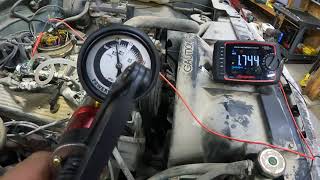
Before you replace the sensor, always inspect the small rubber vacuum hose connected to it. This hose runs from the sensor to the intake manifold or throttle body. Over time, it can become cracked, brittle, or disconnected, creating a vacuum leak. A leak will cause the same symptoms as a bad sensor, including setting a Check Engine Light. Replacing a five-dollar hose is much cheaper than replacing the sensor itself.
🎬 See how to quickly test your sensor before buying parts.Choosing the Right Aftermarket MAP Sensor
For a vehicle like the 1987-1995 Blazer, you don't necessarily need to buy the most expensive OEM part from a dealership. Many aftermarket brands offer excellent quality and reliability, often for a fraction of the price. Here’s a breakdown of available brands to help you choose.
Tier 1: Premium Aftermarket & OEM Brands
These brands are known for manufacturing parts to original equipment standards or are the original suppliers to GM. They offer the best fit and longest service life.
- ACDelco: As the original equipment supplier for GM, ACDelco parts are a trusted choice for a perfect fit and reliable performance. However, be aware that today, not all ACDelco parts are made by GM; some are sourced from other manufacturers.
- Delphi: Originally a part of GM, Delphi is a major OEM manufacturer of sensors and electronics. For many electronic parts, a Delphi sensor is often identical to the ACDelco part, sometimes at a lower cost. They are known for their advanced sensor technology.
Tier 2: Reputable Aftermarket Brands
These brands are well-regarded in the industry and provide a great balance of quality and value. They are a solid choice for most repairs.
- Standard Ignition (SMP): A long-standing brand known for producing reliable electronic components and sensors.
- NGK/NTK: While famous for spark plugs, NTK (the sensor division of NGK) is a top-tier sensor manufacturer with a reputation for quality.
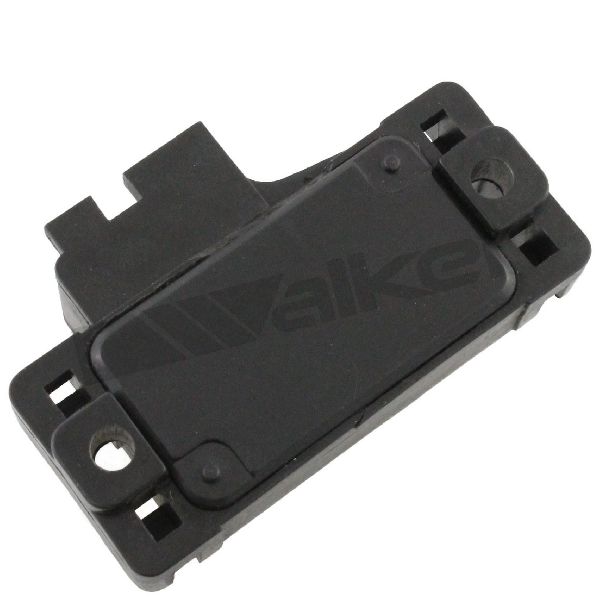
- Walker Products: A specialist in fuel system and engine management components, offering dependable sensors.
Tier 3: Economy Brands
These brands offer the lowest prices but may have variations in quality and longevity. They can be a good option for a budget-conscious repair, but may not last as long as premium parts.
- Global Parts, True Tech, Facet, Hella, Holstein: These brands provide functional replacements that meet basic requirements. While they can get your truck back on the road, their long-term durability might not match that of higher-tier brands.
A Note on Vehicle and Engine Type
The 1987-1995 period covers both the full-size K5 Blazer (through 1991) and the more common S-10 Blazer. It also spans several engine options, like the 2.8L V6, 4.3L V6 with TBI, and the 4.3L V6 with CPI in later years. Always verify the correct part for your specific year, model, and engine (using the VIN) before ordering.
Installation Overview
Replacing the MAP sensor on a 1987-1995 Blazer is a straightforward job that most DIYers can complete.
- Locate the Sensor: It's typically found on the firewall or on a bracket near the back of the engine on the passenger side.
- Disconnect: Unplug the electrical connector. Be gentle, as the plastic clips can be brittle on older vehicles. Disconnect the vacuum hose from the bottom of the sensor.
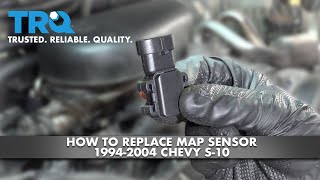
- Remove: The sensor is usually held in a bracket and can be popped out, sometimes with the help of a small screwdriver. There are typically no bolts holding the sensor itself. 🎬 Watch this walkthrough for replacing the sensor on older Chevy trucks.
- Install New Sensor: Lightly lubricate the new sensor's grommet with clean motor oil for an easier installation. Press the new sensor firmly into its bracket, reconnect the vacuum line and electrical connector, and you're done.
Known Issues, Recalls, and TSBs
For the 1987-1995 Chevrolet Blazer, there are no specific recalls or Technical Service Bulletins (TSBs) from the NHTSA related to the MAP sensor. Most issues are related to age, heat exposure in the engine bay, or cracked vacuum lines. Later model GM vehicles have had service bulletins for MAP sensor issues, but these do not apply to this generation.
| Item | Estimated Cost |
|---|---|
| New Aftermarket Part | $32 - $100 |
| Shop Labor | $50 - $100 |
| Total Estimated Cost | $82 - $200 |
Frequently Asked Questions (FAQ)
Where is the MAP sensor located on my Blazer?
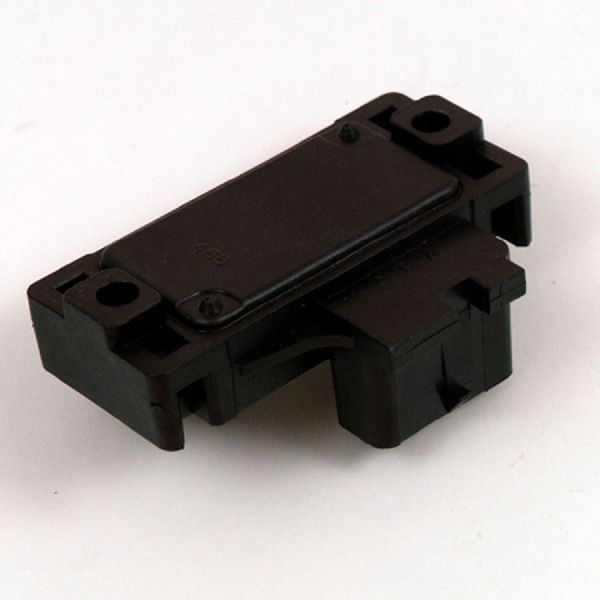
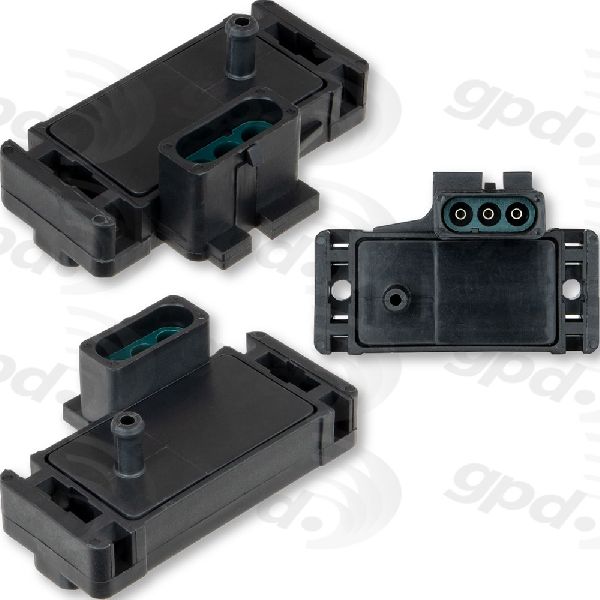
On most 1987-1995 S-10 Blazers, especially those with TBI, the MAP sensor is mounted on a bracket on the passenger side of the firewall, near the distributor. It will have a small vacuum hose and a 3-wire electrical connector attached.
What are the OBD-I codes for a bad MAP sensor?
On these pre-OBD-II vehicles, a failing MAP sensor will typically trigger a Code 33 (signal voltage too high, indicating low vacuum) or a Code 34 (signal voltage too low, indicating high vacuum). A high voltage reading can be caused by a disconnected or broken vacuum line.
Can I clean a MAP sensor?
It is generally not recommended to clean a MAP sensor. They are sensitive electronic components, and using chemical cleaners or compressed air can easily damage the internal diaphragm. Given the relatively low cost of a new aftermarket sensor, replacement is the safest and most reliable option.
Is an ACDelco or Delphi sensor worth the extra money?
For a critical sensor like the MAP, choosing a quality brand like ACDelco or Delphi is a good investment in reliability. While economy brands will work, the superior materials and quality control of premium brands often mean they last longer and provide more accurate readings, ensuring your engine runs smoothly for years to come.
Helpful Videos
Technical Specifications
OEM Part Numbers: 12711681
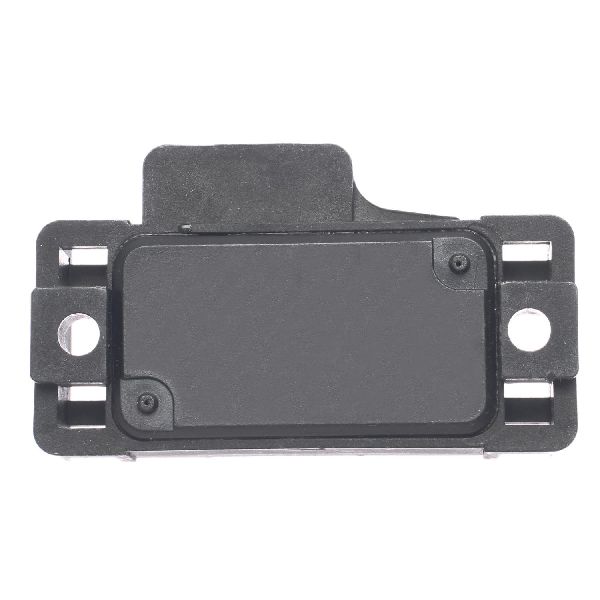
Typically a 3-pin sensor that measures pressure changes in the intake manifold via a vacuum hose. It operates on a 5-volt reference signal from the ECM.
We Have This Part in Stock


The information in this article is provided for general reference and educational purposes only. Vehicle specifications, procedures, and part compatibility can vary by production date, trim level, and region. Always consult your vehicle's factory service manual and verify part numbers before purchasing or performing repairs. Safety-critical components such as airbags, seat belts, and braking systems should be installed by a qualified professional.
- Chevrolet Blazer:
- 🎬 Helpful Videos
- 🛍️ Shop This Part
- Is Your Blazer's MAP Sensor Failing?
- Check the Vacuum Hose First!
- Choosing the Right Aftermarket MAP Sensor
- Tier 1: Premium Aftermarket & OEM Brands
- Tier 2: Reputable Aftermarket Brands
- Tier 3: Economy Brands
- A Note on Vehicle and Engine Type
- Installation Overview
- Known Issues, Recalls, and TSBs
- Frequently Asked Questions (FAQ)
- 🎟️ Get 5% Off