

Oxygen Sensor Guide for the 1987-1995 Chevrolet Blazer
Learn to spot a failing O2 sensor in your Blazer and how to choose the right replacement part.
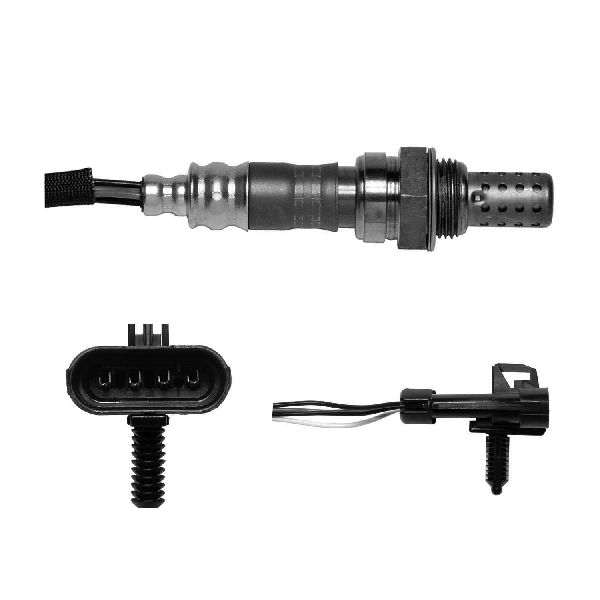
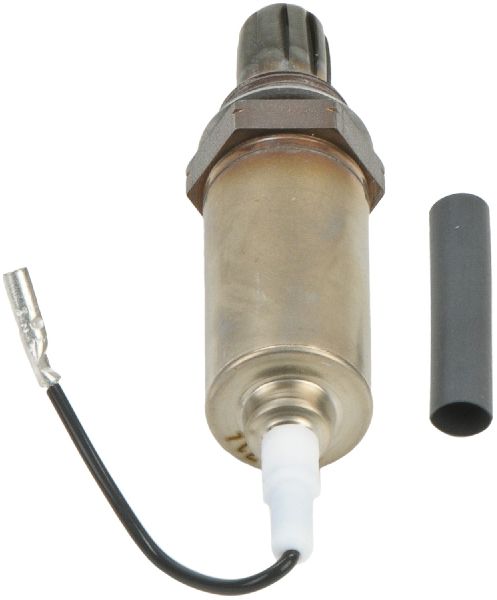
- Verify if your Blazer needs a 1-wire (early models) or 3/4-wire (later models) sensor before buying.
- Always choose a direct-fit sensor with the correct plug; avoid universal-fit sensors that require splicing.
- For best results and longevity, stick with OEM (ACDelco) or premium aftermarket brands like Denso and NGK/NTK.
- Do not ignore a bad O2 sensor; leaving it can lead to expensive catalytic converter damage.
Is Your Blazer's Oxygen Sensor Failing?
A bad oxygen sensor doesn't usually stop your truck from running, but it will cause problems. Because this sensor is a key part of managing your engine's fuel, you'll notice the effects when it starts to fail. Don't ignore these signs, as a bad sensor can eventually damage your expensive catalytic converter.
Common Symptoms of a Bad O2 Sensor:
- Check Engine Light: This is the most common sign. On these Blazers, a failing O2 sensor will typically trigger a 'Code 13'.
- Worse Gas Mileage: The engine's computer may force a rich fuel mixture, making you visit the gas station more often. 🎬 Learn how a new sensor can improve your gas mileage.
- Rough Idle and Poor Performance: Your Blazer might idle roughly, hesitate when you press the gas, or feel sluggish.
- Rotten Egg Smell or Black Smoke: A rich-running engine can cause a sulfur smell from the exhaust or visible black smoke.
- Failed Emissions Test: Your truck won't pass an emissions or smog test with a faulty O2 sensor.
Choosing the Right Aftermarket Oxygen Sensor
Not all aftermarket sensors are created equal. For a critical part like this, brand quality matters. Here’s a breakdown of the available brands to help you choose.
Tier 1: OEM & Premium Aftermarket
These brands are the most recommended by mechanics and experienced owners. They are known for their reliability, correct signaling, and long life. For the best performance and to avoid issues, choose from this tier.
- ACDelco: This is the original GM parts brand. It's the factory part your Blazer came with and is guaranteed to work correctly.
- Denso / NGK (NTK): These are top-tier Japanese brands that manufacture parts for many automakers. They are widely considered to be equal in quality and performance to ACDelco.
Tier 2: Quality Aftermarket
These brands are well-known and generally produce quality parts. They can be a good option if a Tier 1 brand isn't available.
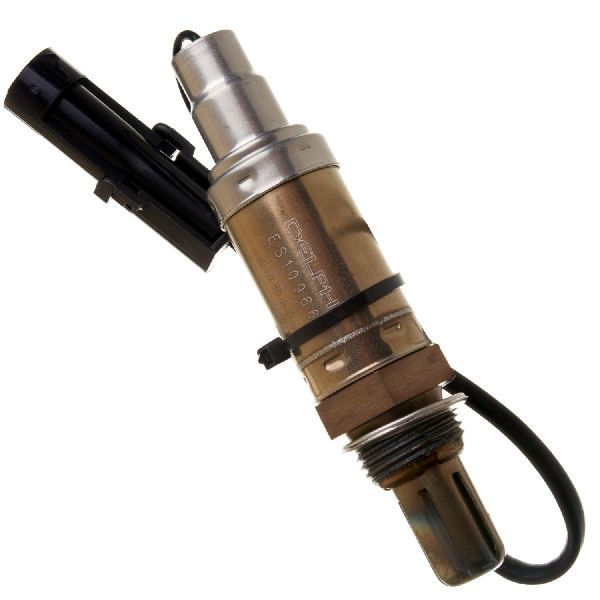
- Delphi: Another major OEM supplier for GM, Delphi parts are a solid and reliable choice.
- Bosch: Bosch invented the oxygen sensor, but their reputation among S-10 Blazer owners is mixed. While many have no problems, some report issues with out-of-the-box failures or incorrect readings on these specific GM trucks. It's a good brand, but ACDelco, Denso, or NGK are safer bets for this vehicle.
Tier 3: Value Brands
These brands offer the lowest price but may not have the same durability or precise performance as the premium options.
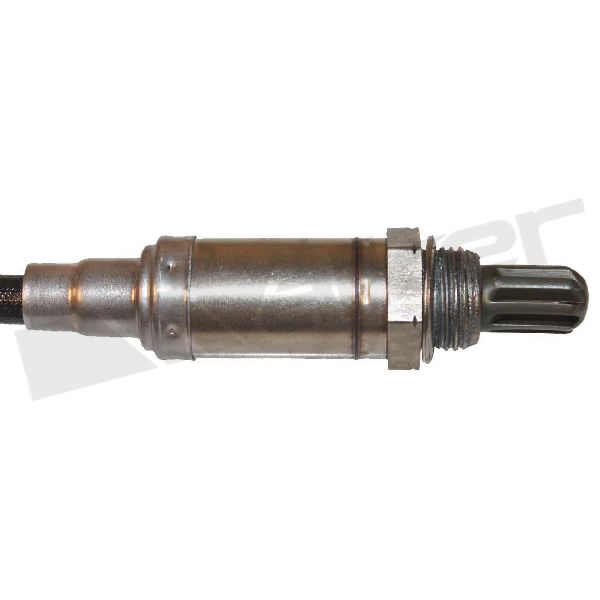
- Walker Products: A known aftermarket exhaust and emissions part manufacturer.
- DriveWire: A budget-friendly option.
Common Ordering Mistake: Wire Count & Connector
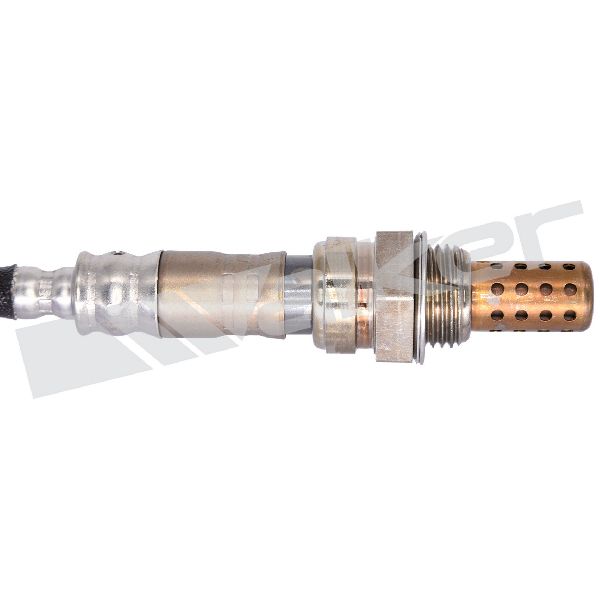
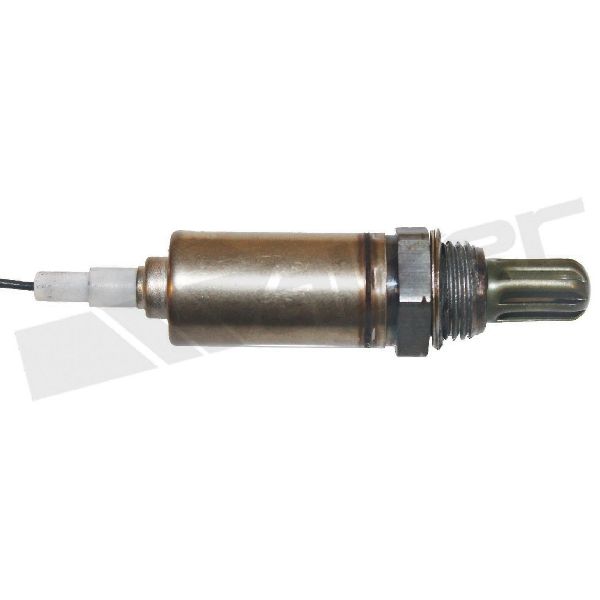
The 1987-1995 generation spans a technology change. Early models (approx. 1987-1991) often use a 1-wire unheated sensor. Later models (approx. 1992-1995) use a 3-wire or 4-wire heated sensor. Always verify the number of wires on your existing sensor before ordering. Also, always choose a "Direct Fit" sensor with the correct plug. Avoid "Universal" sensors that require you to cut and splice wires.
Estimated Costs
| Part Type | Estimated Cost |
|---|---|
| New OEM (ACDelco) | $50 - $100 |
| New Aftermarket | $28 - $96 |
| Shop Labor | $75 - $150 |
Pro Tip: Replacement
Replacing the sensor is a job most DIYers can handle. The sensor is located on the exhaust pipe, usually where the pipes from each side of the engine merge into one (the Y-pipe). The hardest part is often breaking the old sensor loose from the rusty exhaust. Let the exhaust cool completely, spray the sensor's threads with penetrating oil, and use a special O2 sensor socket for the best grip.
🎬 Watch this step-by-step guide on replacing the sensor yourself.Frequently Asked Questions
How many oxygen sensors does my 1987-1995 Blazer have?
For fuel control, your Blazer has only one upstream oxygen sensor. Because these engines use a single fuel injection system (TBI or CPI), they only need one sensor to manage the air/fuel mixture for the whole engine. 🎬 See how to swap the sensor on GM TBI engines. Some 1995 models, which were a transitional year to OBD-II, may have a second, downstream sensor after the catalytic converter, but this sensor only monitors the converter and does not affect how the engine runs.
Can I clean my oxygen sensor instead of replacing it?
It is not recommended. The sensor fails because its internal components wear out over time or get contaminated. Cleaning the outside will not fix a worn-out or faulty sensor. Replacement is the only reliable solution.
What is OBD-I Code 13?
Code 13 is the trouble code for the On-Board Diagnostics (OBD-I) system used in these Blazers. It means the Engine Control Module (ECM) is not receiving the expected signal from the oxygen sensor. This could be because the sensor is dead, the wiring is damaged, or the sensor is not switching between rich and lean as it should.
What tools do I need to replace the O2 sensor?
You will need basic hand tools, but the most important are a can of penetrating oil (like PB Blaster) to loosen the old sensor, and a special O2 sensor socket. This socket is a deep socket with a slot cut down the side to allow the sensor's wire to pass through. A 7/8" or 22mm wrench can also work in some cases.
Helpful Videos
Technical Specifications
OEM Part Numbers: AFS21 AFS74 21006 13077 12014
Configuration varies by year. Early models (approx. 1987-1991) use a 1-wire, unheated, narrow-band sensor. Later models (approx. 1992-1995) use a 3-wire or 4-wire, heated, narrow-band sensor. All models use a single upstream sensor for fuel control. Thread size is typically M18x1.5.
We Have This Part in Stock

The information in this article is provided for general reference and educational purposes only. Vehicle specifications, procedures, and part compatibility can vary by production date, trim level, and region. Always consult your vehicle's factory service manual and verify part numbers before purchasing or performing repairs. Safety-critical components such as airbags, seat belts, and braking systems should be installed by a qualified professional.
- Chevrolet Blazer:
- 🎬 Helpful Videos
- 🛍️ Shop This Part
- Is Your Blazer's Oxygen Sensor Failing?
- Common Symptoms of a Bad O2 Sensor:
- Choosing the Right Aftermarket Oxygen Sensor
- Tier 1: OEM & Premium Aftermarket
- Tier 2: Quality Aftermarket
- Tier 3: Value Brands
- Common Ordering Mistake: Wire Count & Connector
- Estimated Costs
- Pro Tip: Replacement
- Frequently Asked Questions
- 🎟️ Get 5% Off