

Guide to Oxygen Sensor Replacement for 1987-1995 Dodge Dakota
Restore your truck's fuel economy and performance by learning how to choose and replace your O2 sensor.
- A bad O2 sensor directly hurts your Dakota's gas mileage and engine smoothness.
- These trucks are known to be sensitive; use a high-quality Denso or NTK brand sensor for best results.
- Most 1987-1995 models have only one upstream O2 sensor, making it a simple replacement job.
- The hardest part of the job is often removing the old, rust-seized sensor; use penetrating oil.
Signs of a Failing Oxygen Sensor
On an older truck like the 1987-1995 Dakota, an O2 sensor doesn't always fail suddenly. It can get 'lazy' over time, providing slow or inaccurate readings to the computer. Since many of these trucks are pre-OBD-II, a check engine light might not be your first clue. Common symptoms include:
🎬 Watch: 7 symptoms of a bad oxygen sensor you shouldn't ignore.- Poor Fuel Economy: This is one of the most common signs. If you notice you're filling up more often, a bad O2 sensor could be causing the engine to run rich (too much fuel).
- Rough Idle or Hesitation: An incorrect air-fuel mixture can cause your truck's engine to idle poorly, hesitate during acceleration, or even misfire.
- Failed Emissions Test: A bad O2 sensor can lead to increased pollution, causing your truck to fail a smog test.
- Black Smoke or Rotten Egg Smell: Black smoke from the tailpipe indicates a rich fuel mixture, while a sulfur or 'rotten egg' smell can point to a failing sensor and an overworked catalytic converter.
Choosing the Right Aftermarket O2 Sensor
For this generation of Dodge trucks, the choice of sensor brand matters. Forum discussions among Dakota owners consistently show that these trucks can be picky. Using a low-quality or incorrect type of sensor can lead to poor performance, even if the part is new.
Aftermarket Brand Quality Tiers
| Tier | Brands | Description |
|---|---|---|
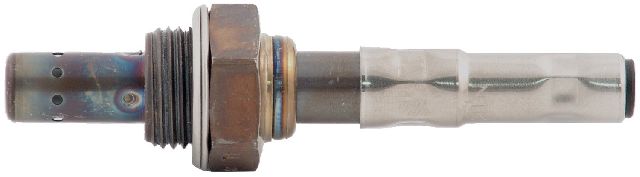
| Premium (OEM-Equivalent) | Denso, NGK (also known as NTK) | These brands are frequently the original equipment manufacturers for many vehicles, including Mopar. They are highly recommended by Dakota owners for their reliability and correct performance. Choosing a direct-fit sensor from Denso or NTK is the safest bet for avoiding compatibility issues. |
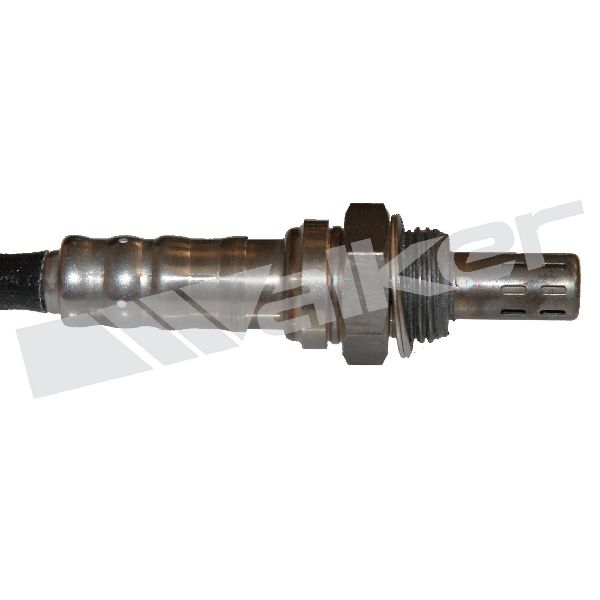
| Quality Aftermarket | Bosch, Delphi, Walker Products | Bosch is a major OEM supplier, but some Dakota owners report mixed results with their aftermarket sensors, citing different warm-up times compared to stock. However, many others use them without issue. Delphi and Walker are generally considered reliable mid-tier options. |
| Budget-Friendly | Crown Automotive, DriveWire | These brands offer a more affordable price point. They can be a viable option for a budget repair, but may not offer the same longevity or precise calibration as premium brands. |
Installation & Known Issues
Most 1987-1995 Dakotas have one or two oxygen sensors, typically located in the exhaust pipe before the catalytic converter. Replacement is straightforward, but the original sensor can be extremely difficult to remove due to rust.
Pro Tip: Liberally apply a penetrating oil like PB Blaster to the old sensor's threads and let it soak for a while before attempting removal. Using a special O2 sensor socket, which has a slot for the wire, is highly recommended. Always apply a small amount of anti-seize compound to the new sensor's threads before installation, but be careful not to get it on the sensor tip.
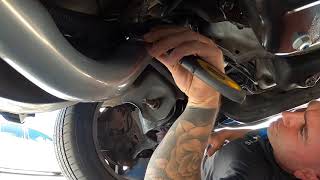
🎬 Watch this walkthrough on how to replace upstream O2 sensors.Common Ordering Mistake
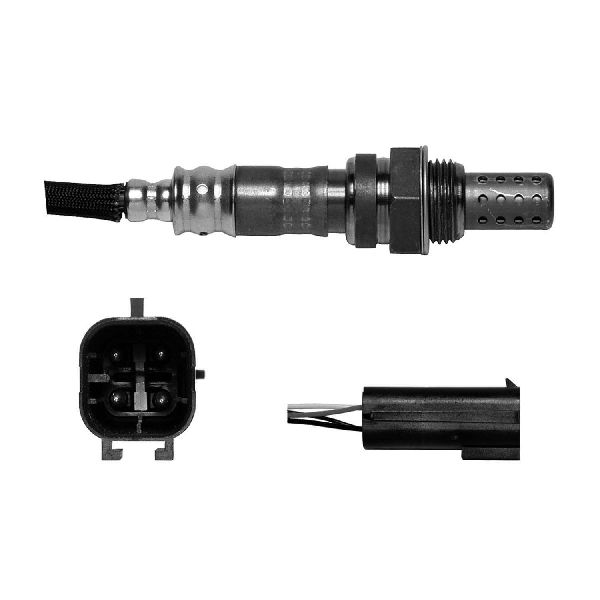
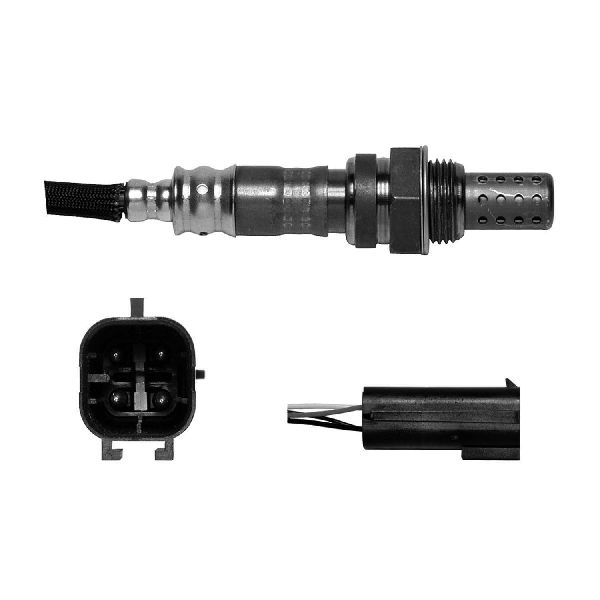
Pay close attention to the number of wires and the connector type on your original sensor. While universal sensors that require you to splice wires are available, a direct-fit sensor with the correct plug will make the job much easier and more reliable.
Frequently Asked Questions
How many oxygen sensors does my 1987-1995 Dakota have?
Most Dakotas from this era, being pre-OBD-II, have only one upstream oxygen sensor located before the catalytic converter. Some later models or those with California emissions might have two sensors, but one is most common. You will not typically find downstream (post-catalytic converter) sensors on these models.
Can I clean my old O2 sensor?
While some attempt it, cleaning an O2 sensor is generally not recommended and is rarely a permanent fix. The internal sensing elements wear out over time, and contamination often penetrates the sensor's protective shield. Given the reasonable cost of a new sensor, replacement is the best option.
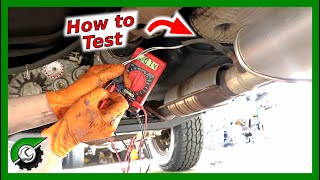
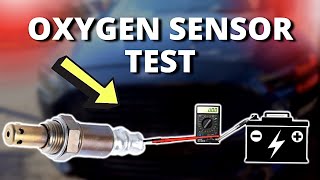
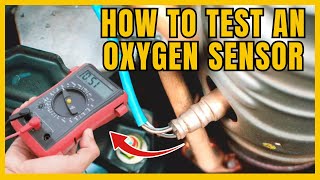
🎬 See how to test an oxygen sensor before buying a replacement.Do I need a special tool for replacement?
Yes, an oxygen sensor socket is highly recommended. This is a socket with a slot cut down the side to accommodate the sensor's wire. While you might be able to use a standard wrench, access is often tight, and a seized sensor can be rounded off easily.
Are there any recalls for the oxygen sensor on my Dakota?
No, a search of the National Highway Traffic Safety Administration (NHTSA) database shows no specific recalls for the oxygen sensor on 1987-1995 Dodge Dakota models.
Helpful Videos

Technical Specifications
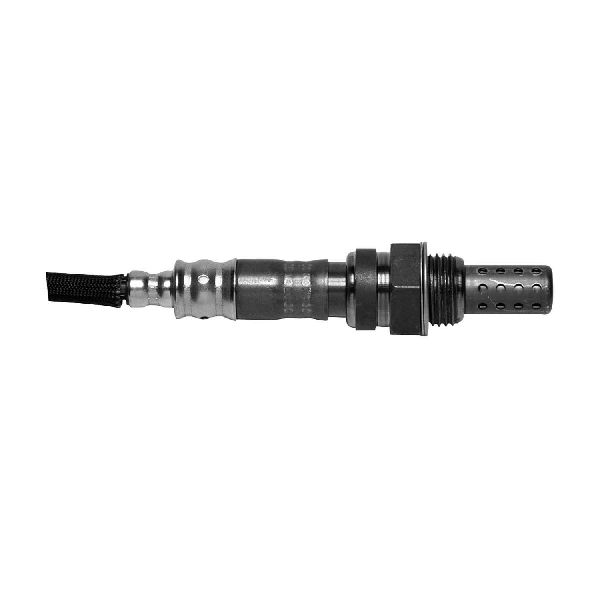
OEM Part Numbers: 56041004 5233088
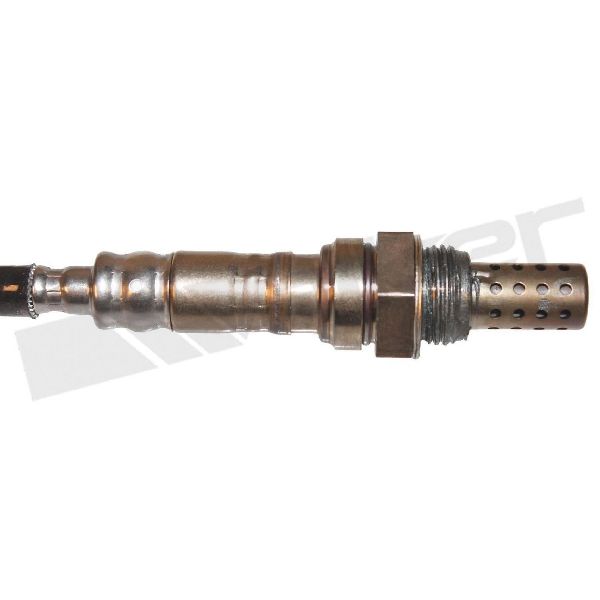
Typically a 1, 3, or 4-wire heated or unheated sensor with an M18-1.50 thread size, depending on year and engine.
We Have This Part in Stock

The information in this article is provided for general reference and educational purposes only. Vehicle specifications, procedures, and part compatibility can vary by production date, trim level, and region. Always consult your vehicle's factory service manual and verify part numbers before purchasing or performing repairs. Safety-critical components such as airbags, seat belts, and braking systems should be installed by a qualified professional.
- Dodge Dakota: