

Dodge Grand Caravan Oxygen Sensor Guide: 1987-1995 Models
Keep your classic Grand Caravan running smoothly by understanding its oxygen sensor.
- A bad O2 sensor will decrease fuel economy and can damage your catalytic converter over time.
- For this van, use a direct-fit sensor from a quality brand like Denso or NGK/NTK for best results.
- Most 1987-95 models use the OBD-I system; a flashing code '21' from the Check Engine Light points to the O2 sensor.
- Replacement is a feasible DIY job, but the old sensor can be difficult to remove due to rust.
Is a Bad Oxygen Sensor a Big Deal?
Yes, it can be. A failing oxygen sensor sends bad information to your van's computer. The computer might add too much fuel, or not enough. This can cause a range of problems from annoying to serious. You'll notice poor gas mileage, a rough idle, and maybe even stalling. If you ignore it for too long, a bad O2 sensor can lead to expensive damage, most notably to the catalytic converter.
Check Engine Light: OBD-I vs. OBD-II
Most 1987-1995 Grand Caravans use an older diagnostic system called OBD-I. If your Check Engine Light is on, you can retrieve a two-digit code by turning the ignition key "ON-OFF-ON-OFF-ON" within five seconds (without starting the engine). The light will then flash the code. A code '21' typically points to an oxygen sensor problem. Some very late 1995 models may have the newer OBD-II system, which uses a plug-in scanner for 'P' codes. Always verify which system your van has.
Choosing the Right Aftermarket Oxygen Sensor
For a vehicle of this age, a quality aftermarket oxygen sensor is a smart and affordable choice. OEM parts can be hard to find or unnecessarily expensive. However, not all aftermarket brands are created equal. Chrysler vehicles of this era can be sensitive to the brand of sensor used. Here’s a breakdown of reliable brands.
- Premium Brands (Recommended): Denso and NGK (sometimes sold as NTK) are often the original equipment manufacturers for many car brands. They are known for their reliability and precise fit. Choosing one of these is your best bet for a trouble-free replacement that performs like the original.
- Quality Mid-Range Brands: Bosch and Delphi are well-known names that produce quality sensors. While generally reliable, some forum users with Chrysler vehicles have reported occasional issues, so sticking with Denso or NGK is often preferred if available.
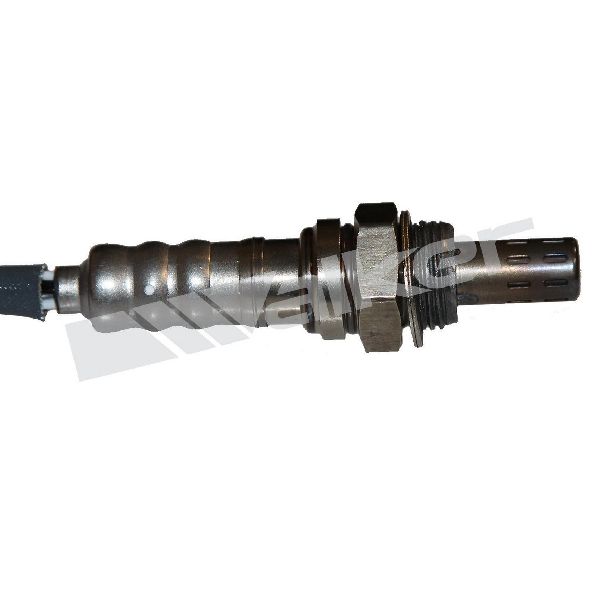
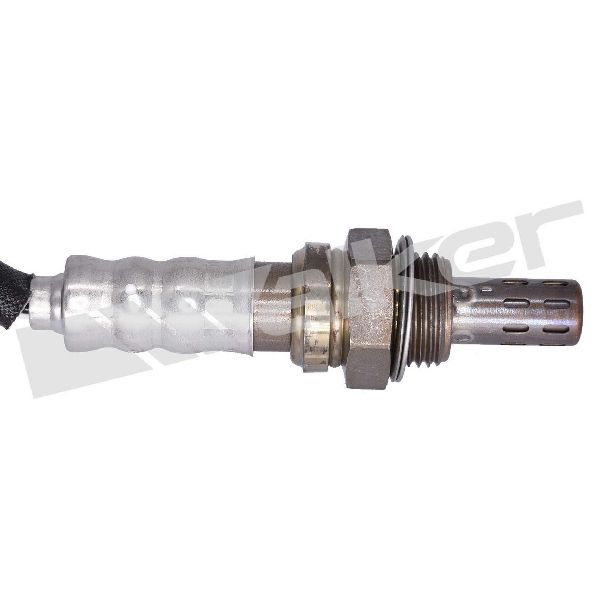
- Value Brands: Brands like DriveWire, Walker Products, and Vemo offer a lower price point. They can be a good option for a tight budget, but their long-term durability and performance might not match the premium brands.
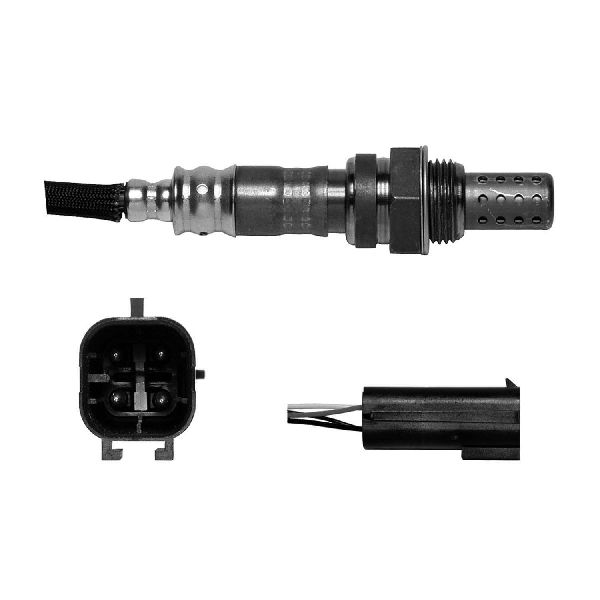
Pro Tip: Always buy a "direct-fit" sensor. These come with the correct plug for your van's wiring harness. A "universal" sensor requires you to splice wires, which can lead to connection problems down the road.
Expected Replacement Costs
The cost depends on whether you do it yourself or have a shop do the work. The parts themselves are affordable.
| Item | Estimated Cost |
|---|---|
| New Aftermarket Oxygen Sensor | $38.44 - $86.20 |
| Shop Labor | $90 - $155 |
| Total Professional Replacement | $128 - $241 |
Frequently Asked Questions
How many oxygen sensors does my 1987-1995 Grand Caravan have?
Most vans from this era, depending on the engine (2.5L, 3.0L, 3.3L), will have one or two "upstream" oxygen sensors. These are located in the exhaust manifold or pipe before the catalytic converter. Unlike modern cars, they typically do not have "downstream" sensors after the converter.
Can I clean my old oxygen sensor?
While some people attempt to clean O2 sensors, it is not a reliable or recommended fix. Contaminants from fuel, oil, and coolant can permanently damage the sensor's internal element. Given the low cost of a new aftermarket sensor, replacement is the best option.
Is this a difficult DIY job?
For a home mechanic, this is usually a manageable job. The main challenge is often the old sensor being rusted or "seized" in the exhaust pipe. Using a special O2 sensor socket and some penetrating oil can help greatly. The sensor's location can be tight, but it's often accessible from under the vehicle.
What's the difference between a heated and unheated sensor?
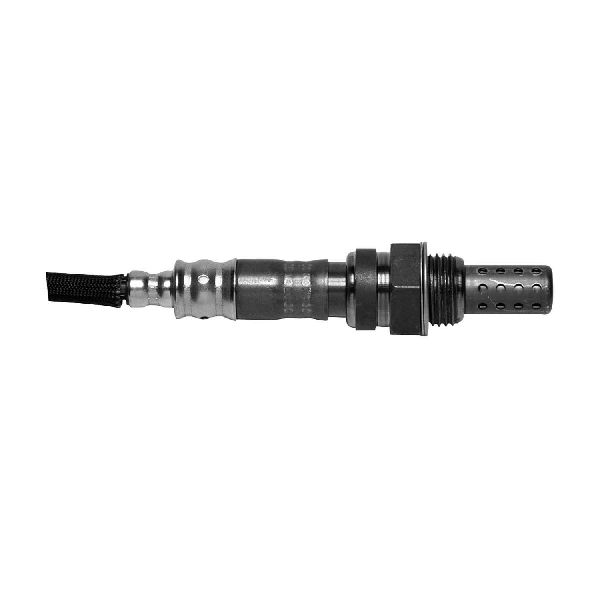
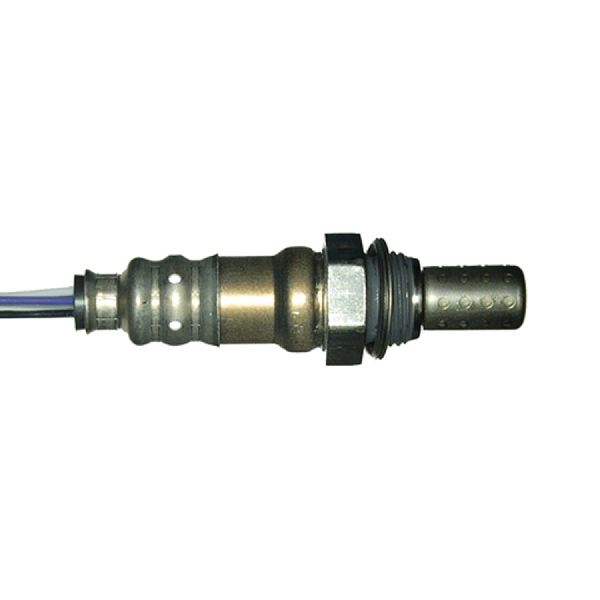
Heated sensors have an internal heating element that gets them to operating temperature faster, which improves accuracy on cold starts. Most vehicles in this year range use a heated sensor with 3 or 4 wires. It is critical to replace your sensor with the correct type; check the number of wires on your old sensor before ordering.
Technical Specifications
OEM Part Numbers: 5149171AB
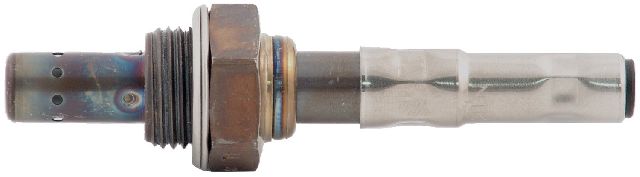
Fits 1987-1995 Dodge Grand Caravan with 2.5L, 3.0L, 3.3L, and 3.8L engines. Typically a single upstream sensor, though some configurations may have two. Most are heated, 3 or 4-wire types. Verify wire count before purchase.
We Have This Part in Stock

The information in this article is provided for general reference and educational purposes only. Vehicle specifications, procedures, and part compatibility can vary by production date, trim level, and region. Always consult your vehicle's factory service manual and verify part numbers before purchasing or performing repairs. Safety-critical components such as airbags, seat belts, and braking systems should be installed by a qualified professional.
- Dodge Grand Caravan: