

Choosing a Catalytic Converter for Your 1987-1995 Mazda RX-7
Don't let a bad catalytic converter compromise your rotary engine's unique power and performance.
- Rotary engines produce extreme exhaust heat that can destroy standard catalytic converters; choose a high-temp or metallic core model.
- Before replacing a failed cat, diagnose and fix underlying engine issues like running rich or burning oil to prevent repeat failure.
- For 1986-88 non-turbo models, ensure your replacement exhaust setup supports the 5th and 6th port actuators to avoid losing power.
- For 1992-95 turbo models, a high-flow cat is safer than a straight pipe to help prevent engine-damaging boost creep.
Signs of a Failing Catalytic Converter
A failing catalytic converter on an RX-7 can show several signs. Because these cars were produced before modern OBD-II diagnostics became standard in 1996, a check engine light might be less common or specific. Pay close attention to how your car drives.
- Loss of Power: This is the most common symptom. A clogged converter creates excessive backpressure, choking the engine and making it feel sluggish, especially at high RPM.
- Glowing Red Converter: In severe cases, a clogged converter can trap so much heat that it glows red after a drive. This is a serious issue, as the extreme heat can be a fire hazard and damage surrounding components.
- Rattling Noises: The internal honeycomb structure of the converter can break apart over time. This creates a rattling sound from under the car, which may sound like a handful of pebbles in a tin can.
- Rotten Egg Smell: A sulfur-like, rotten egg smell from the exhaust indicates the converter is no longer effectively processing unburnt fuel and byproducts.
Rotary Engine Heat is a Cat Killer
The single most important factor for an RX-7 catalytic converter is its ability to withstand heat. Rotary engines run significantly hotter than piston engines, and this heat can destroy standard, low-quality aftermarket converters in a very short time. An aftermarket part must be specifically designed for high-heat applications to be a reliable choice for your RX-7.
Choosing the Right Aftermarket Catalytic Converter
With original Mazda (OEM) converters being extremely expensive, the aftermarket is the go-to for most owners. However, not all aftermarket parts are created equal, especially for this car.
Brand Tiers for the RX-7
When shopping for your RX-7, think of brands in tiers based on their ability to handle the rotary's heat and specific design needs.
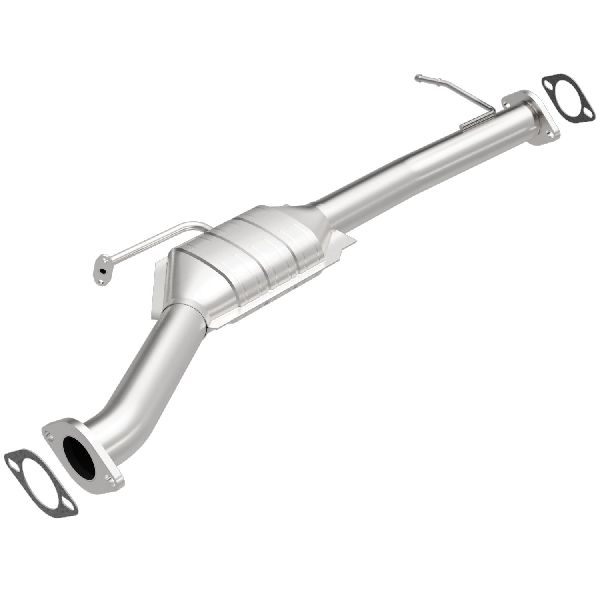
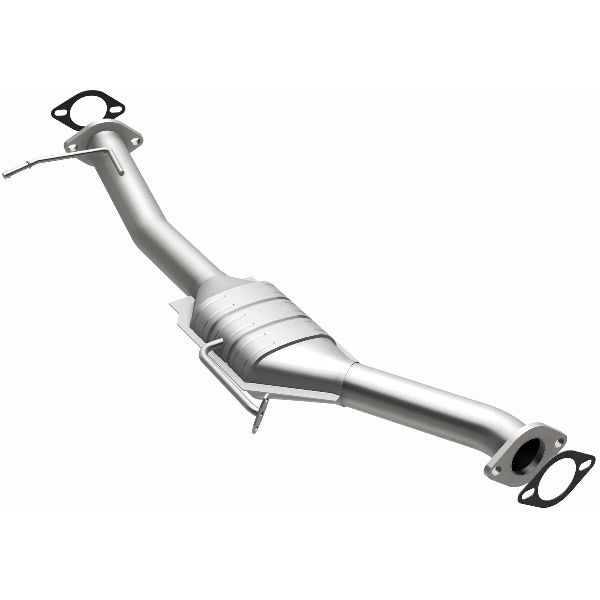
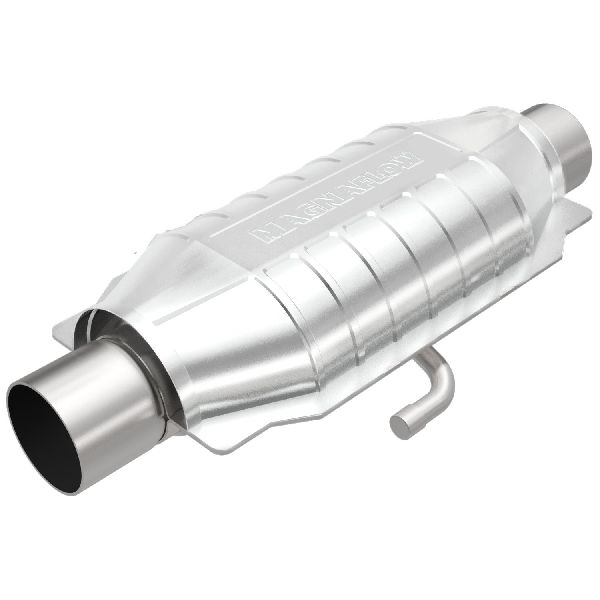
- Tier 1: High-Performance / Rotary-Specific: Brands like MagnaFlow offer direct-fit, high-flow catalytic converters made with metallic cores designed to handle higher temperatures better than ceramic. These are a good balance of performance, durability for street use, and cost. While they are robust, even these may have a limited lifespan with aggressive track driving.
- Tier 2: OEM-Style Replacements: Walker Exhaust is a well-known brand that produces reliable, OEM-style replacements. These are a solid choice if your goal is simply to replace a failed unit on a stock vehicle for regular street driving. They are designed to fit and function like the original but may not offer the performance benefits of a high-flow unit.
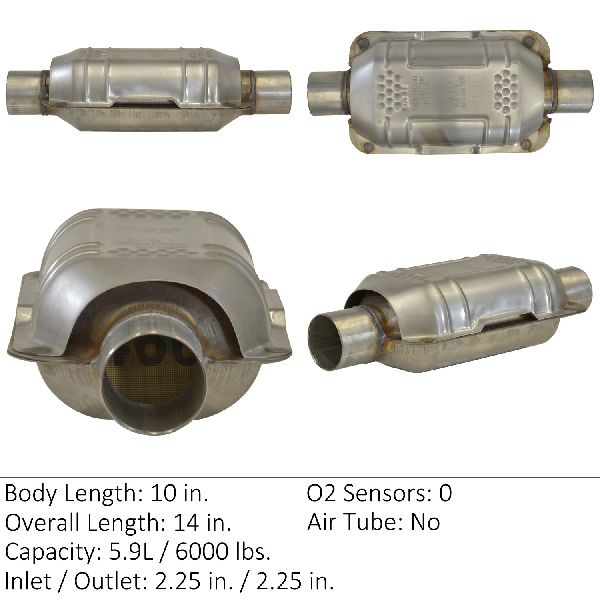
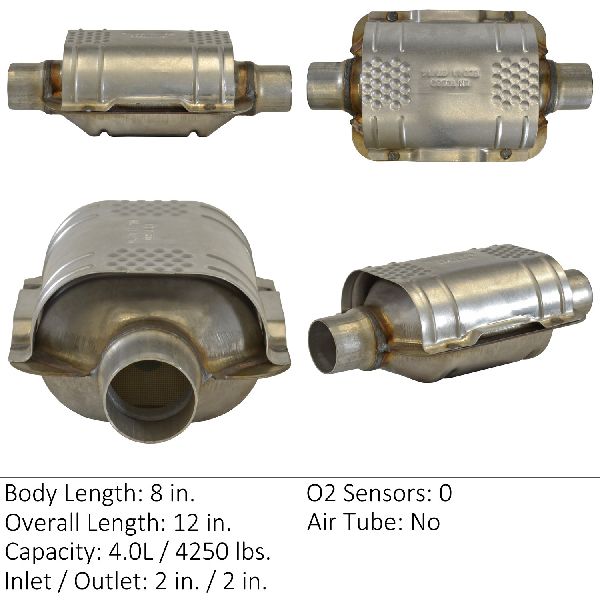
- Tier 3: Budget-Oriented: Brands like Eastern Catalytic offer a more affordable option. While tempting, these are often universal-fit and may use a standard ceramic core not designed for the RX-7's high EGTs. There is a higher risk of premature failure, fitment issues, and needing to replace the part again sooner.
Fix the Cause, Not Just the Symptom
A catalytic converter usually fails because of another problem. Common causes on a rotary engine include excessive oil consumption (from a failing oil metering pump or internal seals) or an engine running too rich. Before spending money on a new converter, make sure your engine is in good health to avoid destroying the new part.
Generation-Specific Issues to Consider
The 1987-1995 range covers two different RX-7 generations (FC and FD), and they have unique needs.
- 1987-1991 FC RX-7 (S4/S5): Non-turbo models from 1986-1988 use exhaust backpressure to open the 5th and 6th auxiliary intake ports at higher RPMs. Removing the stock catalytic converter system without ensuring your new setup provides the necessary pressure signal to the actuators will result in a significant loss of top-end power. Some aftermarket systems are designed with this feature in mind.
- 1992-1995 FD RX-7 (S6): The twin-turbo engine in the FD runs extremely hot. A common modification is to remove the restrictive main catalytic converter. However, on a stock ECU, this can cause "boost creep"—an uncontrolled rise in boost pressure that can quickly destroy the engine. Using a high-flow catalytic converter is a popular solution, as it provides enough backpressure to help maintain stable boost control while still improving exhaust flow over the stock unit.
Cost of a New Aftermarket Catalytic Converter
| Part Type | Estimated Cost |
|---|---|
| New Aftermarket Converter | $97.00 - $422.00 |
| Shop Labor for Installation | $150 - $350 |
| Total Estimated Cost | $247.00 - $772.00 |
Frequently Asked Questions
Do I need a high-flow catalytic converter?
For a modified or performance-oriented RX-7, especially a turbocharged FD model, a high-flow cat is highly recommended. It improves exhaust flow for more power and can help prevent boost creep. For a stock, daily-driven FC, a standard OEM-style replacement from a brand like Walker is sufficient.
Will an aftermarket converter pass an emissions test?
Most aftermarket converters from reputable brands like MagnaFlow and Walker are EPA-compliant and designed to pass federal emissions tests when new. However, they will not be legal for sale or use in states with California (CARB) emissions standards unless specifically noted as CARB-compliant. Always check your local laws.
Can I just remove the catalytic converter?
Removing the catalytic converter (installing a "test pipe" or "mid-pipe") is illegal for any vehicle driven on public roads in the United States. It will cause you to fail any emissions inspection. On an FD RX-7, it can also lead to dangerous boost creep without a proper tune.
Were there any recalls for the RX-7 catalytic converter?
No, there have been no specific recalls or technical service bulletins (TSBs) issued by Mazda or the NHTSA for the catalytic converters on 1987-1995 Mazda RX-7 models.
Technical Specifications
OEM Part Numbers: N3D8-20-600A N3D9-20-600A
Vehicle fitment covers two generations: the FC (1987-1991) and the FD (1992-1995). Converters can be direct-fit or universal, with ceramic or metallic substrates. Inlet/outlet diameters vary by application, typically from 2.25" to 3.0".
We Have This Part in Stock

The information in this article is provided for general reference and educational purposes only. Vehicle specifications, procedures, and part compatibility can vary by production date, trim level, and region. Always consult your vehicle's factory service manual and verify part numbers before purchasing or performing repairs. Safety-critical components such as airbags, seat belts, and braking systems should be installed by a qualified professional.
- Mazda RX-7:
- 🛍️ Shop This Part
- Signs of a Failing Catalytic Converter
- Rotary Engine Heat is a Cat Killer
- Choosing the Right Aftermarket Catalytic Converter
- Brand Tiers for the RX-7
- Fix the Cause, Not Just the Symptom
- Generation-Specific Issues to Consider
- Cost of a New Aftermarket Catalytic Converter
- Frequently Asked Questions
- 🎟️ Get 5% Off