

A Guide to the Engine Coolant Temperature Sensor for the 1987-1995 Nissan Pathfinder
If your Pathfinder is running rich, getting poor gas mileage, or starting hard, this critical sensor could be the reason.
- Crucially, verify if you need the two-wire ECTS for the engine computer or the one-wire sender for the dash gauge.
- A bad sensor is a common cause of suddenly poor gas mileage, black smoke, and hard starting on a warm engine.
- For most 1990-1995 Pathfinders, this is a very easy and inexpensive DIY repair that can be done in under 30 minutes.
- A quality aftermarket brand like NGK or even a value brand will solve the problem effectively on this vehicle.
Is Your Pathfinder's Coolant Temp Sensor Failing?


For a vehicle like the 1987-1995 Nissan Pathfinder, age is a major factor in sensor failure. The internal components can wear out, or the electrical connector can become corroded, leading to incorrect signals. When the Engine Coolant Temperature Sensor (ECTS) fails, it usually gets stuck sending a "cold" signal to the ECU. The computer then dumps extra fuel into the engine, thinking it's still in warm-up mode. This leads to a host of noticeable problems.
Key Failure Symptoms
- Poor Fuel Economy: This is often the first sign. The engine runs rich, using much more fuel than necessary.
- Black Smoke from Exhaust: The excess, unburned fuel is pushed out the tailpipe, creating black, sooty smoke.
- Hard Starting When Warm: A cold engine needs a rich fuel mixture to start, but a warm engine does not. If the sensor is telling the ECU the engine is cold, it will flood a warm engine with too much fuel, making it difficult to restart.
- Rough Idle or Stalling: The incorrect fuel mixture can cause the engine to idle poorly, surge, or even stall completely.
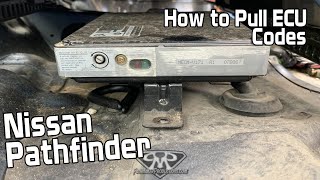
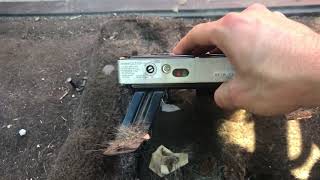
- Check Engine Light: On these OBD-I Pathfinders, a bad ECTS will trigger a fault code. You can check this yourself by accessing the ECU under the passenger seat. A Code 13 specifically points to the coolant temperature sensor circuit. 🎬 See how to read ECU codes without a scanner
Sensor vs. Sender: A Critical Distinction
Your 1987-1995 Pathfinder has two separate temperature units. It is crucial to order the correct one.
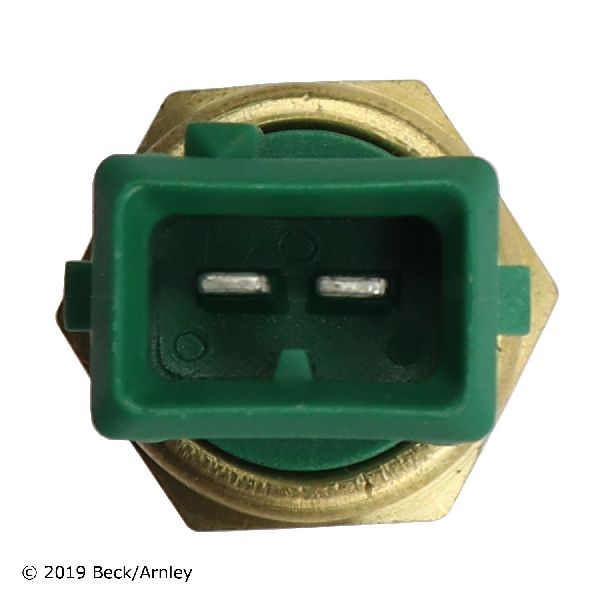
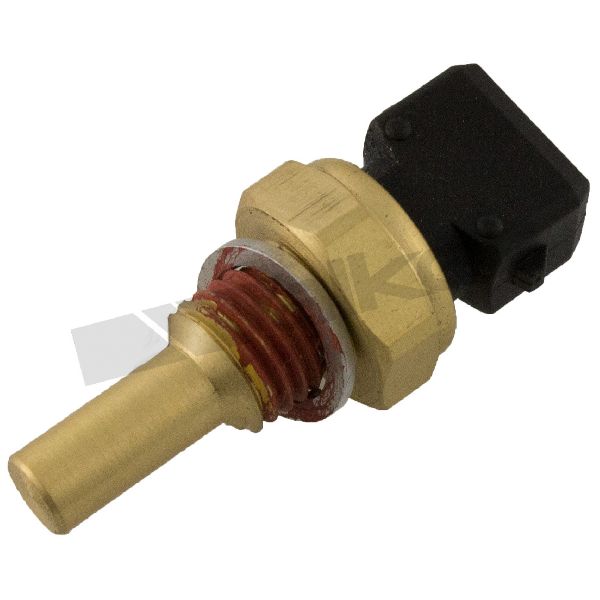
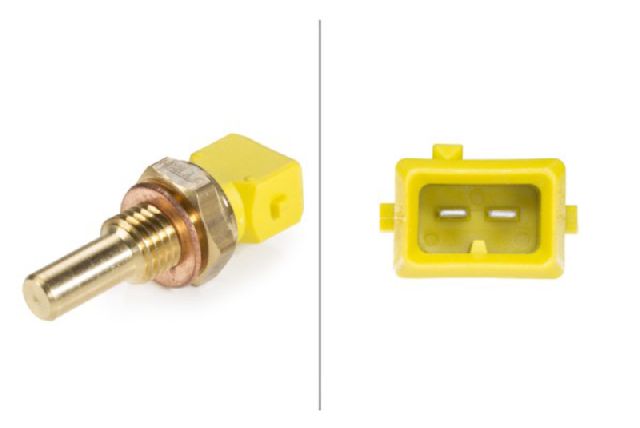
- The Engine Coolant Temperature Sensor (ECTS) has a two-wire connector and sends information to the ECU to control the engine. This is the part that causes the running issues described above.
- The Coolant Temperature Sender has a one-wire connector and only sends information to the temperature gauge on your dashboard. A failure here will only affect the gauge reading, not how the engine runs.
Before ordering, visually inspect the part you are replacing to confirm it has a two-wire plug.
Choosing the Right Aftermarket Sensor

For a simple sensor on an older vehicle, a quality aftermarket part offers excellent value. OEM parts can be hard to find and expensive. Here’s a breakdown of the available brands.
- Premium Brands (NGK, Standard Ignition): NGK is a well-respected OEM supplier for many Japanese vehicles and is a top choice for reliability. Standard Ignition (also known as SMP) is a long-standing brand that often provides quality components, though sometimes their parts can be inconsistent. These are your best bet for fit and long-term performance.
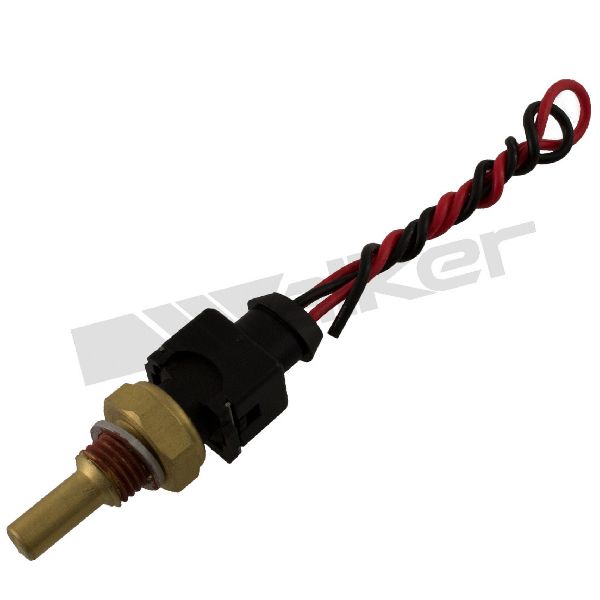
- Value Brands (Beck Arnley, Facet, Hella, Walker, etc.): These brands provide a cost-effective solution. Beck Arnley has a history of re-packaging OEM parts, but in recent years this has become less common. For a vehicle of this age, these brands are a perfectly acceptable choice that will restore function without the higher cost of premium brands.
Pro Tip: Location and Replacement
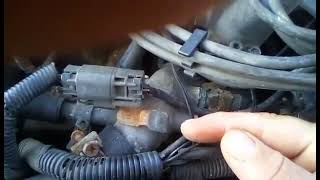
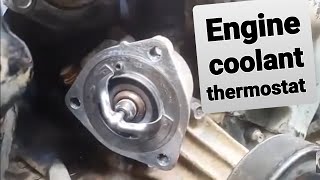
On Pathfinders with the VG30E engine (common from 1990-1995), the sensor is very easy to access. It's located on the main coolant pipe at the very front of the engine, near the thermostat housing. 🎬 Watch: See the exact sensor location on the VG30E engine On earlier VG30i engines, it can be more difficult to reach, located on the intake manifold behind the timing belt area. The replacement is a simple DIY job for most owners with a VG30E: partially drain the coolant, unplug the electrical connector, unscrew the old sensor, install the new one, and top off the coolant.
🎬 Watch: Step-by-step guide for a thermostat and coolant flushCost of Replacing the Sensor
| Part Type | Estimated Cost |
|---|---|
| New Aftermarket Sensor | $10 - $40 |
| Shop Labor | $75 - $150 |
| Total (DIY) | $10 - $40 |
| Total (Shop) | $85 - $190 |
Frequently Asked Questions

Do I need to drain all the coolant to replace the sensor?
No. You only need to drain enough coolant so the level is below the sensor's location. For most Pathfinders where the sensor is high on the engine, you may only lose a small amount that can be easily topped off.
What happens if I don't replace a bad coolant temp sensor?
You will continue to have poor fuel economy, which costs you money. The rich fuel mixture can also, over time, damage your catalytic converter and foul your spark plugs, leading to more expensive repairs down the road.
How do I check the codes on my 1987-1995 Pathfinder?
Your ECU is under the passenger seat. Depending on the year and engine, it has either a small screw or a toggle switch for diagnostics. By turning the key on (engine off) and manipulating this switch, you can make the red and green LEDs on the ECU blink out any stored trouble codes. A code 13 indicates a problem with the ECTS circuit.
Is the sensor for the V6 the same as the 4-cylinder?
The sensors themselves are often physically similar, but you must use a part that is specified for your exact year and engine. The resistance values can be different between models, so always verify fitment before purchasing.
Helpful Videos
Technical Specifications
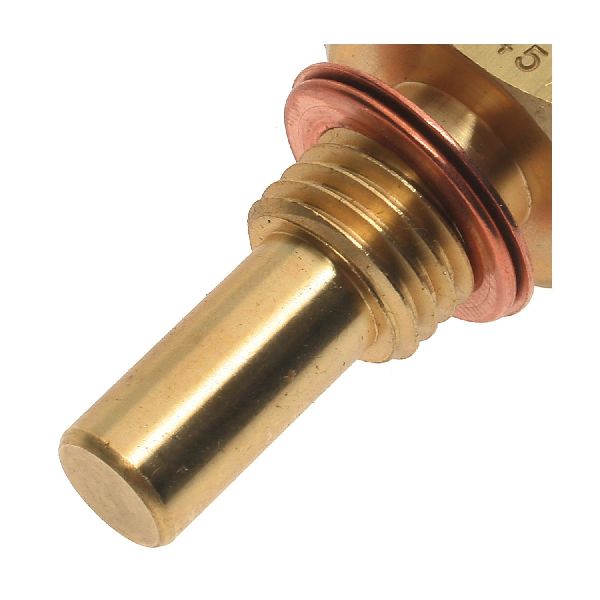
Connector Type: 2-wire plug. Thread size varies by specific application, visual confirmation is recommended.
We Have This Part in Stock


The information in this article is provided for general reference and educational purposes only. Vehicle specifications, procedures, and part compatibility can vary by production date, trim level, and region. Always consult your vehicle's factory service manual and verify part numbers before purchasing or performing repairs. Safety-critical components such as airbags, seat belts, and braking systems should be installed by a qualified professional.
- Nissan Pathfinder: