

Throttle Position Sensor Guide for the 1987-1995 Pontiac Grand Am
Solving common stalling, high idle, and hesitation problems in your Grand Am starts with this critical sensor.
- Symptoms like high idle, stalling, and hesitation are classic signs of a failing TPS on this Grand Am.
- Replacement is a simple, 30-minute DIY job with basic tools, saving you significant labor costs.
- For best results and longevity, choose an OEM-grade brand like ACDelco or Delphi.
- Always verify the part fits your specific engine (4-cylinder or V6) before purchasing.
Is Your Grand Am Running Rough? It Could Be the TPS.
If your 1987-1995 Pontiac Grand Am is experiencing issues like stalling at red lights, idling way too high, or hesitating when you try to accelerate, a failing Throttle Position Sensor (TPS) is a very common culprit. This sensor is a known wear item on these cars. As it gets old, its internal contacts wear out, sending bad information to your car's computer. This leads to a host of drivability problems that can be frustrating and potentially unsafe.
Common Symptoms of a Bad TPS on a Grand Am
A failing TPS can make your car act in strange ways. You might notice one or more of these signs:
- High or Erratic Idle: The engine may idle much faster than normal, sometimes causing it to 'diesel' or run on for a few seconds after you turn the key off. It can also 'hunt' for a steady idle, with the RPMs bouncing up and down.
- Stalling: The engine may stall when you come to a stop or when you let off the gas.
- Hesitation or Stumbling: When you press the gas, the car might hesitate or feel like it has no power before finally accelerating.
- Poor Automatic Transmission Shifting: Your transmission might shift at the wrong times, shift harshly, or refuse to downshift when you need to pass.
- Check Engine Light: A failing TPS can trigger the 'Check Engine' or 'Service Engine Soon' light, but it won't always, especially in the early stages of failure.
Choosing the Right Aftermarket TPS Brand
For a car like the '87-'95 Grand Am, you don't need to hunt down an expensive dealer part. The aftermarket offers excellent options that meet or exceed original quality. Here’s how the brands break down:
- OEM-Grade (Best Choice): Brands like ACDelco and Delphi are the top choices. ACDelco was the original part supplier for GM, and Delphi was a part of GM for many years. Choosing one of these ensures a perfect fit and long-term reliability.
- Quality Aftermarket (Solid Options): Brands such as Standard Ignition (SMP), Walker Products, and NGK are well-respected in the industry. They produce reliable sensors that are a great balance of quality and price.
- Economy Brands (Budget-Friendly): Brands like Dorman, True Tech, and other store brands offer the most affordable path. While often functional, quality can sometimes be inconsistent for electronic parts compared to the top-tier brands. For a critical sensor like the TPS, spending a few extra dollars for a better brand is wise to avoid doing the job twice.
Typical Costs for a New Throttle Position Sensor
| Part Type | Estimated Cost |
|---|---|
| New Aftermarket TPS | $24 - $99 |
| New OEM (ACDelco) | $70 - $120 |
| Shop Labor for Installation | $50 - $120 |
Frequently Asked Questions (FAQ)
Can I just clean my old TPS?
No. The TPS is a sealed electronic sensor. The failure happens inside from wear on its electrical contacts. It cannot be cleaned or repaired and must be replaced.
Do I need to reset the computer after replacing the TPS?
On these older GM vehicles, it's a good practice. After installing the new sensor and reconnecting the battery, the computer will relearn the new sensor's values as you drive. Some mechanics recommend a specific relearn procedure, but simply disconnecting the battery during the install often does the trick.
Are there any recalls for the Grand Am TPS?
No. Searches of NHTSA data show no official recalls specifically for the throttle position sensor on the 1987-1995 Pontiac Grand Am.
Is there a difference between the sensor for the 4-cylinder and V6 engines?
Yes, in some years the part can be different depending on the engine (e.g., 2.3L Quad 4, 2.5L Iron Duke, 3.1L V6). It is critical to use your vehicle's specific information (year and engine size) when ordering to ensure you get the correct part. The sensor's physical shape and electrical connector must match the original.
Technical Specifications
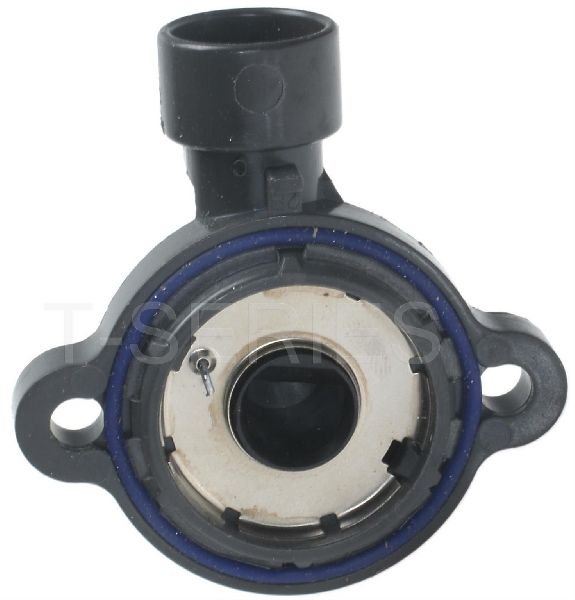
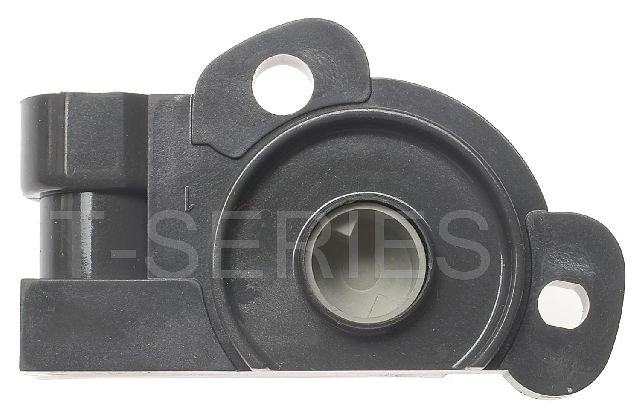
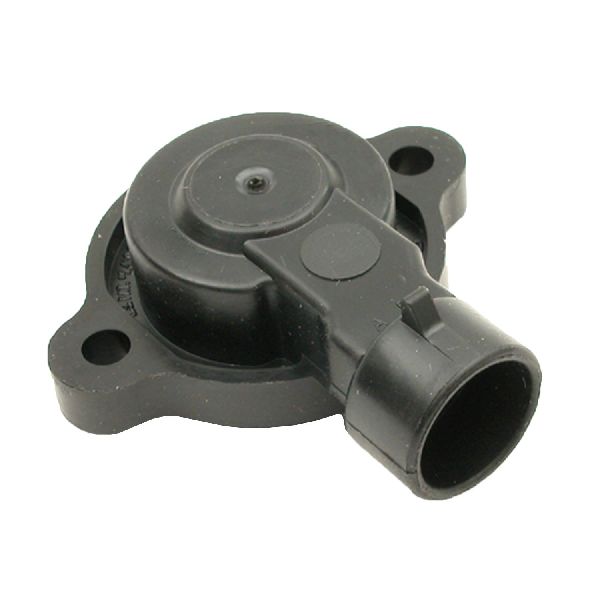
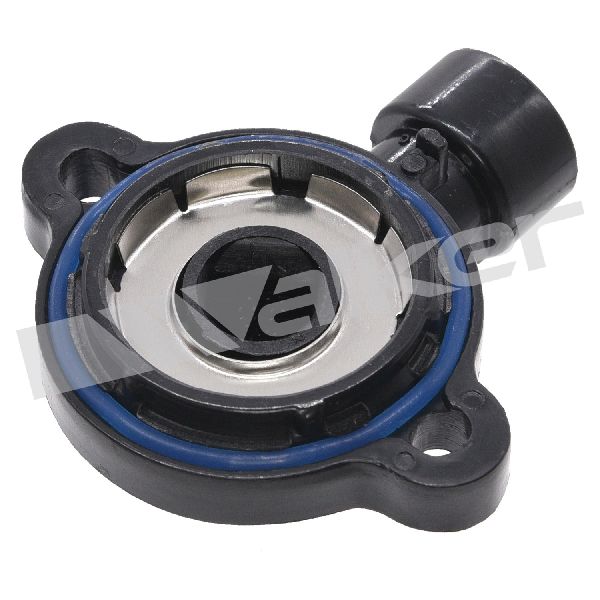
Typically a 3-pin plastic sensor mounted to the throttle body with two Torx screws. The internal mechanism is a potentiometer that changes resistance based on throttle angle.
We Have This Part in Stock


The information in this article is provided for general reference and educational purposes only. Vehicle specifications, procedures, and part compatibility can vary by production date, trim level, and region. Always consult your vehicle's factory service manual and verify part numbers before purchasing or performing repairs. Safety-critical components such as airbags, seat belts, and braking systems should be installed by a qualified professional.
- Pontiac Grand Am: