

Chevrolet Beretta Engine Coolant Temperature Sensor Guide (1987-1996)
Fix common running problems like poor gas mileage and black exhaust smoke by understanding this critical sensor in your Beretta.
- A failing ECT sensor usually makes the computer think the engine is cold, causing a rich fuel mixture, poor MPG, and black smoke.
- For most Berettas, a Check Engine Light will be accompanied by OBD-I Code 14 or 15.
- For reliability, choose an OEM brand like ACDelco or a top-tier aftermarket brand like Standard Ignition; cheap sensors can fail quickly.
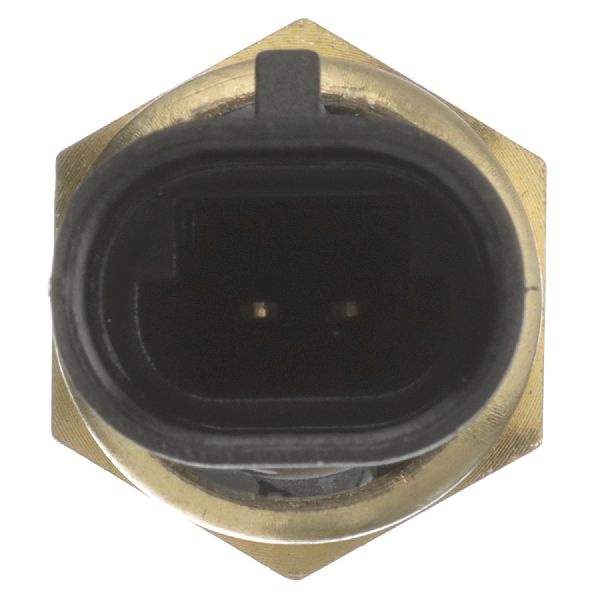
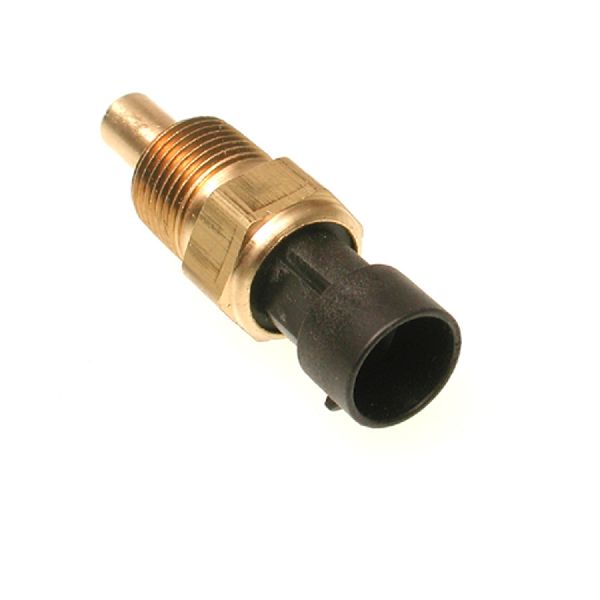
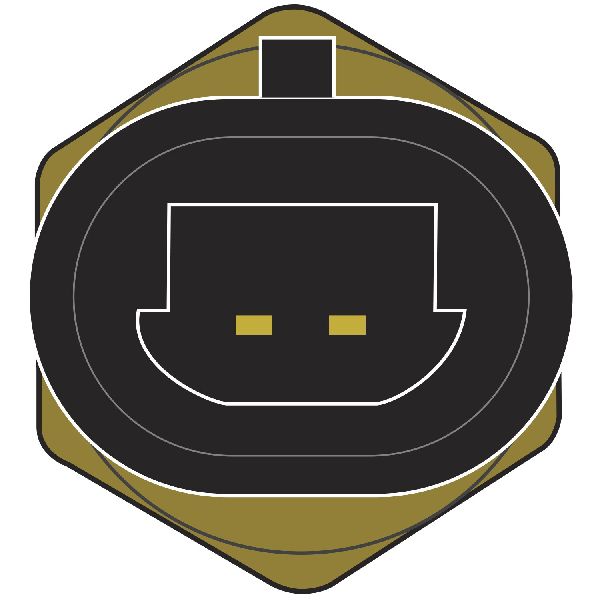
- Ensure you are replacing the two-wire sensor for the computer, not the single-wire sender for the dashboard gauge.
Is My Beretta's Coolant Temp Sensor Failing?
When the Engine Coolant Temperature (ECT) sensor fails, it typically sends a false signal to the engine's computer telling it the engine is extremely cold, even when it's fully warmed up. This causes the computer to inject too much fuel, a condition known as "running rich." The symptoms can often be confused with other fuel system or ignition problems.
Key Failure Symptoms:
- Check Engine Light: This is the most common indicator. For most 1987-1995 Berettas with OBD-I diagnostics, you'll see a Code 14 or Code 15. Code 15 (low temperature indicated) is most common for a failed sensor, while Code 14 (high temperature indicated) often points to a short in the wiring. 1996 models use OBD-II and may show codes like P0117 or P0118.
- Poor Fuel Economy: The engine computer dumps extra fuel, thinking it's starting in freezing temperatures, which drastically reduces your MPG.
- Black Smoke from Exhaust: This is unburned fuel exiting the tailpipe due to the overly rich fuel mixture.
- Rough Idle or Stalling: The engine may stumble, idle poorly, or stall, especially when it should be warmed up.
- Cooling Fans Run Constantly (or Not at All): As a fail-safe, the computer may run the cooling fans all the time to prevent overheating. In other cases, it may not get the signal to turn them on, creating an overheat risk.
- Failed Emissions Test: An engine running rich will produce high levels of carbon monoxide (CO), causing an automatic failure.
Mistaking the Sensor vs. the Sender
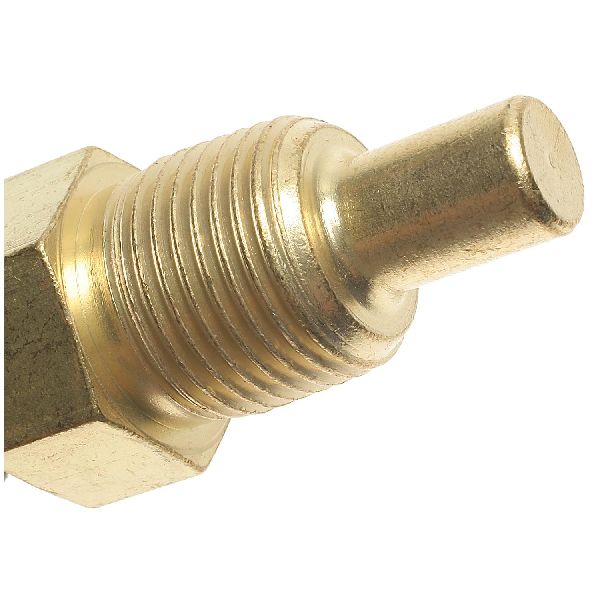
Many Beretta engines have two temperature units. The Engine Coolant Temperature (ECT) Sensor for the computer (ECM) has a two-wire connector and directly impacts engine performance. There is often a separate one-wire Coolant Temperature Sender (or switch) that only operates the temperature gauge on your dashboard. If your engine is running poorly, the two-wire sensor is the part you need to replace.
Choosing the Right Aftermarket Sensor for Your Beretta
While many brands are available, sensor quality is critical for proper engine function. A cheap, inaccurate sensor can cause the same problems as a failed one. For a part this important, it's best to stick with proven brands.
Brand Quality Tiers
- Premium / OEM-Equivalent Brands (Recommended): ACDelco and Delphi are original equipment manufacturers for General Motors. Choosing one of these brands ensures the best fit, performance, and longevity, just like the part your Beretta came with from the factory.
- Quality Aftermarket Brands: Brands like Standard Ignition (SMP), NGK/NTK, and Beck Arnley have a strong reputation for producing reliable electronic components that are a good alternative to OEM parts.
- Economy Brands: Brands like Four Seasons, Walker Products, and other value-focused options are available. While they are the most affordable, they may have a higher risk of early failure or inaccurate readings, leading you to diagnose the same problem again in the near future.
Pro Tip: While replacing the sensor, inspect the electrical connector for corrosion or damage. The plastic can become brittle over time. If the terminals are green or the connector is cracked, it's wise to replace the connector pigtail as well to ensure a solid connection.
Typical Replacement Costs
Replacing the ECT sensor is an inexpensive repair, especially if you do it yourself.
| Part/Service | Estimated Cost |
|---|---|
| New Aftermarket ECT Sensor | $12.58 - $50.04 |
| Shop Labor | $50 - $100 |
| Total Estimated Cost | $62 - $150 |
Frequently Asked Questions
Where is the ECT sensor located on a Chevrolet Beretta?
The ECT sensor for the computer is typically screwed into the intake manifold or thermostat housing, near where the upper radiator hose connects to the engine. It will have a two-wire electrical connector. Its exact location can vary slightly depending on your engine (2.2L, 2.3L, 3.1L, etc.).
Can I replace the Beretta's coolant temperature sensor myself?
Yes, this is a great DIY job for beginners. The process involves letting the engine cool completely, disconnecting the electrical plug, and using a deep socket wrench to unscrew the old sensor. Have the new sensor ready to install quickly to minimize coolant loss. The entire job usually takes less than 30 minutes.
What happens if I don't replace a bad ECT sensor?
You will continue to have poor performance and terrible fuel economy. Over time, running constantly rich can foul your spark plugs and damage your catalytic converter with unburned fuel, leading to much more expensive repairs. There is also a risk of the engine overheating if the sensor fails to trigger the cooling fans.
Should I drain the coolant before replacing the sensor?
You don't have to drain the entire cooling system. If you work quickly, you will only lose a small amount of coolant when you swap the old sensor for the new one. Just be sure the engine is completely cool and you have released any pressure by slowly opening the radiator cap first. You will need to top off the coolant level after you are done.
Technical Specifications
OEM Part Numbers: 12146312 15326386
The ECT sensor is a thermistor, meaning its electrical resistance changes with temperature. The ECM sends a 5-volt reference signal to the sensor and reads the returning voltage to determine coolant temperature.
We Have This Part in Stock


The information in this article is provided for general reference and educational purposes only. Vehicle specifications, procedures, and part compatibility can vary by production date, trim level, and region. Always consult your vehicle's factory service manual and verify part numbers before purchasing or performing repairs. Safety-critical components such as airbags, seat belts, and braking systems should be installed by a qualified professional.
- Chevrolet Beretta: