

Chevrolet Beretta Crankshaft Position Sensor Guide: 1987-1996
Diagnose and fix stalling, no-start, and rough running issues in your 1987-1996 Beretta by understanding the crankshaft sensor.
- A bad crankshaft sensor is a very common cause of no-start and stalling issues on the 1987-1996 Beretta.
- Replacement on 3.1L V6 models can be very difficult; the sensor may break, requiring oil pan removal.
- For a critical sensor like this, choosing a trusted brand like ACDelco or Delphi is highly recommended over budget options.
- There are no known recalls or specific TSBs from GM for this part on the Beretta.
Is Your Beretta Stalling or Refusing to Start?
If your 1987-1996 Chevrolet Beretta suddenly stalls, especially after it has warmed up, or if it cranks but won't start, a failing crankshaft position sensor is a common suspect. This sensor is essential for engine operation, and its failure can mimic other problems like a bad fuel pump or ignition module. Because it's exposed to intense engine heat, the sensor's internal electronics can break down over time, leading to intermittent problems that eventually become a complete failure.
Common Symptoms of a Bad Crankshaft Sensor
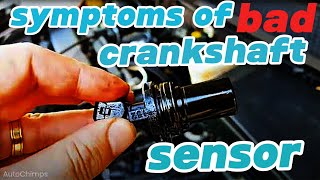
A failing crankshaft sensor doesn't always die at once. It often gives warning signs. Look out for these common symptoms in your Beretta:
- Engine Cranks but Won't Start: This is the most severe symptom. The computer doesn't see the crankshaft turning, so it won't send spark or fuel.
- Intermittent Stalling: The engine may run fine when cold but stall unexpectedly in traffic or at a stoplight once it heats up. It might restart after cooling down for a while.
- Rough Idle and Misfires: The engine may shake, vibrate, or sound uneven at idle because the computer is getting an erratic signal, causing incorrect spark timing.
- Poor Acceleration: Your car may feel sluggish or hesitate when you press the gas pedal.
- Check Engine Light: For 1996 and some 1995 models with OBD-II, a faulty sensor can trigger the Check Engine Light with code P0335. Older OBD-I models may not always set a specific, easy-to-read code for this failure.
Known Issues & Replacement Difficulty
While no specific recalls or TSBs exist for the Beretta's crankshaft sensor, owner forums highlight its potential for failure. The replacement difficulty varies greatly by engine. On the 3.1L V6, the sensor is located on the rear of the engine block and can be very difficult to access. It often becomes brittle from heat and can break during removal, sometimes forcing you to drop the oil pan to knock the broken piece out from the inside. This turns a simple sensor swap into a much more involved repair. Be prepared for this possibility if you have the V6 engine.
Choosing the Right Aftermarket Sensor
When it comes to electronic sensors, quality matters. A cheap, poorly made sensor can fail quickly, leaving you stranded again. Here’s a breakdown of brand quality based on general consensus from mechanics and DIY communities.
Tier 1: OEM Quality & Trusted Brands
- ACDelco: As the original equipment manufacturer for GM, this is the benchmark for quality and reliability. While sometimes pricier, it's the safest bet.
- Delphi: Delphi was a major supplier of electronics to GM. Their sensors are widely considered to be OEM-quality and a reliable alternative to ACDelco.
Tier 2: Reputable Aftermarket
- NGK/NTK: Known for high-quality ignition parts and sensors, NTK (the sensor division of NGK) is a trusted name.
- Standard Motor Products (Standard/SMP): A long-standing aftermarket manufacturer with a reputation for producing decent quality parts.
- Hitachi: A well-respected OEM supplier for many Japanese brands, they also produce quality aftermarket sensors for domestic vehicles.
A Note on Budget Brands
Brands like Dorman, store brands, and other lower-cost options have a mixed reputation for electronics. While some users have success, many professional technicians report higher out-of-the-box failure rates with budget sensors. Given the potential difficulty of replacing this sensor on a Beretta V6, saving a few dollars on the part might not be worth the risk of having to do the job twice.
Cost of Replacing a Beretta Crankshaft Sensor
The cost can be broken down into parts and labor. Labor costs can vary significantly based on which engine your Beretta has.
| Item | Estimated Cost |
|---|---|
| New Aftermarket Part | $18 - $135 |
| Shop Labor | $100 - $350+ |
| Total Estimated Cost | $118 - $485+ |
Note: Labor costs are an estimate. The cost for a V6 model will be on the higher end due to the difficult location and potential for complications.
Frequently Asked Questions
Can I drive my Beretta with a bad crankshaft sensor?
It is not recommended. If the sensor is failing intermittently, it could cause the engine to stall at any time, which is dangerous in traffic. If the sensor has failed completely, the car will not start at all, leaving you stranded.
Where is the crankshaft sensor located on my Beretta?
The location depends on your engine. On many V6 models, it is located on the rear (firewall side) of the engine block, near the transaxle. On 4-cylinder models, the location may vary. Always consult a repair manual for your specific engine to confirm the location before starting work.
Do I need a special tool to replace the crankshaft sensor?
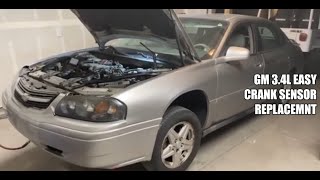
Usually, only basic hand tools like a socket set and screwdrivers are needed. However, due to the difficult location on the V6, you may need various extensions and swivels. If the sensor breaks during removal, you will need to drain the oil and remove the oil pan, which requires more tools and time.
Does the new sensor need to be programmed?
For the 1987-1996 Beretta, a crankshaft position sensor is a direct replacement part and does not require programming. Some newer GM vehicles may require a "CASE relearn" procedure with a scan tool, but this is generally not applicable to this generation of Beretta.
Helpful Videos
Technical Specifications
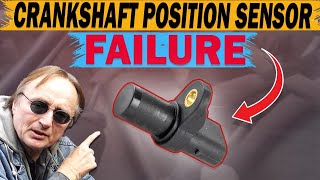
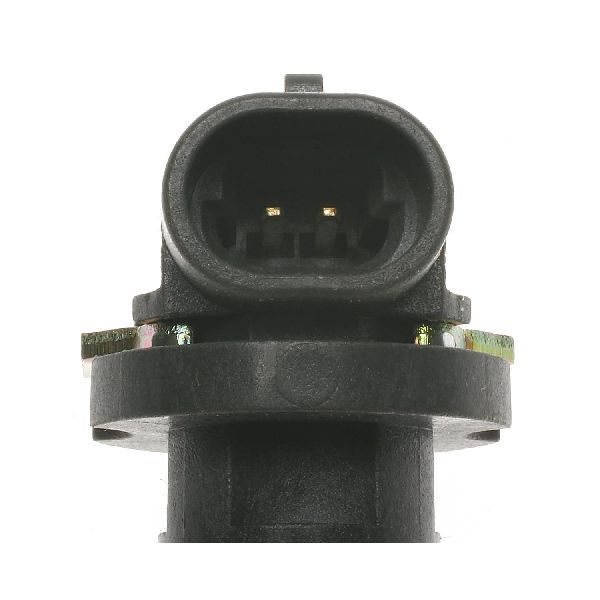
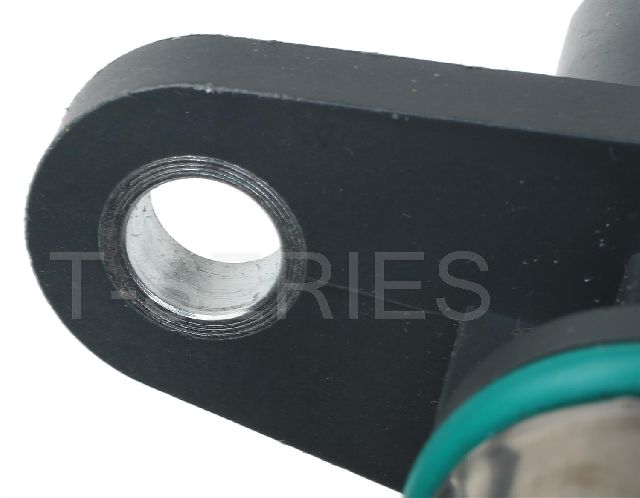
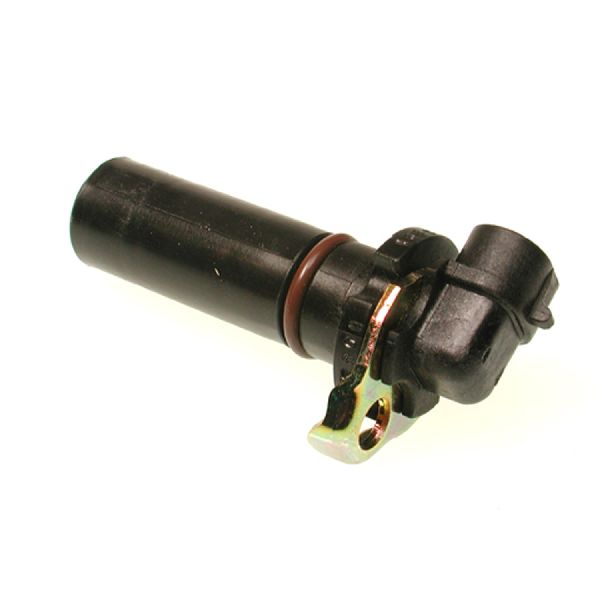
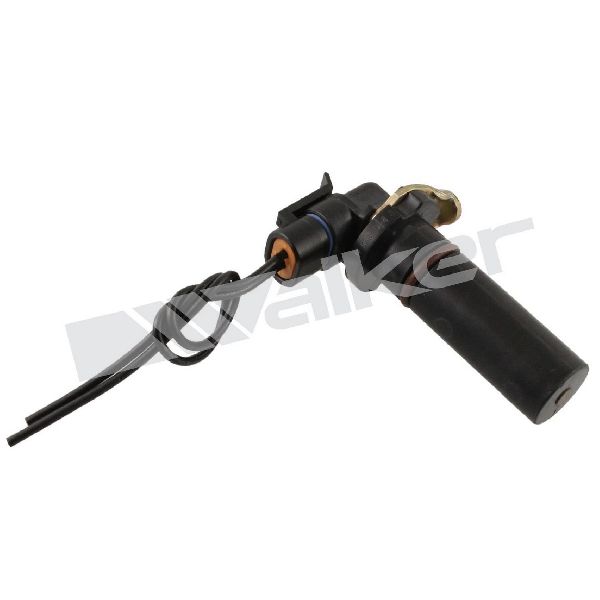
The sensor is typically a magnetic or Hall-effect type sensor that reads notches on the crankshaft or flywheel to determine engine speed and position. It uses a 2 or 3-wire electrical connector.
We Have This Part in Stock


The information in this article is provided for general reference and educational purposes only. Vehicle specifications, procedures, and part compatibility can vary by production date, trim level, and region. Always consult your vehicle's factory service manual and verify part numbers before purchasing or performing repairs. Safety-critical components such as airbags, seat belts, and braking systems should be installed by a qualified professional.
- Chevrolet Beretta:
- 🎬 Helpful Videos
- 🛍️ Shop This Part
- Is Your Beretta Stalling or Refusing to Start?
- Common Symptoms of a Bad Crankshaft Sensor
- Known Issues & Replacement Difficulty
- Choosing the Right Aftermarket Sensor
- Tier 1: OEM Quality & Trusted Brands
- Tier 2: Reputable Aftermarket
- A Note on Budget Brands
- Cost of Replacing a Beretta Crankshaft Sensor
- Frequently Asked Questions
- 🎟️ Get 5% Off