

Throttle Position Sensor (TPS) Guide for the 1987-1996 Dodge Dakota
Fix stalling, rough idle, and poor acceleration by understanding how to choose the right TPS for your first-generation Dakota.
- A failing TPS is a very common issue on first-generation Dakotas, causing stalling, hesitation, and poor performance.
- Replacement is a simple, 15-minute DIY job requiring only a T25 Torx driver.
- Aftermarket quality varies significantly; higher-tier brands like Standard Ignition or Delphi are recommended for long-term reliability over economy options.
- Always reset the computer by disconnecting the battery after installation to ensure the system learns the new sensor.
Understanding the Throttle Position Sensor on Your Dakota
If your 1987-1996 Dodge Dakota is hesitating, stalling when you come to a stop, or just not running right, a failing Throttle Position Sensor (TPS) is a common culprit. This sensor tells the engine's computer how much air is entering the engine based on how far the throttle is open. When the sensor wears out, it sends incorrect signals, leading to a host of driveability problems. Because these first-generation Dakotas use a relatively simple engine management system, they are particularly sensitive to a bad TPS signal.
Don't Ignore the Symptoms
While you can often still drive with a failing TPS, it can be unsafe. The truck may stall unexpectedly in traffic, fail to accelerate when you need to merge, or surge suddenly. It's best to address the issue as soon as symptoms appear.
Common Symptoms of a Bad TPS
- Stalling and Rough Idle: The engine may stall when you let off the gas or idle erratically.
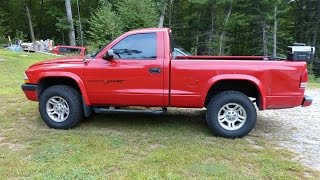
- Hesitation or Bucking: The truck may hesitate, buck, or stumble 🎬 Watch this video to see these bucking and stalling symptoms in action. when you try to accelerate.
- Poor Acceleration: You might experience a noticeable loss of power or a delayed throttle response.
- Automatic Transmission Problems: On automatic models, a bad TPS can cause harsh or incorrect shifting.
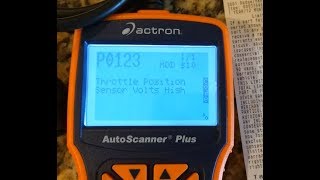
- Check Engine Light: A failing TPS can trigger the Check Engine Light, with codes like P0122 or P0123 🎬 See how to diagnose and replace the sensor on a Dakota. on later models.
Choosing the Right Aftermarket TPS
When it comes to electronic sensors on these trucks, not all aftermarket parts are created equal. While an OEM Mopar sensor is often considered the gold standard, several aftermarket brands offer a good balance of quality and value. They can generally be grouped into tiers.
| Brand Tier | Brands | General Assessment |
|---|---|---|
| Higher-Tier Aftermarket | Standard Ignition (SMP), Delphi, NGK/NTK | These brands are well-regarded in the industry. Standard Motor Products and Delphi are known for making parts that meet or exceed OE specifications. NGK (under their NTK brand) is also a trusted name in engine sensors. These are often the best choice for reliability without paying for the Mopar box. |
| Mid-Tier Aftermarket | Walker Products | Walker Products offers a wide range of sensors and aims for OE fit and function. They are a solid choice for a balance between price and quality, though some forum discussions suggest they may not have the same longevity as higher-tier brands or OEM. |
| Economy/Value Tier | Replacement, Global Parts, True Tech, Motorad | These brands focus on providing the most affordable option. While they can get your truck running, their long-term reliability can be a gamble. They may be a suitable short-term fix, but for a critical sensor like the TPS, spending a little more on a higher-tier brand is often recommended. |
Pro Tip: Installation and Reset
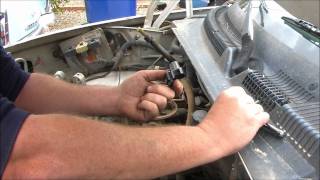
Replacing the TPS is a simple job for a DIY mechanic, usually requiring only a Torx screwdriver. 🎬 Watch this quick walkthrough of the TPS replacement process. After installing the new sensor, it's a good practice to reset the engine computer. You can do this by disconnecting the negative battery cable for about 15 minutes. Some sources also describe a specific pedal-press procedure to recalibrate the new sensor.
Frequently Asked Questions (FAQ)
Can I just clean my old TPS?
No. The TPS is a sealed electronic component. The part that fails is the internal electrical contact strip, which wears out over time. Cleaning the outside will not fix a failing sensor. Replacement is the only solution.
Is there a recall on the Dodge Dakota TPS?
There are no specific recalls or widespread Technical Service Bulletins (TSBs) from Dodge for the throttle position sensor on the 1987-1996 model years. The issues are typically due to normal wear and age.
Why did my new aftermarket TPS fail so quickly?
This is a common complaint, especially with economy-tier brands. The internal components may not be as durable as the original Mopar part. It's also possible the issue isn't the TPS itself, but a wiring problem or a bad ground, which are common on older trucks.
Do I need special tools to replace the TPS?
Typically, you only need a T25 Torx bit or screwdriver to remove the two screws holding the sensor to the throttle body. It's a very straightforward replacement.
Helpful Videos
Technical Specifications
OEM Part Numbers: 4882219 5234903
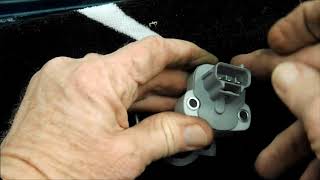
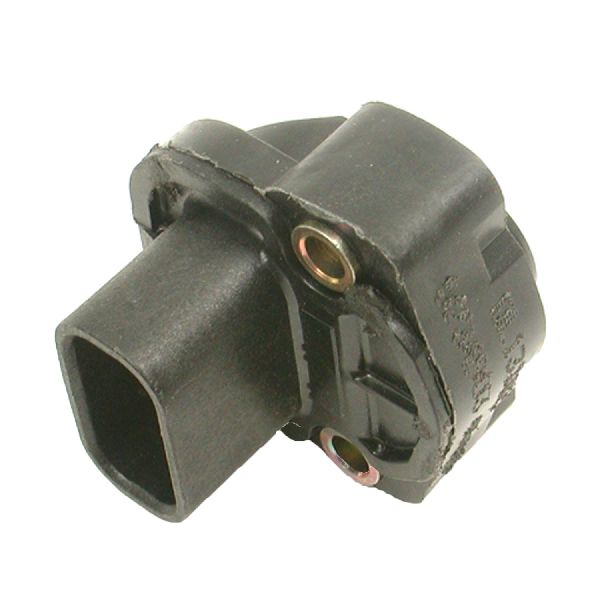
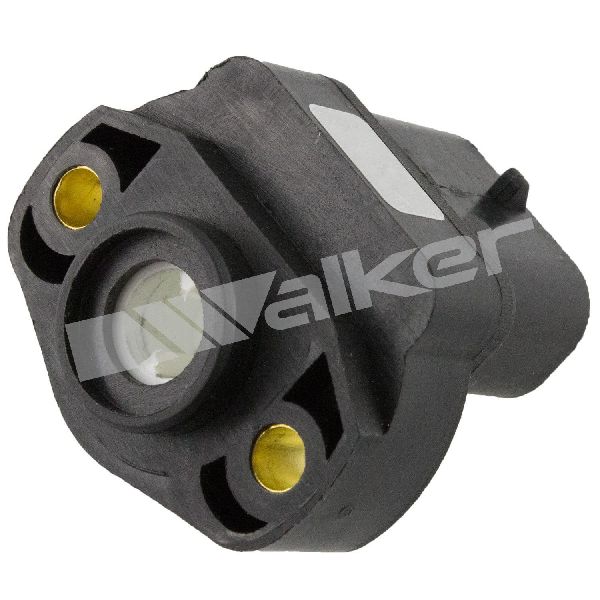
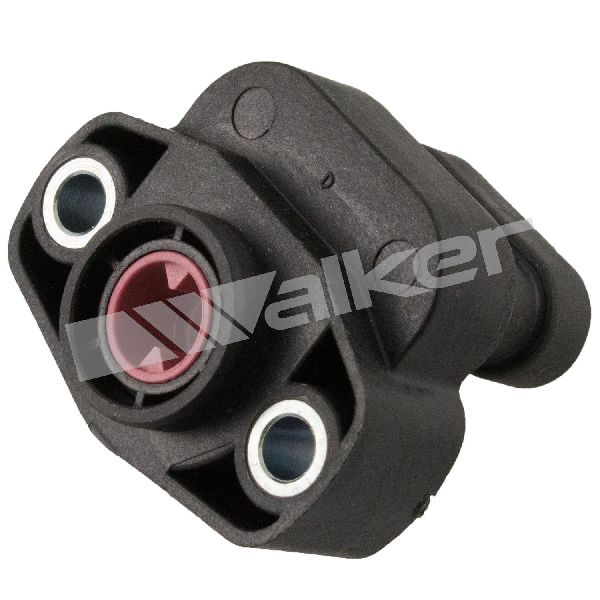
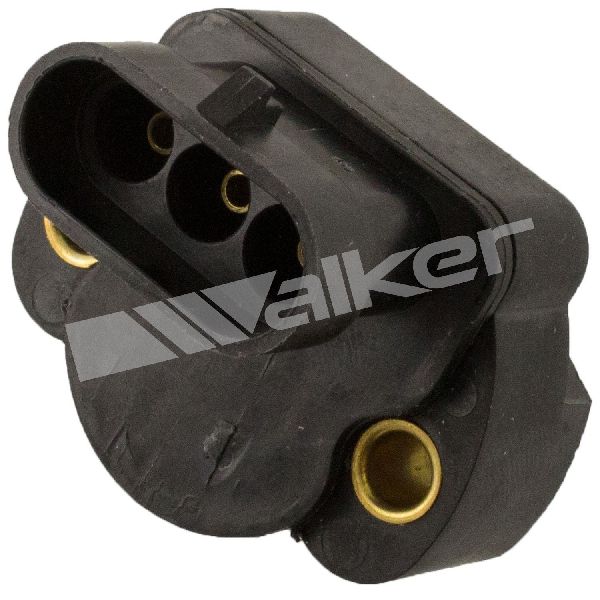
Typically a 3-pin electrical connector. The sensor is mounted to the side of the throttle body with two T25 Torx screws.
We Have This Part in Stock


The information in this article is provided for general reference and educational purposes only. Vehicle specifications, procedures, and part compatibility can vary by production date, trim level, and region. Always consult your vehicle's factory service manual and verify part numbers before purchasing or performing repairs. Safety-critical components such as airbags, seat belts, and braking systems should be installed by a qualified professional.
- Dodge Dakota: