

A Ford Owner's Guide to the 1987-1996 Bronco Starter Motor
Solve your starting problems by understanding the common failure points and choosing the right replacement starter.
- Always diagnose the fender-mounted starter relay and battery cables first; they are common failure points and cheaper to fix.
- A 'click-no-start' is usually the fender relay, while a 'whirring' sound is the starter motor itself.
- For a permanent solution to hot-start problems (heat soak), invest in a high-torque, gear-reduction starter from a brand like Powermaster or Ford Performance.
- Ensure all ground connections are clean and tight, especially the main cable from the battery to the engine block.
Is It Really Your Starter? The Bronco's Unique System
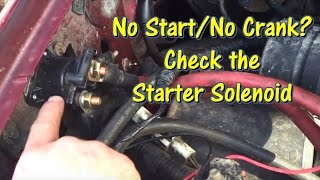
Before you spend money on a new starter, it's important to understand how the 1987-1996 Bronco starting system works. These trucks have two key parts: the starter motor itself, bolted to the engine, and a separate starter relay (often called a solenoid) mounted on the passenger-side fender. A 'click-no-start' issue is very often caused by a bad fender relay, corroded battery cables, or poor ground connections, not the starter motor itself.
Start with the Basics
Always check the simple things first:
- Battery: Is it fully charged? Are the terminals clean and tight?
- Cables: Inspect the positive and negative battery cables for corrosion or swelling. A bad ground cable from the battery to the engine block is a common culprit.
- Fender Relay: This is a common failure point and is much cheaper and easier to replace than the starter. If you hear a single, loud click from the fender when you turn the key, the relay is likely the problem. 🎬 Watch: How to troubleshoot a Ford starter relay
Symptoms of a Failing Starter Motor
If you've ruled out the battery and relay, your starter motor itself may be failing. Common symptoms include:
- Grinding Noise: A harsh grinding sound when you try to start the engine suggests the starter gear is not meshing correctly with the flywheel, or the teeth are damaged. This can damage the flywheel if ignored.
- Whirring or Spinning Sound: If you hear the starter motor spin but the engine doesn't crank, the starter's internal gear is not extending to engage the flywheel.
- Slow Cranking: If the engine turns over very slowly, like it's struggling, the starter motor may be worn out and drawing too much power. This can also be a sign of a weak battery or bad cables.
- Heat Soak Issues: A classic Ford truck problem where the starter works fine when cold, but struggles or fails to crank the engine when hot. This is caused by heat from the exhaust manifold increasing electrical resistance in the starter.
- Intermittent Starting: The truck starts fine one day but not the next. This can be caused by worn spots on the starter's internal components.
Choosing Your Aftermarket Starter: Brand Tiers
When it's time to buy, you'll find a wide range of options. They generally fall into three categories.
| Tier | Brands | Description |
|---|---|---|
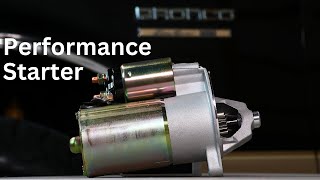
| Premium / High-Torque | Ford Performance, Powermaster, MSD | These are typically modern, gear-reduction starters. They are smaller, lighter, and more powerful than the original, making them excellent for solving heat-soak problems. They provide faster cranking speeds and are the best choice for modified engines or for owners who want a permanent fix for hot-start issues. | 🎬 See how to upgrade to a high-torque starter
| Standard Replacement | ACDelco, Proform, MPA | These brands offer direct-fit replacements that function like the original part. They are a good middle-ground option for a stock vehicle. While ACDelco is a reputable brand, some forum users have reported mixed results with their remanufactured units for Ford trucks. |
| Economy | Mr Gasket, various store brands | These are the most affordable options, often remanufactured. While they can get you back on the road, their long-term reliability can be questionable. Some owners report going through several economy starters. |
Frequently Asked Questions (FAQ)
Do I need a high-torque mini-starter?
If your Bronco is stock and you don't have hot-start problems, a standard replacement is usually fine. However, if you have headers, a modified engine, or frequently experience heat soak, a high-torque starter from a brand like Powermaster or Ford Performance is a worthwhile upgrade that solves the problem.
What's the difference between the starter and the solenoid?
On your 1987-1996 Bronco, there are two. The main 'solenoid' is actually a relay on the passenger fender that acts as a heavy-duty switch. The starter motor itself also has a small, integrated solenoid whose job is to push the starter gear forward to engage the flywheel. When people talk about replacing the 'solenoid' for a 'click-no-start' issue, they usually mean the one on the fender.
Will a new starter fix my 'click-no-start' problem?
Maybe, but it's often not the root cause. A single, loud click usually points to the fender-mounted relay or bad connections. A rapid clicking sound often means a dead or weak battery. Always diagnose the full starting circuit before replacing the starter motor itself.
Is it hard to replace the starter on my Bronco?
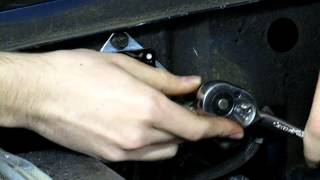
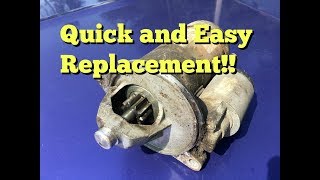
No, it's generally considered an easy job for a DIY mechanic. It requires basic hand tools, disconnecting the battery, and safely raising the vehicle. The starter is held on by two bolts and is easy to access. 🎬 Watch this step-by-step starter motor replacement guide The fender relay is even easier, held by two small screws on the fender.
Are there any recalls for the starter on my Bronco?
No specific recalls or Technical Service Bulletins (TSBs) were issued for the starter motor on the 1987-1996 Ford Bronco. Any starting issues are typically due to age-related wear on components like the relay, cables, or the starter itself.
Helpful Videos
Technical Specifications
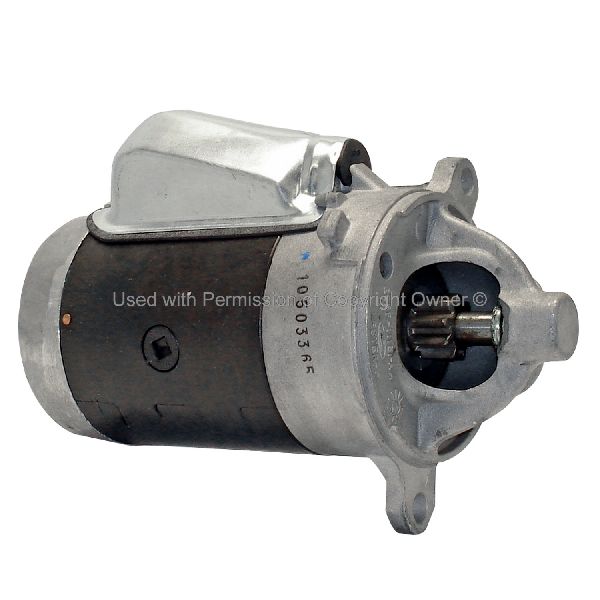
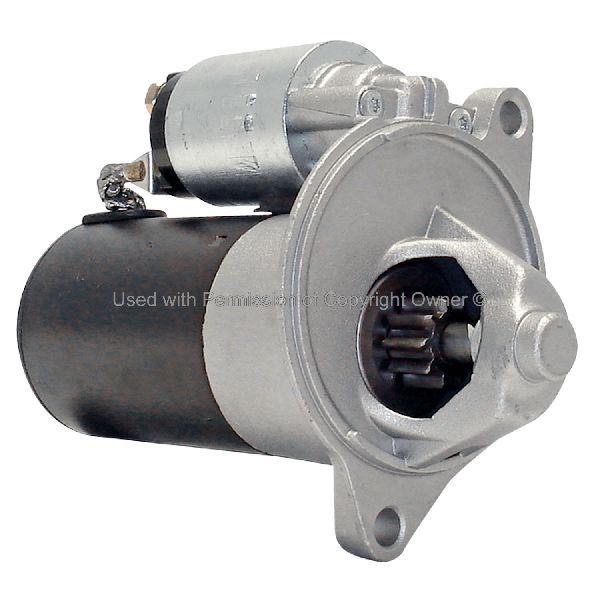
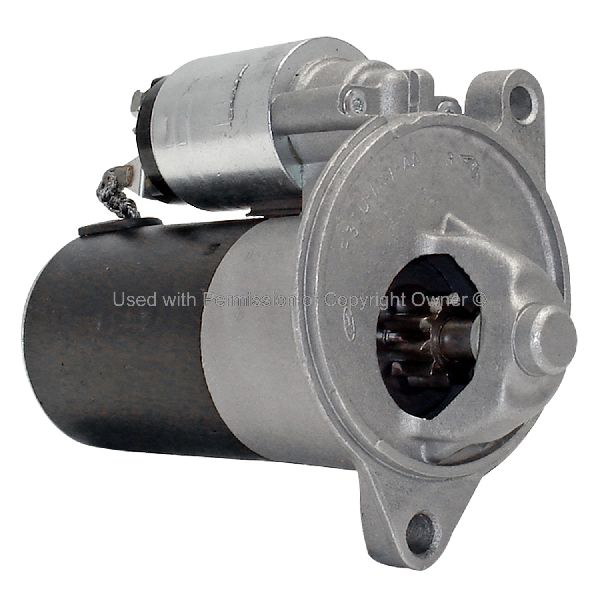
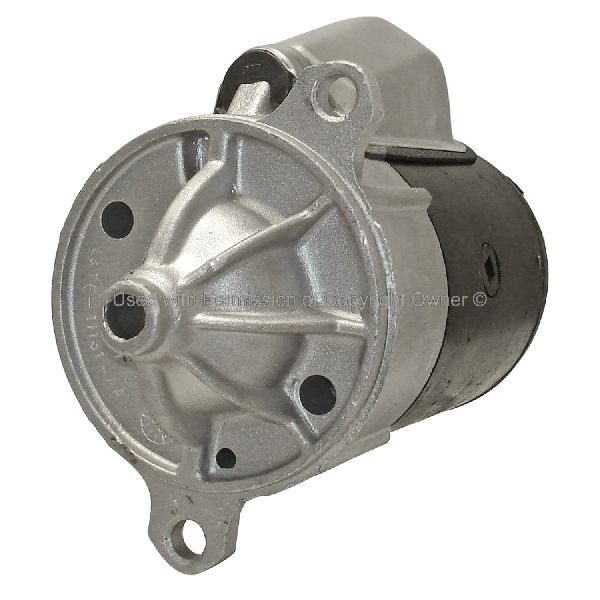
OEM Part Numbers: F2TU-11000-AA F2TZ-11002-A F7PU-11000-FA F7PZ-11002-FA SA-793 SA-798
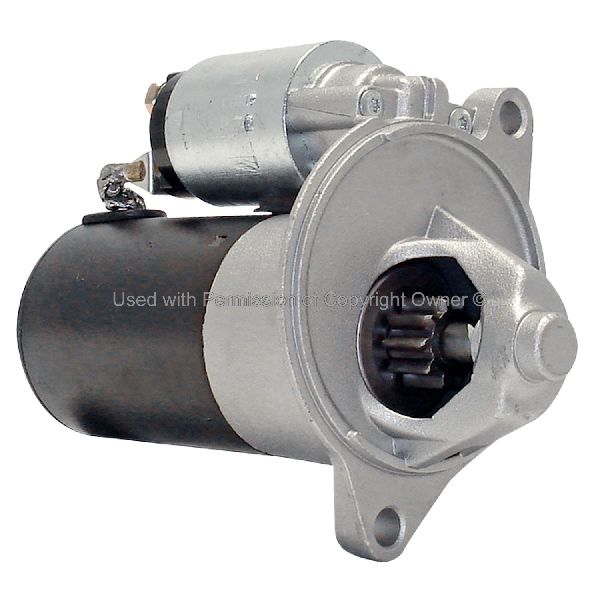
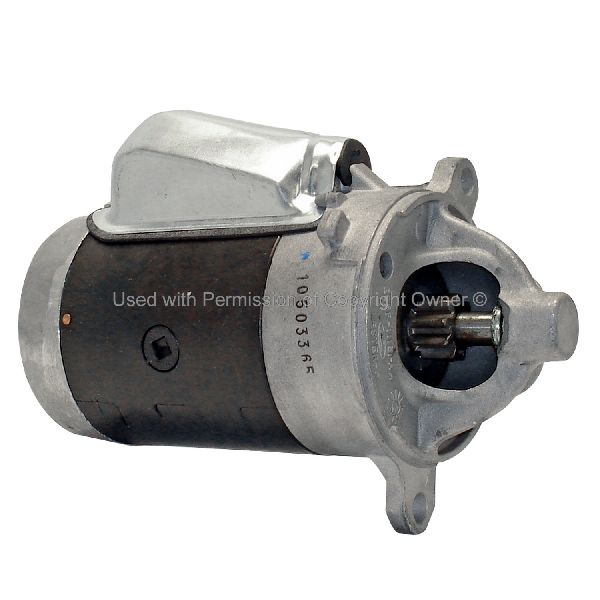
System uses a fender-mounted starter relay in conjunction with the starter motor. Starters are available for both manual and automatic transmissions, which are not always interchangeable. Later models may use a Permanent Magnet Gear Reduction (PMGR) style starter, which is smaller and more efficient.
We Have This Part in Stock

The information in this article is provided for general reference and educational purposes only. Vehicle specifications, procedures, and part compatibility can vary by production date, trim level, and region. Always consult your vehicle's factory service manual and verify part numbers before purchasing or performing repairs. Safety-critical components such as airbags, seat belts, and braking systems should be installed by a qualified professional.
- Ford Bronco: