

Ford F-150 Rear ABS & Speed Sensor Guide (1987-1996)
Fix your ABS light, erratic speedometer, and hard shifting by replacing the single sensor on your rear differential.
- The 1987-1996 F-150 uses a single ABS sensor located on the top of the rear differential.
- A failing sensor will cause an ABS light, erratic speedometer, and poor transmission shifting.
- Replacement is very easy for a DIYer, typically taking less than 30 minutes with basic tools.
- Aftermarket brands offer a reliable and cost-effective solution compared to expensive OEM parts for this specific sensor.
Understanding Your F-150's Rear ABS System
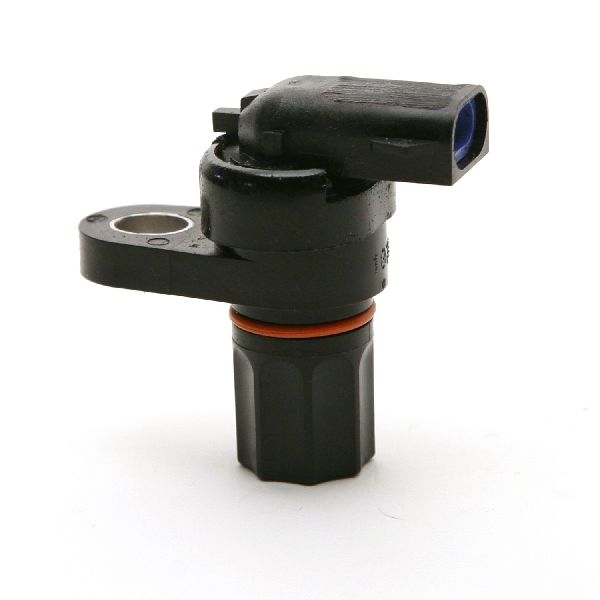
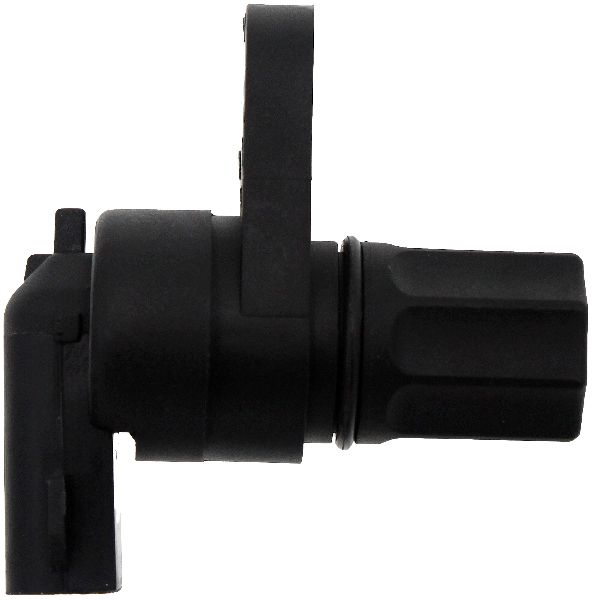
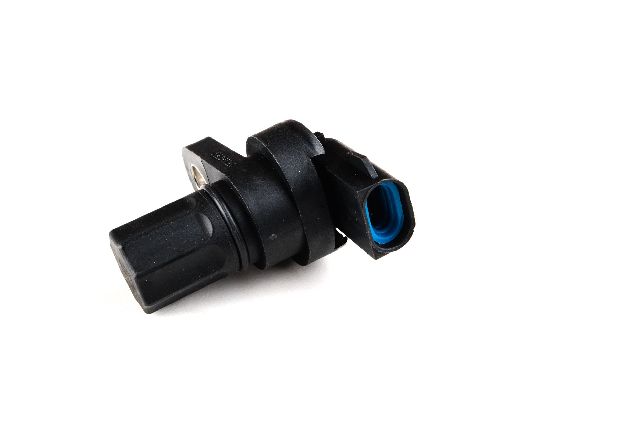
If you own a 1987-1996 Ford F-150, your truck doesn't have a complex four-wheel ABS system like modern vehicles. It uses a simpler, more rugged system called Rear-Wheel Anti-lock (RWAL). This system uses a single ABS Wheel Speed Sensor mounted on top of the rear differential. This one sensor is responsible for detecting when the rear wheels are about to lock up during hard braking. It also provides the speed signal for your speedometer and transmission, making it a critical part.
Symptoms of a Failing Rear ABS Sensor
When this sensor starts to fail, it can cause a few distinct problems. The most obvious is the ABS warning light illuminating on your dashboard. You might also notice your speedometer behaving erratically—bouncing around, not working at all, or reading incorrectly. 🎬 Watch: Fixing a bouncing speedometer and ABS light on a 1992 F-150. Because the transmission computer uses this sensor's data, a bad sensor can also lead to harsh, delayed, or improper automatic transmission shifting. In some cases, the red 'Brake' light may also come on.
A Common Point of Failure
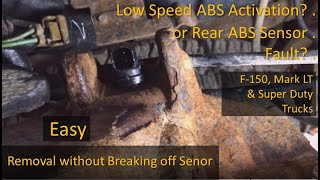
Due to its location on the rear axle, this sensor is exposed to heat, dirt, and moisture. The internal magnet can weaken over time, or the plastic housing can become brittle and crack. It's one of the most common electronic failures 🎬 See this guide for troubleshooting and replacing your rear axle sensor. on this generation of F-150.
Choosing the Right Aftermarket ABS Sensor
For a vehicle of this age, an aftermarket sensor provides excellent value. The technology is simple, and aftermarket brands offer reliable quality for a fraction of the OEM price. Here’s a breakdown of the available brands:
- Premium Aftermarket (Delphi, NGK): Brands like Delphi and NGK (NTK) are often considered OEM-equivalent in quality. They have a strong reputation for producing reliable sensors that fit and function correctly right out of the box. If you want the highest quality and longest service life from an aftermarket part, these are excellent choices.
- Reputable Aftermarket (Dorman, Standard Ignition): Dorman and Standard Ignition (SMP) are well-known names in the auto parts world. They offer a good balance of quality and affordability. These parts are widely available and are a solid choice for a dependable repair without paying a premium.
- Value-Focused (Holstein): For a budget-conscious repair, brands like Holstein offer a functional replacement that will get the job done. While they may not have the same brand recognition as others, they provide a cost-effective solution to restore your truck's ABS and speedometer function.
Cost of Replacing the Rear ABS Sensor
| Part Type | Price Range |
|---|---|
| New Aftermarket Sensor | $22.18 - $38.40 |
| New OEM (Dealer) Sensor | $70 - $120 |
| Shop Labor | $50 - $100 |
Pro Tip: Easy Installation
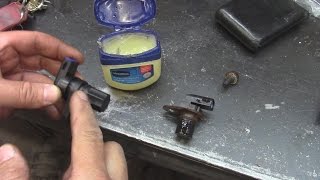
Replacement is very simple. The sensor is held in by a single 10mm bolt. The main challenge can be the old sensor seizing in the differential housing. Spray the base with penetrating oil and let it soak before gently prying it out. When installing the new sensor, clean the mounting hole thoroughly and apply a thin layer of grease to the new O-ring to ensure a good seal and make future replacement easier.
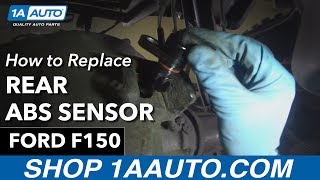
🎬 Watch: A step-by-step walkthrough of the rear ABS sensor replacement.Frequently Asked Questions (FAQ)
Why is there only one ABS sensor for the whole truck?
The 1987-1996 F-150 uses a Rear-Wheel Anti-lock (RWAL) system, which was common for trucks of this era. It only monitors and modulates brake pressure for the rear wheels as a pair, so it only requires one sensor to read the speed of the rear axle.
Can a bad ABS sensor really affect my transmission?
Yes. The powertrain control module (PCM) needs to know how fast the vehicle is moving to time gear shifts correctly. On these trucks, the rear ABS sensor provides that speed signal. If the signal is erratic or missing, the transmission can shift hard, late, or at the wrong times.
Is it difficult to replace this sensor myself?
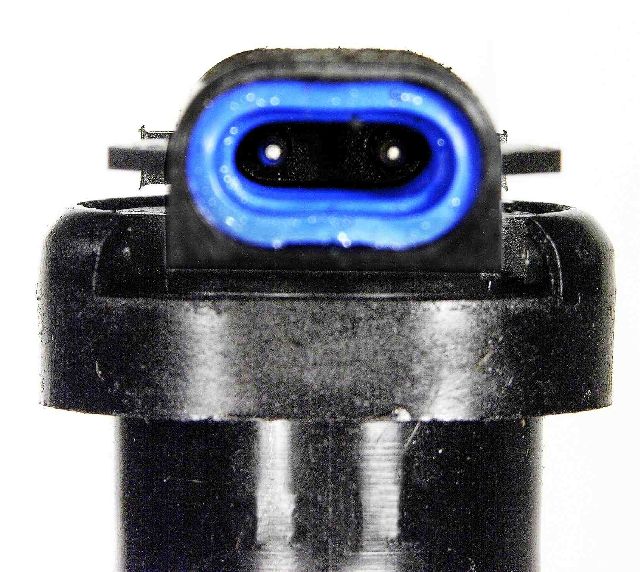
No, this is a great DIY job for beginners. It requires only basic hand tools. You simply unplug the connector, remove one bolt, and pull the old sensor out. The only potential issue is if the old sensor is stuck, which may require some patience and penetrating fluid to remove.
Do I need to clear a code after replacing the sensor?
Typically, no. Once the new sensor is installed and providing a correct signal, the ABS light and any related symptoms should go away on their own after a short drive. If the light stays on, there may be another issue with the wiring or the ABS module itself.
Helpful Videos
Technical Specifications
OEM Part Numbers: F37Z9E731A E7TZ9E731A F4TZ9E731A DY1123
Location: Rear Differential Housing. System Type: Rear-Wheel Anti-lock (RWAL). Quantity Required: 1.
We Have This Part in Stock


The information in this article is provided for general reference and educational purposes only. Vehicle specifications, procedures, and part compatibility can vary by production date, trim level, and region. Always consult your vehicle's factory service manual and verify part numbers before purchasing or performing repairs. Safety-critical components such as airbags, seat belts, and braking systems should be installed by a qualified professional.
- Ford F-150: