

Ford Mustang 5.0L Engine Intake Manifold Gasket Guide (1987-1996)
Leaking coolant or a rough idle on your Fox Body or SN95 Mustang could point to a bad intake manifold gasket.
- Symptoms often include coolant leaks, overheating, and a rough idle due to vacuum leaks.
- Aftermarket gaskets from brands like Fel-Pro are often considered an upgrade over the original design.
- Using RTV sealant on the front and rear 'china walls' is a common and recommended practice for a better seal.
- Properly cleaning the mating surfaces and following the correct bolt torque sequence are critical for a leak-free repair.
Is Your Mustang's Intake Gasket Failing?
A failing intake manifold gasket is a common issue on the 5.0L pushrod V8 engines found in 1987-1995 Mustangs. These leaks can cause a range of problems, from annoying idling issues to serious engine damage if ignored. The most common failures are vacuum leaks from brittle gaskets and coolant leaks at the corners of the lower intake manifold.
Symptoms of a Bad Intake Manifold Gasket:
- Engine Overheating: Coolant leaking from the gasket can lead to low coolant levels and cause the engine to run hot.
- Rough Idle or Stalling: A vacuum leak allows extra, unmetered air into the engine, which disrupts the air-fuel ratio and can cause a rough, shaky idle or even stalling.
- Coolant Leaks: You might see puddles of green or yellow coolant under the front of the engine. Leaks often occur at the four corners where the intake manifold meets the cylinder heads.
- Milky Engine Oil: A severe internal leak can allow coolant to mix with your engine oil. This creates a milky, frothy substance under the oil cap and on the dipstick, and it requires immediate attention to prevent catastrophic engine damage.
- Poor Performance and Fuel Economy: A vacuum leak makes the engine run lean (too much air), which can lead to hesitation, reduced power, and worse gas mileage.
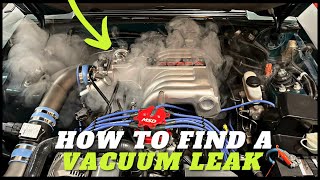
- Hissing Sounds: A significant vacuum leak can sometimes be heard as a hissing or sucking noise coming from the engine bay while the car is running. 🎬 Watch: How to find and test for vacuum leaks at home
Known Issues for 1987-1996 Mustangs
The original factory gaskets on the 5.0L V8 often used cork or rubber seals for the front and rear "china walls" of the engine block. These are a frequent failure point. Many mechanics and aftermarket kits recommend replacing these end seals with a thick bead of RTV sealant for a more durable, leak-proof seal. Additionally, no recalls or specific Technical Service Bulletins (TSBs) were found for intake manifold gaskets on this generation of Mustang during our search.
Choosing the Right Aftermarket Gasket Set
For this repair, aftermarket gaskets are often considered an upgrade over the original factory parts. Brands have improved materials and designs over the years. Your choice depends on your budget and how you use your Mustang.
Brand Quality Tiers
- Top Tier (Performance & Heavy Duty): Fel-Pro and Ford Performance (Ford Racing) are highly trusted brands for this application. Fel-Pro often improves on the original design, using materials like their Printoseal elastomeric beads for better sealing around ports. These are excellent choices for stock, modified, and even performance-built engines.
- Mid Tier (Performance Focused): Brands like Edelbrock, Holley, and Mr. Gasket offer quality gaskets, often designed to work with their own performance intake manifolds but typically compatible with stock parts. They are a solid choice, especially if you are upgrading other engine components.
- Standard Replacement: Brands like Dorman and Victor Reinz offer reliable, budget-friendly replacement gaskets that meet OEM specifications. They are a good option for a daily driver or a stock restoration where cost is a primary factor.
Pro Tip: Get a Complete Kit
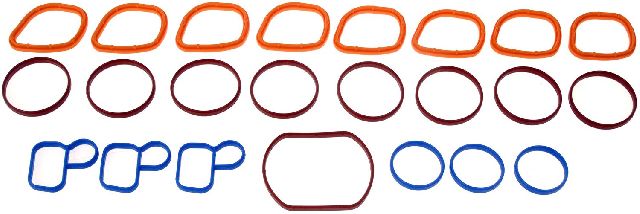
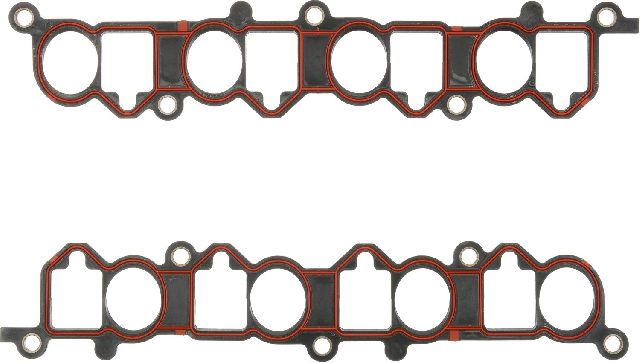
Ensure the kit you buy includes all necessary components. A complete set for a 5.0L engine should include the lower intake-to-head gaskets, the upper-to-lower plenum gasket, and often an EGR gasket. Some kits may not include the end seals, expecting you to use RTV sealant instead.
Cost of Replacing the Intake Manifold Gasket Set
| Part Type | Estimated Cost |
|---|---|
| New Aftermarket Gasket Set | $32 - $85 |
| Shop Labor | $183 - $269 |
| Total Professional Repair | $542 - $628 |
Frequently Asked Questions
Is it hard to replace the intake manifold gasket on a 5.0 Mustang?
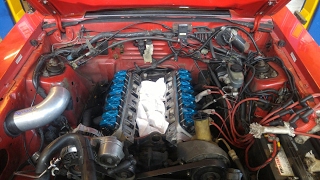
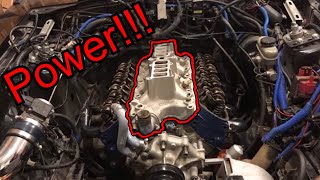
This is considered an advanced DIY job. It requires draining the coolant, removing the upper and lower intake manifolds, and carefully cleaning the gasket surfaces. 🎬 See this walkthrough on removing the intake manifold You will also need a torque wrench to tighten the manifold bolts in the correct sequence to prevent leaks. The most time-consuming part is cleaning the old gasket material off the engine block and heads.
Should I use sealant on the new gaskets?
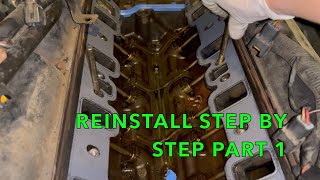
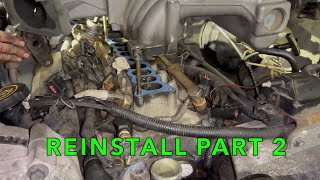
Most mechanics recommend a bead of RTV sealant on the front and rear "china walls" instead of using cork or rubber end gaskets. It's also common practice to put a small dab of RTV in the four corners where the cylinder heads meet the engine block to prevent coolant leaks. 🎬 Watch: Step-by-step guide to reinstalling the lower intake manifold However, do not apply sealant around the intake ports unless the gasket manufacturer specifically instructs you to.
What's the difference between an upper and lower intake gasket?
The 5.0L engine has a two-piece intake manifold. The lower intake manifold bolts to the cylinder heads, and its gaskets seal coolant and air passages. The upper intake manifold (or plenum) bolts to the lower manifold and only seals air. The gasket between them is typically a single, flat gasket.
Can I reuse my old intake manifold bolts?
It is generally recommended to use new bolts, especially if the old ones are rusty or show signs of stretching. Aftermarket bolt kits are readily available. If you reuse the old bolts, make sure to clean the threads and apply oil to them before torquing them down to get an accurate reading.
Helpful Videos
Technical Specifications
OEM Part Numbers: M-9439-A50
Set includes lower intake manifold to cylinder head gaskets and upper to lower plenum gasket. Materials vary by brand, including composite with steel core and Printoseal beads.
We Have This Part in Stock


The information in this article is provided for general reference and educational purposes only. Vehicle specifications, procedures, and part compatibility can vary by production date, trim level, and region. Always consult your vehicle's factory service manual and verify part numbers before purchasing or performing repairs. Safety-critical components such as airbags, seat belts, and braking systems should be installed by a qualified professional.
- Ford Mustang:
- 🎬 Helpful Videos
- 🛍️ Shop This Part
- Is Your Mustang's Intake Gasket Failing?
- Symptoms of a Bad Intake Manifold Gasket:
- Known Issues for 1987-1996 Mustangs
- Choosing the Right Aftermarket Gasket Set
- Brand Quality Tiers
- Pro Tip: Get a Complete Kit
- Cost of Replacing the Intake Manifold Gasket Set
- Frequently Asked Questions
- 🎟️ Get 5% Off