

Ford Mustang Universal Joint Guide for 1987-1996 Models
Everything you need to know about replacing the U-joints on your Fox Body or SN95 Mustang.
- Your Mustang has two U-joints; it's best practice to replace both at the same time.
- A clunking noise when shifting into gear or a vibration at speed are urgent signs of failure.
- For reliability and strength, choose a non-greasable U-joint from a top-tier brand like Dana/Spicer or Moog.
- Verify the correct U-joint size (e.g., 1310 vs. 1330 series) for your specific Mustang's transmission and year before ordering.
Is Your Mustang's U-Joint Failing?
A failing U-joint is not something to ignore. The symptoms usually start small but can lead to a major failure where the driveshaft separates from the car. This can cause significant damage. Listen and feel for these common warning signs:
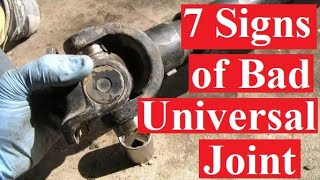
🎬 Watch: 7 signs of a bad universal joint- Clunking Noise: A distinct "clunk" or ringing sound when you shift from park into drive or reverse is a classic sign of a worn U-joint with too much play. You might also hear it when you get on or off the gas.
- Vibrations: A vibration you can feel through the floor of the car, especially at highway speeds, often points to a bad U-joint. Because the driveshaft spins much faster than the wheels, this vibration has a higher frequency than an unbalanced tire.
- Squeaking or Chirping: A rhythmic squeak that gets faster as you speed up is often the sound of dry, worn-out needle bearings inside the U-joint.
Driveshaft Failure is a Critical Safety Risk
If a U-joint breaks completely while driving, the driveshaft can fall, dig into the pavement, and cause you to lose control. It can also severely damage your transmission, exhaust, and the floor of your car. Address U-joint symptoms immediately.
Choosing the Right Aftermarket U-Joint
For 1987-1996 Mustangs, the original factory U-joints were non-greasable and of decent quality. However, after decades of use, they are often due for replacement. Aftermarket options are plentiful and often exceed original quality. Here’s how to choose:
Brand Tiers
Not all brands are created equal. Based on owner feedback and mechanic experience, U-joints for this Mustang generation fall into a few tiers:
- Top Tier (Heavy Duty/Performance): Dana/Spicer and Moog are consistently recommended by Mustang owners and mechanics. Spicer is often considered the original equipment manufacturer (OEM) supplier for many parts and is trusted for its durability. Moog's "Super Strength" line is also a top choice, engineered for higher torque and horsepower. These are ideal for performance-modified cars or for owners who want maximum longevity.
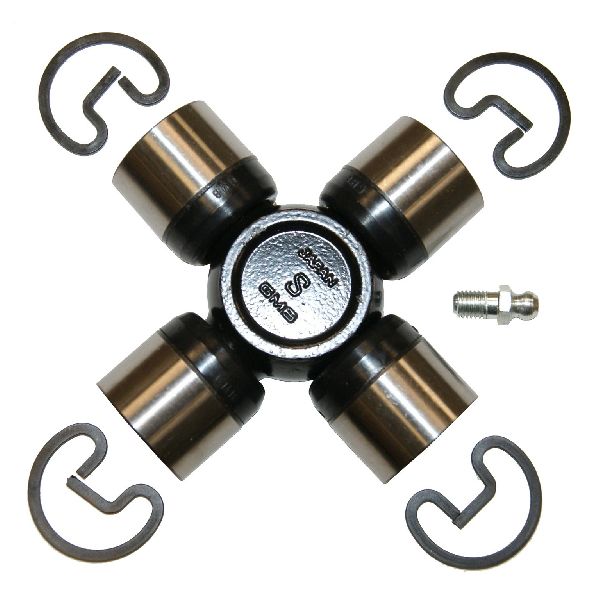
- OEM Quality: Brands like SKF, ACDelco, and GMB offer reliable, standard-replacement quality U-joints. They are a solid choice for a daily driven or stock Mustang and provide a good balance of price and performance.
- Value Tier: Other brands may offer lower prices, but quality can be inconsistent. For a critical part like a U-joint, investing in a reputable brand from the top or OEM-quality tier is highly recommended to avoid premature failure.
Greasable vs. Non-Greasable
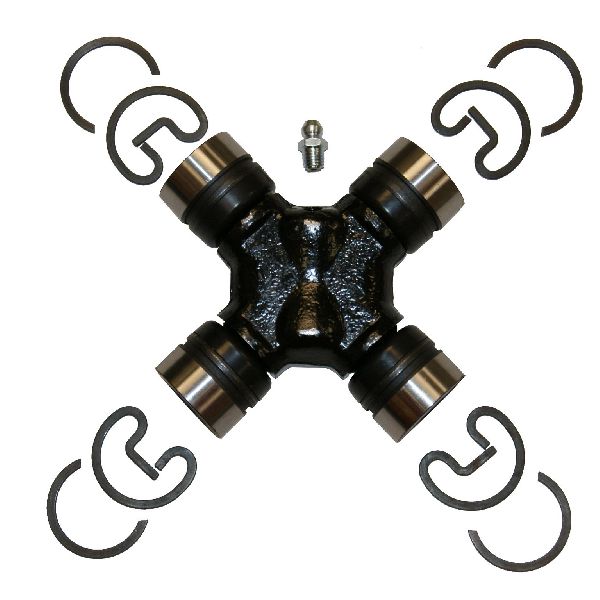
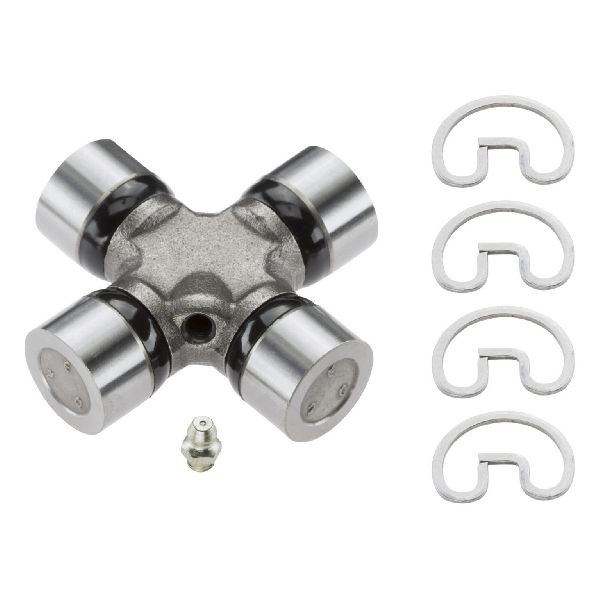
You'll see two main types of U-joints: greasable (with a zerk fitting) and non-greasable (sealed). Non-greasable joints are technically stronger because the cross is solid steel, without a channel drilled through it for grease. Greasable joints can last longer, but only if they are regularly maintained. For most Mustang owners, a high-quality, non-greasable U-joint from a brand like Spicer or Moog is a great "fit-it-and-forget-it" option that is stronger than a comparable greasable version.
Pro Tip: Replace in Pairs
Your Mustang has two U-joints. If one has failed due to age and mileage, the other is likely not far behind. It is highly recommended to replace both U-joints at the same time. This saves you from having to do the job twice and ensures the entire driveshaft is reliable.
🎬 See this Mustang GT U-joint replacement walkthroughCommon Ordering Mistakes
Ford used different U-joint sizes during this period, primarily the 1310 and 1330 series. The correct size can depend on your year, engine, and whether you have a manual or automatic transmission. Manual transmission cars, especially V8 models, often used the larger, more robust 1330 series U-joints. Always verify the fitment for your specific vehicle. If you have a modified drivetrain, you may need a "hybrid" U-joint to connect mismatched components.
Frequently Asked Questions
How many U-joints does a 1987-1996 Mustang have?
All 1987-1996 Ford Mustangs have two universal joints on the main driveshaft: one at the transmission end (front) and one at the rear axle end (rear).
Should I choose a greasable or non-greasable U-joint?
For most owners, a high-quality non-greasable (sealed) U-joint is the best choice. It is stronger because the main body isn't drilled for a grease channel and requires no maintenance. Greasable joints only offer a longevity advantage if you commit to greasing them regularly, which most people forget to do.
Is it difficult to replace Mustang U-joints myself?
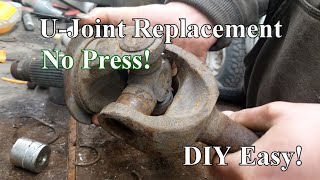
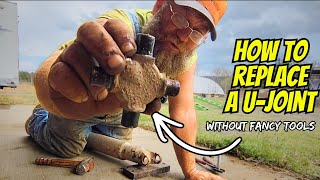
Replacing U-joints is a moderately difficult job for a DIY mechanic. It requires removing the driveshaft. The old U-joints must be pressed or hammered out of the driveshaft yokes, which can be difficult without the right tools like a heavy-duty vise, a ball joint press, or a hammer and sockets. 🎬 Watch: How to replace a U-joint without fancy tools Care must be taken not to damage the driveshaft or the new U-joint's needle bearings.
Were there any recalls for U-joints on the 1987-1996 Mustang?
Searches of the NHTSA database did not show any specific recalls or technical service bulletins (TSBs) for universal joints on the 1987-1996 Ford Mustang. Any failures are typically due to normal wear and tear over time.
Helpful Videos
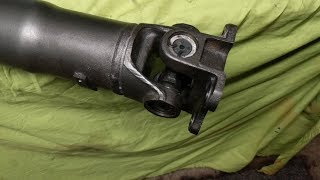
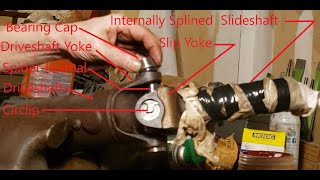
Technical Specifications
OEM Part Numbers: F5TZ-4635-A F2AZ-4635-C F2AZ-4635-A
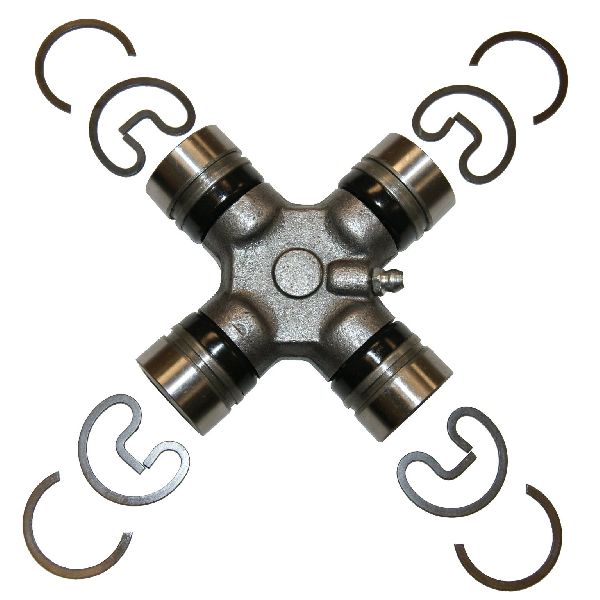
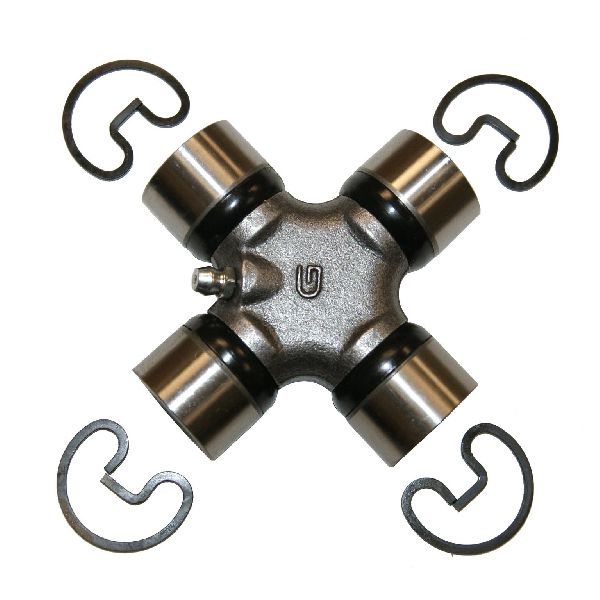
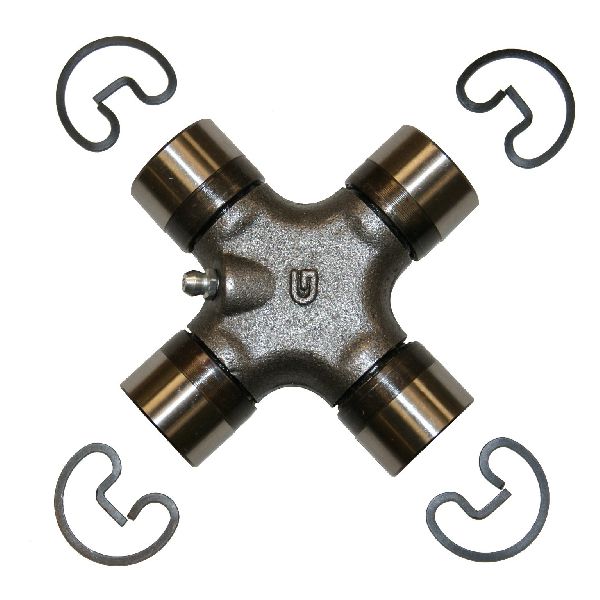
Common U-joint series for this generation are the 1310 and 1330. These use outside snap rings for retention. The primary difference is size and strength, with the 1330 series being larger and more robust, often found on V8 models with manual transmissions. Always confirm measurements or part numbers for your specific application.
We Have This Part in Stock

The information in this article is provided for general reference and educational purposes only. Vehicle specifications, procedures, and part compatibility can vary by production date, trim level, and region. Always consult your vehicle's factory service manual and verify part numbers before purchasing or performing repairs. Safety-critical components such as airbags, seat belts, and braking systems should be installed by a qualified professional.
- Ford Mustang: